Are your bleeding gums and sensitive teeth trying to tell you something?
You meticulously brush and floss, perhaps even rinse with mouthwash, yet those persistent bleeding gums, recurring canker sores, or unexplained tooth sensitivity continue to plague you. It's easy to blame genetics or simply 'bad luck,' but what if the root cause lies in something as fundamental as a simple nutritional deficiency?
For decades, dental health has been primarily associated with brushing habits and sugar intake. While these factors are undeniably important, modern research increasingly points to a deeper connection between our systemic health and our oral well-being. At the heart of this intricate relationship often lies a crucial nutrient: Vitamin C. This powerhouse vitamin is not just for warding off colds; it is a foundational pillar of oral health, and its deficiency can silently undermine the very structures that hold your smile together.
Vitamin C: The Unsung Hero of Your Smile
Before diving into the detrimental effects of its absence, let's establish why Vitamin C is so indispensable for your oral cavity. Often overshadowed by calcium and fluoride in dental discussions, Vitamin C (ascorbic acid) is a water-soluble vitamin that our bodies cannot produce or store in significant amounts. This means we need a continuous supply through our diet or supplementation.
Its primary role in oral health revolves around its critical involvement in collagen synthesis. Collagen is the most abundant protein in the body, forming the fundamental structural component of connective tissues, including those in your gums, teeth, and jawbone. Imagine your gums as a sturdy foundation supporting your teeth; collagen is the steel rebar within that foundation. Without adequate Vitamin C, this rebar weakens, leading to a compromised structure that is prone to damage and disease.
Beyond collagen, Vitamin C is a potent antioxidant. Our mouths are constantly exposed to bacteria, food particles, and environmental toxins, all of which can generate harmful free radicals. These free radicals contribute to oxidative stress, leading to inflammation and cellular damage in oral tissues. Vitamin C neutralizes these free radicals, protecting your cells and reducing inflammation, which is a hallmark of gum disease. This protective mechanism is vital for maintaining the integrity of the delicate tissues surrounding your teeth.
Furthermore, Vitamin C plays a crucial role in supporting the immune system. A robust immune response is essential for fighting off oral pathogens that cause infections like gingivitis and periodontitis. When Vitamin C levels are low, your immune system's ability to defend against these bacterial invaders is severely hampered, making you more susceptible to chronic inflammation and infection. It also aids in the absorption of iron, another nutrient vital for overall health and energy, indirectly contributing to the vitality of oral tissues.
In essence, Vitamin C is not merely a vitamin; it's a fundamental building block and protective agent for your entire oral ecosystem. Its presence ensures strong gums, resilient bone structure, efficient wound healing, and a vigilant immune defense, all working in harmony to preserve your beautiful smile.
💡 Key Takeaway
Vitamin C is crucial for oral health, primarily due to its role in collagen formation, antioxidant protection, and immune system support. A continuous supply is necessary to maintain strong gums, healthy teeth, and effective defense against oral infections.
The Alarming Oral Signs of Vitamin C Deficiency
When your body begins to run low on Vitamin C, your mouth is often one of the first places to show distress. These aren't just minor irritations; they are clear signals that your oral health, and potentially your overall health, is at risk. Recognizing these signs early can be the key to preventing more severe complications.
One of the most common and tell-tale signs is bleeding gums. This isn't just a slight pink on your toothbrush; it can be spontaneous bleeding, even without aggressive brushing or flossing. The delicate blood vessels within the gums become fragile due to weakened collagen, making them prone to rupture. This often progresses to swollen, inflamed, and purplish gums, a condition known as gingivitis. If left untreated, this can escalate into more severe periodontal disease, where the gums pull away from the teeth, forming pockets that become breeding grounds for bacteria.
You might also notice a significant delay in wound healing. Minor cuts, canker sores, or even post-dental procedure recovery can take much longer than usual. This is because Vitamin C is vital for the repair and regeneration of tissues. Without it, your body struggles to mend itself efficiently, leaving you vulnerable to prolonged discomfort and increased risk of infection. Chronic canker sores or mouth ulcers that just won't heal are a significant indicator.
Another concerning symptom is tooth mobility or loosening of teeth. The periodontal ligaments, which anchor your teeth firmly to the jawbone, are primarily composed of collagen. A deficiency weakens these ligaments, causing teeth to become loose and, in severe cases, even fall out. This is often accompanied by bone loss in the jaw, as Vitamin C is also indirectly involved in maintaining bone density. The structural integrity of the alveolar bone, which supports the tooth roots, diminishes without adequate Vitamin C, leading to a less stable foundation for your teeth.
Beyond these direct impacts, Vitamin C deficiency can contribute to enamel erosion and increased sensitivity. While not a direct cause, the chronic inflammation and compromised immune response can create an environment where enamel is more susceptible to acid attacks and general wear. Furthermore, the overall weakening of oral tissues can lead to increased tooth sensitivity to hot, cold, or sweet stimuli. You might also experience a heightened susceptibility to oral infections, as your body's first line of defense is compromised.
In its most advanced form, severe and prolonged Vitamin C deficiency leads to scurvy, a historical disease characterized by profound systemic and oral symptoms. While rare in developed countries today, milder forms of deficiency are far more common than many realize, silently eroding oral health over time. Understanding these warning signs empowers you to take proactive steps towards reversing the damage and protecting your precious smile.
The Multifaceted Role of Vitamin C in Oral Health
Vitamin C's contributions to your smile extend far beyond preventing scurvy. Its biological functions are deeply intertwined with the health and resilience of every tissue in your mouth. Let's explore the key ways this vitamin fortifies your oral defenses:
Collagen Production & Gum Integrity
Vitamin C is indispensable for the synthesis of collagen, the primary structural protein in your gums, periodontal ligaments, and the underlying bone. Strong collagen fibers ensure your gums remain firm, tightly attached to your teeth, and resistant to bacterial invasion. Without it, gums become fragile, prone to swelling, and bleed easily, setting the stage for gingivitis and periodontitis.
Powerful Antioxidant Protection
The oral cavity is constantly exposed to oxidative stress from bacteria, inflammation, and dietary factors. Vitamin C acts as a potent antioxidant, neutralizing harmful free radicals that damage cells and tissues. This protective action reduces inflammation in the gums, mitigating one of the primary drivers of gum disease and preserving the health of delicate oral membranes.
Immune System Support
A robust immune system is your first line of defense against oral pathogens. Vitamin C enhances the function of various immune cells, including phagocytes and lymphocytes, empowering your body to effectively fight off bacteria and viruses that cause oral infections. This heightened immunity helps prevent the onset and progression of gum disease and other oral ailments.
Accelerated Wound Healing
Whether it's a minor cut, a canker sore, or recovery from a dental procedure, Vitamin C is crucial for efficient tissue repair. It supports the formation of new connective tissue and blood vessels, accelerating the healing process. Adequate Vitamin C can significantly reduce recovery time and minimize the risk of secondary infections in the mouth, promoting faster restoration of oral health.
Bone and Tooth Structure Maintenance
While often associated with calcium, Vitamin C also plays an indirect yet vital role in maintaining the health of your jawbone and the dentin within your teeth. It supports the collagen matrix upon which minerals like calcium are deposited, contributing to bone density and the structural integrity of teeth. This helps prevent bone loss around teeth and keeps them firmly anchored.
Vascular Health and Blood Flow
Healthy blood vessels are critical for delivering nutrients and oxygen to oral tissues and removing waste products. Vitamin C strengthens capillary walls, reducing their fragility and preventing bleeding gums. Improved microcirculation ensures that gums and periodontal tissues receive the vital nourishment they need to remain healthy and resilient, supporting overall oral vitality.
Beyond Deficiency: The Progression to Gum Disease
The relationship between Vitamin C deficiency and gum disease is profound and often cyclical. While poor oral hygiene is a primary driver of gum disease, a lack of essential nutrients like Vitamin C can exacerbate its progression, making your gums more vulnerable and less able to heal.
Initial Vitamin C deficiency often manifests as gingivitis, characterized by swollen, red, and bleeding gums. At this stage, the damage is typically reversible with improved oral hygiene and dietary changes, including adequate Vitamin C intake. However, if the deficiency persists, and especially if combined with neglected oral hygiene, gingivitis can progress to periodontitis. This more severe form of gum disease involves inflammation and infection that spreads below the gum line, destroying the bone and tissue that support your teeth. The weakened collagen structure due to low Vitamin C makes the gums less resilient, allowing bacteria to penetrate deeper and cause more widespread destruction.
The chronic inflammation associated with periodontitis also places a significant oxidative burden on the body. Vitamin C, as an antioxidant, is crucial for combating this stress. When it's deficient, the inflammatory cycle can accelerate, leading to faster tissue destruction and bone loss. This creates a vicious cycle: deficiency worsens gum disease, and gum disease increases the demand for Vitamin C to combat inflammation and promote healing, further depleting already low stores. For more insights into the stages and prevention of gum disease, consider reading our article on gum disease stages, symptoms, and natural prevention methods.
Moreover, Vitamin C deficiency can impair the body's ability to produce new connective tissue and repair damaged cells. This means that even with rigorous brushing and flossing, the gums may struggle to heal and rebuild, remaining perpetually inflamed and susceptible to further damage. This is why addressing nutritional deficiencies is a critical, often overlooked, component of effective gum disease management.
Understanding this progression underscores the importance of a holistic approach to oral health, where nutrition, hygiene, and regular dental care all play equally vital roles. Simply put, healthy gums need healthy nutrients to thrive and protect your teeth.
Common Risk Factors for Vitamin C Deficiency
Smoking
Smokers typically have lower Vitamin C levels than non-smokers. Nicotine and other chemicals in tobacco smoke increase oxidative stress and deplete the body's Vitamin C stores, requiring a significantly higher intake to maintain adequate levels. This makes smokers highly susceptible to deficiency and its oral manifestations.
Poor Diet & Limited Variety
Individuals who consume a diet lacking in fresh fruits and vegetables are at high risk. Fast food, processed snacks, and diets heavy in refined grains offer minimal Vitamin C. A monotonous diet without a variety of colorful produce can quickly lead to insufficient intake, impacting overall health and specifically oral tissues.
Certain Medical Conditions
Conditions like Crohn's disease, ulcerative colitis, celiac disease, and other malabsorption disorders can hinder the body's ability to absorb nutrients, including Vitamin C, even with adequate dietary intake. Kidney disease and some cancers can also increase the body's demand or excretion of Vitamin C.
Older Age
As we age, nutrient absorption can become less efficient, and dietary habits may change, sometimes leading to reduced intake of Vitamin C-rich foods. Elderly individuals, especially those living alone or with limited mobility, are at a higher risk of nutritional deficiencies, including Vitamin C.
Excessive Alcohol Consumption
Chronic alcohol abuse can lead to poor nutritional intake and impair the body's ability to absorb and utilize vitamins, including Vitamin C. Alcohol can also increase the excretion of water-soluble vitamins, further contributing to deficiency and compromising oral and overall health.
Specific Medications
Some medications, such as aspirin, oral contraceptives, and certain corticosteroids, can interfere with Vitamin C absorption or increase its excretion from the body. If you are on long-term medication, it's wise to discuss your nutritional status with your healthcare provider.
Nourishing Your Oral Health: Dietary Solutions and Supplementation
The good news is that Vitamin C deficiency is largely preventable and reversible through dietary adjustments and, when necessary, targeted supplementation. Prioritizing nutrient-rich foods is your first and most effective line of defense.
Embrace a Rainbow Diet: The best way to ensure adequate Vitamin C intake is to consume a wide variety of fresh fruits and vegetables. Think beyond oranges! Bell peppers (especially red and yellow), kiwis, strawberries, broccoli, Brussels sprouts, kale, and papayas are all excellent sources. Even potatoes, tomatoes, and cantaloupe contribute significantly. Aim for at least 5-9 servings of fruits and vegetables daily, focusing on colorful options to maximize not just Vitamin C but a spectrum of beneficial antioxidants and phytonutrients. Cooking methods can affect Vitamin C content, as it is heat-sensitive, so incorporating raw or lightly steamed options is beneficial.
When Diet Isn't Enough: Despite best efforts, certain lifestyle factors (like smoking or high stress), medical conditions, or dietary restrictions can make it challenging to meet your daily Vitamin C needs through food alone. In such cases, supplementation can be a valuable tool to bridge the nutritional gap. When choosing a supplement, look for high-quality, bioavailable forms of Vitamin C, such as ascorbic acid or mineral ascorbates, which are gentler on the stomach. Always consult with a healthcare professional before starting any new supplement regimen to determine the appropriate dosage for your individual needs.
Beyond Vitamin C, a truly holistic approach to oral health considers the entire oral microbiome and its connection to gut health. Emerging research highlights the importance of beneficial bacteria for both digestive and oral well-being. To delve deeper into this fascinating connection, explore our article on how gut health affects your teeth and gums: the oral microbio.
Remember, while individual nutrients like Vitamin C are vital, they work synergistically within a complex biological system. A balanced diet rich in whole foods, coupled with good oral hygiene practices and regular dental check-ups, forms the bedrock of lasting oral health.
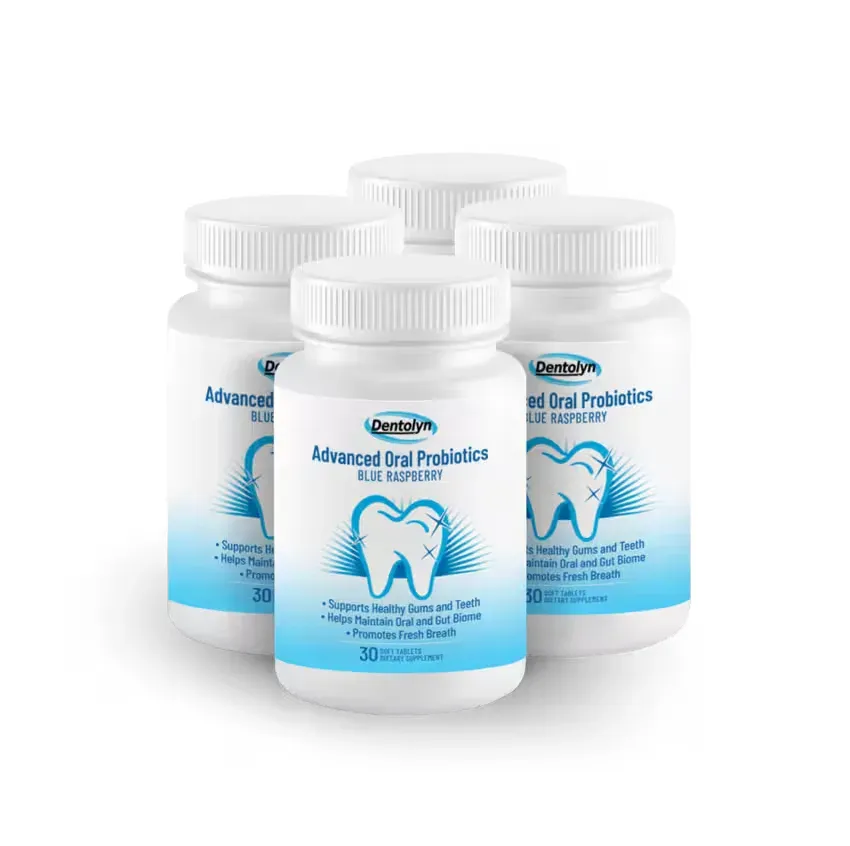
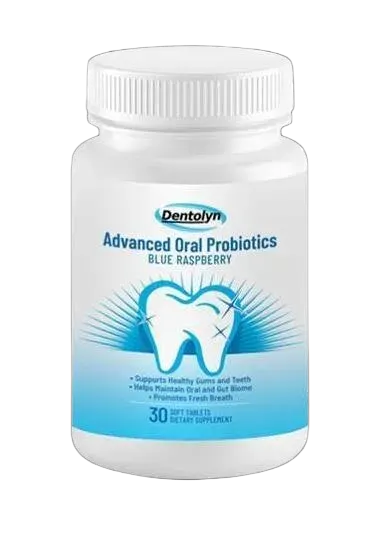
Beyond Vitamin C: A Holistic Approach to Oral Wellness with Dentolyn
While Vitamin C is undeniably vital, optimal oral health often benefits from a comprehensive blend of nutrients and natural compounds. Dentolyn understands this intricate balance, offering a targeted formula designed to support your gums, teeth, and overall oral microbiome. It's not just about one nutrient; it's about providing a synergistic blend that addresses multiple facets of oral health, complementing your dietary efforts and daily hygiene routine.
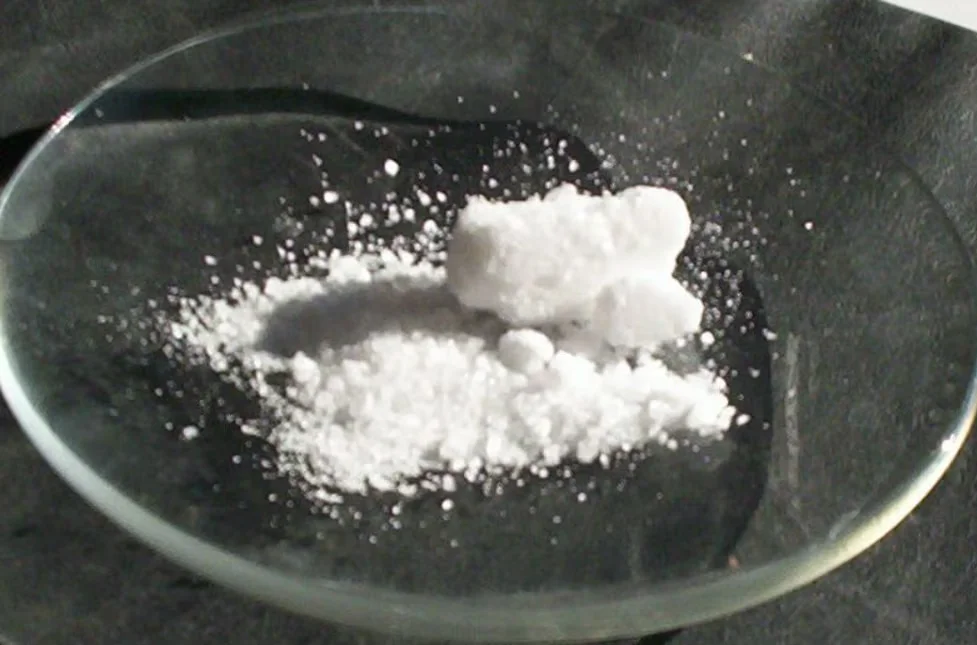
Iodine
Role: Essential for thyroid function, which indirectly impacts bone metabolism and gum health. It also possesses natural antiseptic properties, supporting a balanced oral environment.
Typically 150-200 mcg per serving
Green Superfood Blend
Role: A powerful complex of nutrient-dense greens, rich in vitamins, minerals, and antioxidants (including natural Vitamin C). This blend supports detoxification, reduces inflammation, and provides broad-spectrum nutritional support for overall vitality and gum health.
Proprietary blend, varying concentration
Magnesium Stearate
Role: A commonly used flow agent in supplements, ensuring consistent capsule filling and product stability. While not an active ingredient for oral health, it plays a vital role in the manufacturing process, guaranteeing the quality and integrity of each Dentolyn capsule.
Minimal amount as excipientDentolyn is formulated to work in harmony with your body, providing targeted support for your oral health from within. It's a convenient way to ensure you're getting key nutrients that might be missing from your diet, helping to strengthen your gums, support tooth integrity, and promote a healthier oral environment. By focusing on natural, high-quality ingredients, Dentolyn aims to be a valuable addition to your daily routine, empowering you to take control of your dental well-being.
For those interested in exploring further avenues for enhancing oral health, particularly through beneficial microorganisms, we invite you to read our detailed guide on probiotics for mouth health, which delves into how these beneficial bacteria can contribute to a balanced oral environment and prevent common issues.
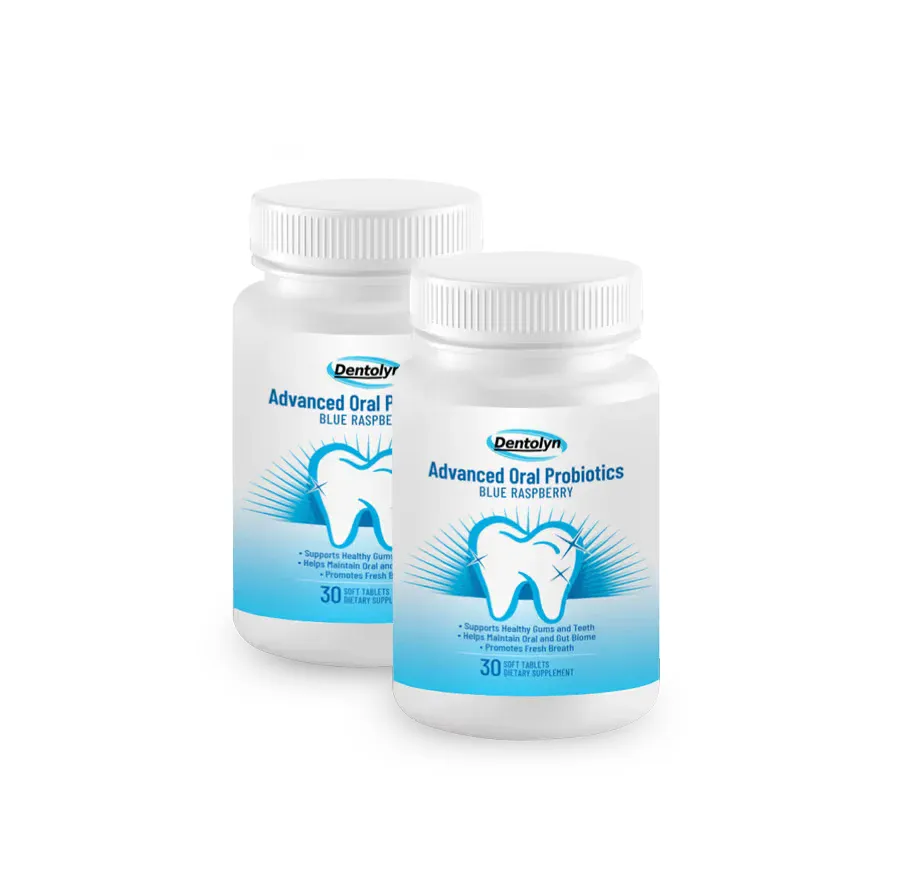
Ready to Reclaim Your Oral Health?
Don't let nutritional deficiencies compromise your smile. Dentolyn offers a targeted blend of natural ingredients designed to support your gums, teeth, and overall oral microbiome. Take the first step towards a healthier, happier mouth today!
- Supports healthy gums and teeth
- Promotes a balanced oral microbiome
- Natural, high-quality ingredients
- Easy-to-use daily supplement
- Made in an FDA-registered facility



Hear From Our Happy Customers
"My gums used to bleed every time I brushed, and I just assumed it was normal. After a few weeks of using Dentolyn, I noticed a huge difference. The bleeding has almost completely stopped, and my mouth feels so much healthier. I'm genuinely impressed!"
"I was skeptical at first, but my dentist recommended looking into nutritional support for my persistent gum issues. Dentolyn has been a game-changer. My gums feel firmer, and the sensitivity has decreased. It's a great complement to my daily oral hygiene routine."
"As someone who struggles to get enough fresh produce, I worried about my Vitamin C intake affecting my teeth. Dentolyn provides that extra boost, and I've felt a noticeable improvement in my overall oral comfort. My breath even feels fresher!"
Frequently Asked Questions
<What is Vitamin C and why is it important for oral health?
+Vitamin C, also known as ascorbic acid, is a powerful antioxidant and an essential nutrient that plays a critical role in numerous bodily functions, including maintaining healthy teeth and gums. It is crucial for the synthesis of collagen, a vital protein that forms the structural framework of gums, bones, and blood vessels. Without sufficient Vitamin C, collagen production falters, leading to weakened gum tissue, compromised bone integrity in the jaw, and fragile capillaries that easily bleed. Furthermore, its antioxidant properties help protect oral tissues from oxidative stress and inflammation, which are significant contributors to gum disease. Adequate Vitamin C intake supports a robust immune response, enabling your body to fight off oral infections more effectively and promoting faster healing of oral wounds.
How does Vitamin C deficiency manifest in the mouth?
+The oral manifestations of Vitamin C deficiency can range from subtle signs to severe conditions like scurvy. Early symptoms often include swollen, inflamed, and bleeding gums (gingivitis), which can worsen to severe periodontitis if left unaddressed. Gums may appear purplish, spongy, and highly sensitive, bleeding profusely even with light brushing or flossing. Other signs include delayed wound healing after dental procedures, loosening of teeth due to weakened periodontal ligaments and bone loss, and increased susceptibility to oral infections. In advanced cases, characterized as scurvy, patients may experience spontaneous gum bleeding, tooth loss, and severe pain, alongside systemic symptoms like fatigue, joint pain, and skin issues. Recognizing these early oral indicators is crucial for timely intervention and preventing irreversible damage.
Can taking Vitamin C supplements reverse gum disease?
+While Vitamin C is absolutely essential for healthy gums and can significantly improve symptoms associated with deficiency, it is important to understand that it is not a standalone cure for advanced gum disease (periodontitis). If your gum disease is linked to a Vitamin C deficiency, supplementation can help strengthen gum tissue, reduce inflammation, and promote healing, thereby improving the condition. However, existing gum disease, especially periodontitis, often requires professional dental intervention such as deep cleaning (scaling and root planing) to remove plaque and tartar, and sometimes even surgical procedures. Vitamin C supplementation should be seen as a supportive measure within a comprehensive oral health regimen that includes good oral hygiene, regular dental check-ups, and a balanced diet. Always consult your dentist or healthcare provider for a proper diagnosis and treatment plan.
What are the best dietary sources of Vitamin C?
+Nature provides an abundance of delicious and nutrient-rich sources of Vitamin C. Citrus fruits like oranges, grapefruits, lemons, and limes are famously high in this vitamin. However, many other fruits and vegetables surpass them in Vitamin C content. Excellent sources include bell peppers (especially red and yellow), kiwis, strawberries, broccoli, Brussels sprouts, kale, and papayas. Other good sources are tomatoes, cantaloupe, and potatoes. Incorporating a variety of these foods into your daily diet is the most effective way to ensure adequate Vitamin C intake. Aim for at least 5-9 servings of fruits and vegetables daily, focusing on colorful options to maximize your nutrient spectrum.
Is Dentolyn a replacement for dental visits?
+No, Dentolyn is designed to be a supportive dietary supplement for oral health and should never be considered a replacement for regular dental check-ups, professional cleanings, or prescribed dental treatments. Dentolyn provides a blend of natural ingredients intended to nourish and strengthen oral tissues, support a healthy oral microbiome, and complement your existing oral hygiene routine. It can be a valuable tool in maintaining optimal oral health and addressing nutritional gaps that might impact your teeth and gums. However, a qualified dentist is essential for diagnosing and treating dental diseases, performing professional cleanings to remove plaque and tartar, and addressing any complex oral health issues. Always integrate supplements like Dentolyn as part of a holistic approach to wellness, in consultation with your healthcare provider.
How long does it take to see results with Dentolyn?
+The time it takes to experience noticeable results with Dentolyn can vary significantly from person to person, depending on individual factors such as the severity of existing oral health issues, dietary habits, lifestyle, and overall health. Some individuals may begin to notice improvements in gum health, reduced bleeding, or fresher breath within a few weeks of consistent use. For others, it might take a month or two to observe more significant changes as the body works to rebuild and strengthen oral tissues. For optimal and lasting benefits, it is recommended to take Dentolyn consistently for at least 60-90 days. Remember that Dentolyn works best when combined with a balanced diet, good oral hygiene practices, and regular dental care. The 60-day money-back guarantee allows you to try Dentolyn risk-free and experience its potential benefits for yourself.
Related Articles
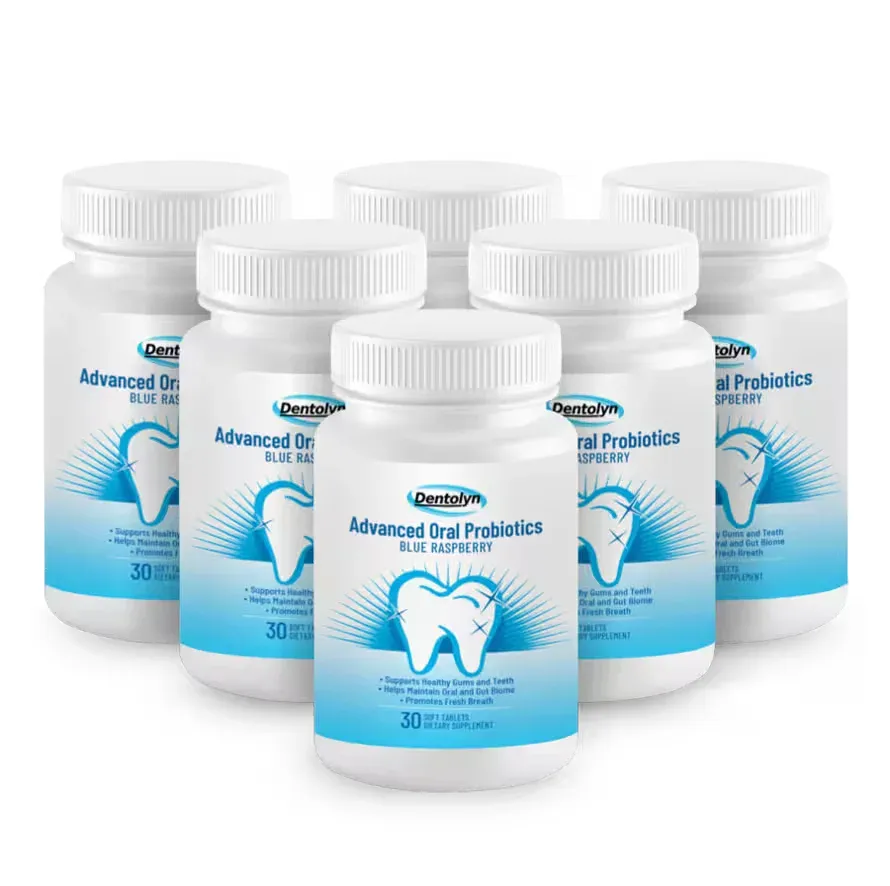
See Why 41,000+ Customers Rate Dentolyn 4.8/5
The reviews are real. The formula is unique. The guarantee is ironclad. Try Dentolyn for up to 60 days — if you are not completely satisfied with the improvement in your oral health, return it for a full refund. No questions asked.