Are you brushing and flossing diligently, yet still struggling with persistent dental issues?
For decades, dental care focused almost exclusively on topical treatments: brushing, flossing, and regular cleanings. While these practices are undoubtedly crucial, a growing body of scientific evidence is revealing a much deeper, systemic influence on your oral health. What if the root cause of your cavities, gum inflammation, or chronic bad breath wasn't just in your mouth, but in a seemingly unrelated part of your body: your gut?
The emerging understanding of the gut-oral axis highlights the profound connection between your digestive system and your mouth's delicate ecosystem. Your oral microbiome, a complex community of bacteria, fungi, and viruses residing in your mouth, doesn't exist in isolation. It's in constant communication with your gut microbiome, influencing not only your dental health but your overall well-being. This article will delve into this fascinating relationship, explaining how an imbalanced gut can wreak havoc on your teeth and gums, and what holistic steps you can take to foster a healthier mouth from the inside out. We'll explore how supporting your internal ecosystem can lead to a truly resilient, healthy smile, emphasizing the profound impact of your internal ecosystem on your dental destiny.
The Unseen World: Understanding Your Oral Microbiome
Long before we understood bacteria, people suffered from dental decay and gum disease. Today, science reveals that our mouths are bustling ecosystems, home to trillions of microorganisms collectively known as the oral microbiome. Far from being just a collection of 'germs,' this community plays a pivotal role in maintaining oral health – or, when imbalanced, contributing to disease.
Your oral microbiome is incredibly diverse, comprising over 700 identified species of bacteria, as well as fungi, viruses, and protozoa. In a healthy mouth, these microorganisms exist in a state of delicate balance, a concept known as eubiosis. Beneficial bacteria help to digest food particles, neutralize acids, and even produce compounds that protect against harmful invaders. They form a protective biofilm on your teeth and gums, acting as the first line of defense against pathogens. However, when this balance is disrupted, leading to a state of dysbiosis, pathogenic bacteria can proliferate, paving the way for a host of dental problems.
The health of your oral microbiome is influenced by numerous factors, including your diet, oral hygiene practices, genetics, and lifestyle. But increasingly, research points to another significant player: your gut. The connection between these two microbial communities forms what scientists call the gut-oral axis, a bidirectional highway of communication that impacts health far beyond just your mouth.
The Gut-Oral Axis: A Two-Way Street of Influence
While the mouth and gut seem distinct, they are intricately linked. The gut-oral axis describes the complex biological pathways through which the health of your digestive system directly impacts the health of your oral cavity, and vice-versa.
This connection isn't merely theoretical; it's mediated through several key mechanisms. Firstly, the most obvious link is physical: anything you swallow, including bacteria from your mouth, travels directly into your gut. If your oral microbiome is imbalanced, you're constantly sending potentially harmful bacteria downstream, which can colonize and disrupt the delicate balance of your gut microbiome. These oral pathogens, such as Porphyromonas gingivalis (associated with gum disease), have been found in the guts of individuals with inflammatory bowel diseases and other systemic conditions, suggesting they can survive the journey and contribute to inflammation elsewhere.
Secondly, the gut-oral axis operates through systemic inflammation and immune response. An unhealthy gut, characterized by a compromised gut lining (often referred to as 'leaky gut'), can lead to chronic low-grade systemic inflammation. This inflammation doesn't just stay in the gut; it circulates throughout the body via the bloodstream, including to the gums. Inflammatory cytokines produced in the gut can exacerbate gum inflammation, making your oral tissues more susceptible to disease. Conversely, severe oral infections can also trigger systemic inflammation, creating a vicious cycle that impacts overall health.
Nutrient absorption is another critical aspect. A healthy gut is essential for efficiently absorbing vitamins, minerals, and other vital nutrients from your food. If your gut health is compromised, you may not be absorbing enough of the essential building blocks needed for strong teeth, healthy gums, and robust immune function. Deficiencies in nutrients like Vitamin D, Vitamin K2, Calcium, and Magnesium, all crucial for bone and tooth density, can arise from poor gut health, directly impacting your dental resilience.
Gut Dysbiosis: The Silent Saboteur of Your Smile
When the delicate balance of your gut microbiome is disturbed – a state known as gut dysbiosis – the repercussions can extend far beyond digestive discomfort, directly manifesting as problems in your mouth.
One of the primary ways gut dysbiosis impacts oral health is through its influence on the immune system. Approximately 70-80% of the body's immune cells reside in the gut-associated lymphoid tissue (GALT). A healthy gut microbiome trains and modulates the immune system. When the gut is dysbiotic, the immune system can become overreactive or underactive, leading to chronic inflammation that affects the gums (gingivitis and periodontitis). This systemic inflammation makes the oral tissues more vulnerable to bacterial attack and impairs their ability to heal.
Furthermore, gut dysbiosis can alter the body's metabolic processes and nutrient utilization. For instance, imbalances in gut bacteria can affect blood sugar regulation. Elevated blood sugar levels create a more hospitable environment for cavity-causing bacteria in the mouth and can impair the immune response in the gums, worsening periodontal disease. Certain gut bacteria also produce short-chain fatty acids (SCFAs) that have anti-inflammatory properties; a reduction in these beneficial bacteria can remove this protective effect, leaving oral tissues more exposed to inflammatory damage.
The impact extends to saliva, your mouth's natural defense mechanism. Saliva not only washes away food particles and neutralizes acids but also contains enzymes and antibodies that fight bacteria. Gut dysbiosis can indirectly affect salivary gland function and the composition of saliva, reducing its protective capacity. This can lead to a drier mouth (xerostomia) or a shift in salivary pH, both of which increase the risk of cavities and gum disease. The consequences are clear: a troubled gut often means a troubled mouth.
💡 Key Takeaway
Your gut and mouth are inextricably linked. An imbalanced gut microbiome (dysbiosis) can lead to systemic inflammation and impaired nutrient absorption, directly contributing to common oral health issues like cavities, gum disease, and bad breath. Nurturing your gut health is a fundamental step towards achieving a truly healthy and resilient smile.
The Rewards: How a Balanced Microbiome Fortifies Your Oral Health
Focusing on balancing your gut and oral microbiomes offers a cascade of benefits that can transform your dental health and contribute to your overall well-being.
Reduced Cavity Risk
A balanced oral microbiome, supported by a healthy gut, means fewer acid-producing bacteria dominating your mouth. Beneficial bacteria help maintain a neutral pH, reducing enamel erosion and the formation of cavities. Better nutrient absorption from the gut also provides the necessary minerals to remineralize tooth enamel.
Stronger, Healthier Gums
By mitigating systemic inflammation originating from the gut, you reduce the risk and severity of gingivitis and periodontitis. A robust immune system, primed by a healthy gut, is better equipped to fight off gum infections, leading to less bleeding, swelling, and gum recession.
Fresher Breath
Chronic bad breath (halitosis) is often a sign of bacterial imbalance, either in the mouth or the gut. Addressing dysbiosis in both areas reduces the proliferation of odor-producing bacteria, leading to naturally fresher breath that goes beyond temporary minty solutions.
Enhanced Nutrient Absorption
A well-functioning gut efficiently absorbs essential vitamins and minerals crucial for dental health, such as Calcium, Vitamin D, Vitamin K2, and Magnesium. These nutrients are vital for maintaining strong tooth enamel and bone density in the jaw, supporting the structural integrity of your teeth.
Improved Oral Healing
With reduced inflammation and a healthier immune response, your oral tissues are better able to heal from minor irritations, cuts, or dental procedures. This means faster recovery and greater resilience against daily wear and tear.
Systemic Health Protection
The benefits extend beyond your mouth. By nurturing both your gut and oral microbiomes, you reduce systemic inflammation, which is a known risk factor for various chronic diseases including heart disease, diabetes, and certain autoimmune conditions. Your oral health becomes a mirror of your overall health.
Connecting the Dots: Common Oral Problems with Gut Roots
Many persistent oral health issues that seem to defy conventional treatments might have their origins deeper within your digestive system. Recognizing these connections is the first step towards truly effective solutions.
Chronic Bad Breath (Halitosis): While often attributed to oral hygiene, persistent halitosis can be a red flag for gut dysbiosis. Certain bacteria in the gut, when overgrown, can produce volatile sulfur compounds that are absorbed into the bloodstream and exhaled through the lungs, leading to breath that no amount of brushing can fully mask. Conditions like SIBO (Small Intestinal Bacterial Overgrowth) or imbalances in the large intestine can be significant contributors.
Frequent Cavities and Tooth Decay: Beyond sugar consumption, a compromised gut can indirectly increase cavity risk. Poor nutrient absorption (especially of calcium, phosphorus, and vitamins D and K2) weakens tooth enamel. Furthermore, if gut dysbiosis leads to systemic inflammation or altered salivary composition, the mouth becomes a more acidic environment where cavity-causing bacteria thrive. The ability of your body to remineralize enamel is heavily reliant on systemic health, which starts in the gut.
Gum Disease (Gingivitis and Periodontitis): This is perhaps the most direct link. As discussed, systemic inflammation originating from a leaky gut can directly inflame gum tissues, making them more susceptible to bacterial infection and less able to heal. Oral pathogens like P. gingivalis also play a role, and their presence can be exacerbated by an unhealthy gut environment. Studies show a strong correlation between inflammatory bowel diseases and severe periodontitis.
Oral Thrush (Candidiasis): An overgrowth of the yeast Candida albicans in the mouth is often a sign of a compromised immune system, which is heavily influenced by gut health. Antibiotic use, which decimates beneficial gut bacteria, is a common trigger for both gut dysbiosis and subsequent oral thrush, highlighting the interconnectedness.
Mouth Sores and Canker Sores: While various factors can cause these, recurrent mouth sores can sometimes indicate underlying nutrient deficiencies (like B vitamins, iron, or zinc) or systemic inflammation stemming from gut issues. Addressing gut health can often reduce the frequency and severity of these painful lesions.
Holistic Strategies for a Healthier Oral & Gut Microbiome
Embrace a Whole-Food Diet
Prioritize nutrient-dense, whole foods rich in fiber, vitamins, and minerals. Include plenty of fruits, vegetables, lean proteins, and healthy fats. Minimize processed foods, refined sugars, and artificial sweeteners, which feed harmful bacteria and promote inflammation in both the gut and mouth. Fermented foods like yogurt, kefir, sauerkraut, and kimchi are excellent sources of beneficial probiotics.
Consider Key Nutrients & Probiotics
Beyond diet, targeted supplementation can bridge nutritional gaps and directly support microbial balance. Probiotics can introduce beneficial bacteria to both the gut and, indirectly, the mouth. Essential vitamins (like D and K2) and minerals (like Magnesium and Iodine) are critical for bone density, immune function, and anti-inflammatory processes crucial for oral and gut health. Always consult a healthcare professional before starting new supplements.
Reduce Chronic Stress
Chronic stress significantly impacts gut health by altering gut motility, increasing gut permeability, and shifting the balance of the gut microbiome. This, in turn, can contribute to systemic inflammation and compromise immune function, affecting oral health. Practices such as meditation, yoga, deep breathing exercises, and adequate sleep are vital for maintaining a healthy gut-brain axis and reducing its impact on your oral health.
Maintain Excellent Oral Hygiene
While this article emphasizes systemic links, never underestimate the power of consistent oral hygiene. Brush twice daily with a fluoride-free toothpaste, floss daily, and use a tongue scraper. Consider natural mouthwashes or oil pulling. Regular dental check-ups and professional cleanings remain foundational for removing plaque and tartar and monitoring oral health. For more insights on effective remedies, explore our article on oral health remedies that work.
Fueling Your Foundation: The Role of Specific Nutrients in the Gut-Oral Connection
Just as a garden needs the right soil and nutrients to flourish, your oral and gut microbiomes require specific dietary components to thrive and protect your health.
Beyond general healthy eating, certain vitamins and minerals play particularly vital roles in maintaining the integrity of the gut lining, modulating the immune system, and directly contributing to strong teeth and gums. A deficiency in any of these can weaken your body's natural defenses and make you more susceptible to both gut dysbiosis and oral disease. For a deeper dive into essential nutrients, refer to our guide on vitamins and minerals essential for strong teeth and gums.
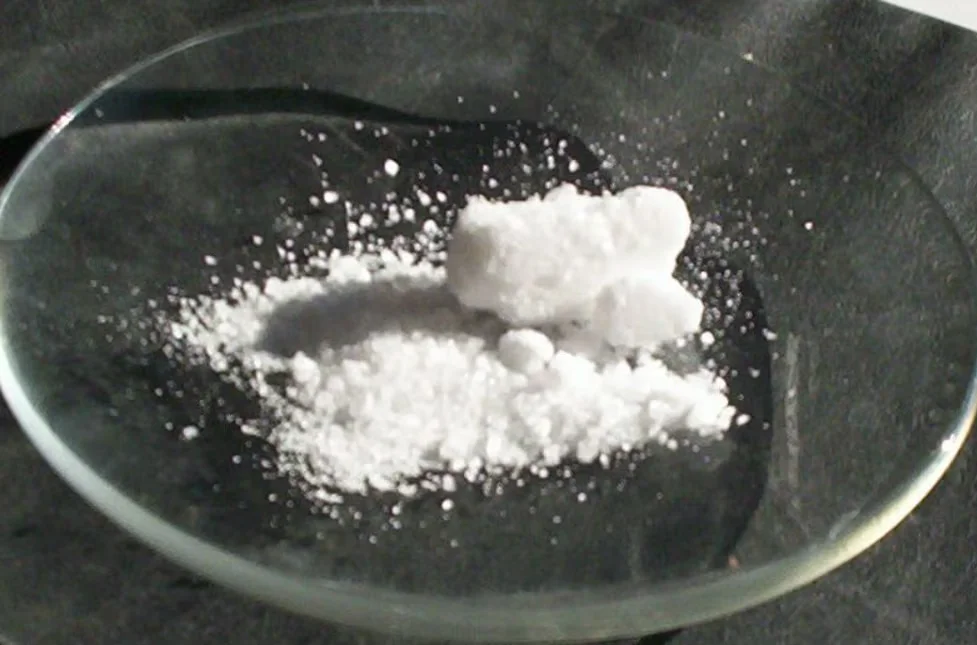
Iodine: Often overlooked in oral health, Iodine is crucial for thyroid function, which in turn regulates metabolism and cellular repair throughout the body, including oral tissues. It also possesses natural antibacterial properties that can help balance the oral microbiome. A healthy thyroid ensures robust immune responses and efficient healing of gum tissues. Furthermore, adequate iodine supports the production of healthy saliva, which is vital for neutralizing acids and washing away food particles in the mouth.
Magnesium: This essential mineral is involved in over 300 biochemical reactions in the body, including bone and tooth formation. Magnesium works synergistically with calcium and vitamin D to ensure strong enamel and healthy jawbone density. It also plays a key role in reducing inflammation and supporting nerve function, both of which are critical for preventing and managing gum disease. A deficiency can lead to weaker teeth and increased inflammation.
Vitamin D and K2: These fat-soluble vitamins are indispensable for bone and tooth mineralization. Vitamin D helps the body absorb calcium, while Vitamin K2 directs calcium to where it’s needed (bones and teeth) and away from where it's not (arteries and soft tissues). Together, they are powerful allies in preventing cavities and maintaining strong skeletal structure, including your jawbone. They also have significant roles in immune modulation and reducing systemic inflammation, directly benefiting gum health.
Probiotics and Prebiotics: While not technically nutrients, these are vital for maintaining a healthy microbiome. Probiotics are live beneficial bacteria that can be introduced through food or supplements, helping to restore balance in both the gut and oral cavities. Prebiotics are non-digestible fibers that feed these beneficial bacteria, allowing them to flourish. Together, they create an environment that supports a healthy microbial ecosystem, which in turn reduces the growth of pathogenic bacteria that contribute to dental decay and gum disease. Even specific oral probiotics are gaining traction for their ability to colonize the mouth and outcompete harmful strains.
Incorporating these vital elements into your daily routine, through diet and thoughtful supplementation, is a powerful strategy to fortify your body's defenses from within. This holistic approach supports the intricate connection between your gut and mouth, paving the way for lasting oral health.
Key Ingredients for a Thriving Oral & Gut Microbiome
Iodine
Role: Crucial for thyroid health, metabolism, and immune function, supporting tissue repair and acting as a natural antimicrobial agent in the mouth.
150-300 mcg daily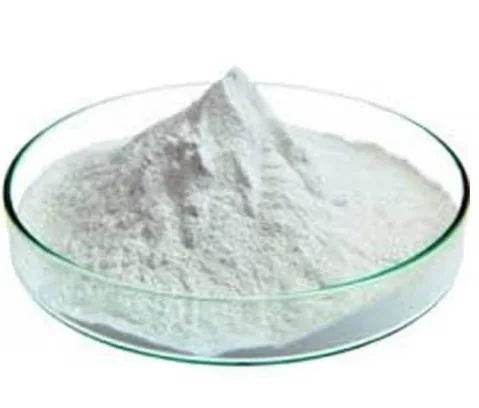
Magnesium
Role: Essential for bone and tooth formation, nerve function, and reducing inflammation. Works with Vitamin D and K2 for optimal calcium utilization.
300-400 mg daily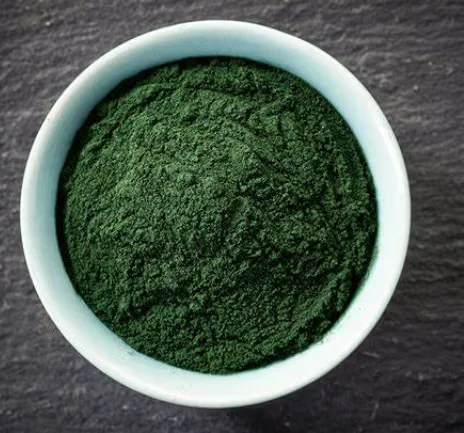
Probiotic & Prebiotic Complex
Role: Introduces beneficial bacteria to balance the oral and gut microbiomes, inhibiting pathogen growth and supporting digestive health. Prebiotics nourish these good bacteria.
Billions of CFUs dailyBeyond Supplements: Lifestyle and Preventive Measures
While diet and targeted nutrients form a strong foundation, a truly holistic approach to oral and gut health integrates daily lifestyle choices and preventive strategies.
Hydration is Key: Drinking plenty of water throughout the day is fundamental. Water helps produce saliva, which naturally cleanses the mouth, neutralizes acids, and carries minerals for remineralization. It also aids digestion and nutrient transport in the gut. Avoid sugary drinks and excessive caffeine, which can dehydrate and disrupt microbial balance.
Mindful Eating: Pay attention to how you eat, not just what. Chewing food thoroughly aids digestion and stimulates saliva production. Eating slowly allows your body to signal fullness, preventing overeating which can strain the digestive system. Consider the impact of food textures; crunchy fruits and vegetables can naturally scrub teeth and stimulate gums.
Regular Exercise: Physical activity reduces systemic inflammation, improves circulation, and supports a healthy immune system – all beneficial for both gut and oral health. Exercise can also help manage stress, indirectly contributing to a more balanced microbiome. Aim for a combination of cardiovascular activity, strength training, and flexibility exercises.
Avoid Harmful Toxins: Minimize exposure to environmental toxins and chemicals found in some personal care products. Many conventional mouthwashes contain alcohol or harsh antimicrobials that can indiscriminately kill both good and bad bacteria, disrupting the oral microbiome. Opt for natural alternatives. Similarly, be mindful of chemicals in food and water that can impact gut health. For natural oral care solutions, read our article on xylitol benefits for dental health.
By integrating these lifestyle pillars with a nutrient-rich diet and thoughtful supplementation, you create a powerful synergy that supports the optimal functioning of your gut-oral axis. This comprehensive strategy is not just about preventing disease, but about fostering vibrant health and resilience from the inside out, leading to a smile that truly reflects your inner vitality.
Take Control of Your Oral & Gut Health Today
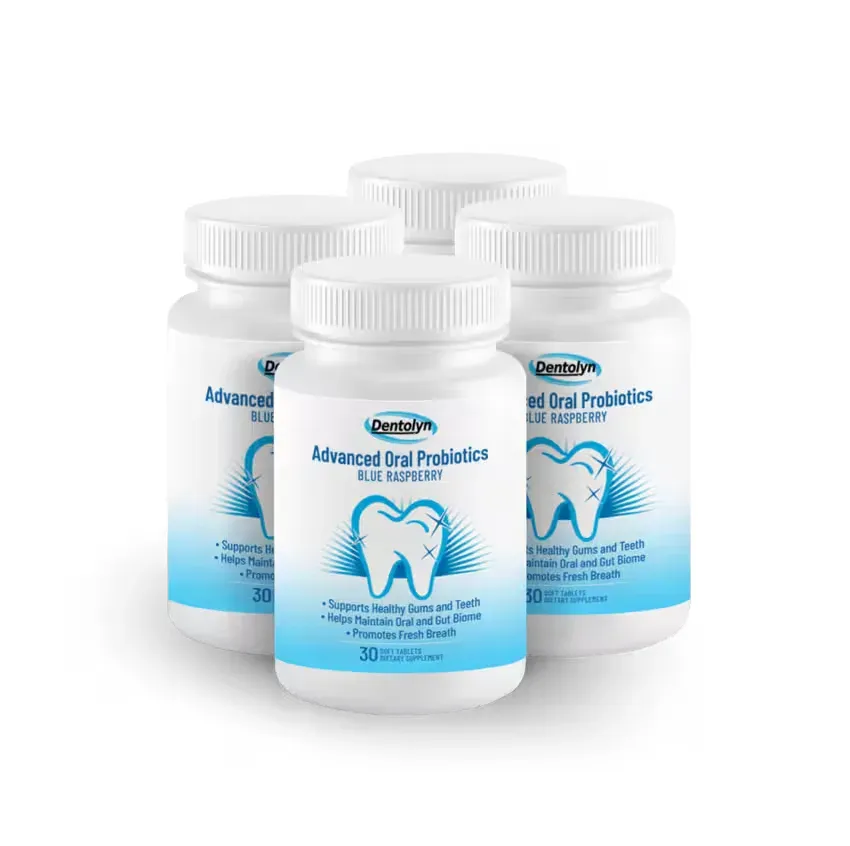
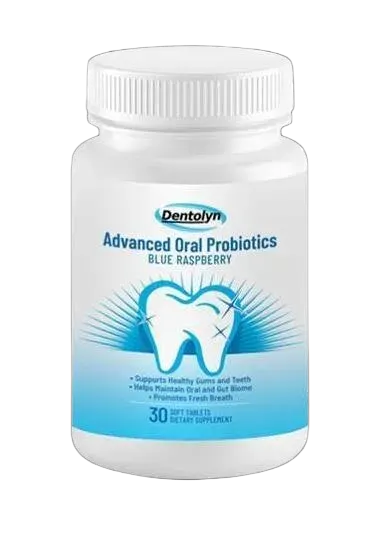
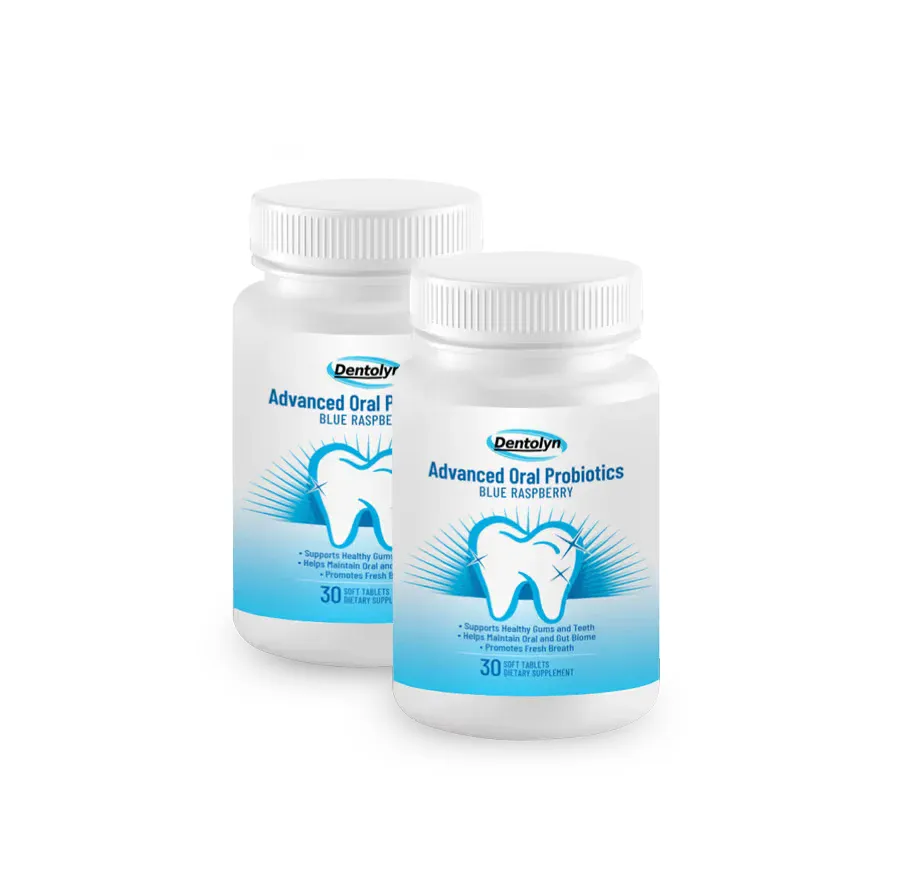
Dentolyn offers a unique blend of natural ingredients specifically formulated to support the delicate balance of your oral and gut microbiomes. By nourishing your body from within, Dentolyn aims to help you achieve stronger teeth, healthier gums, and fresher breath, while also bolstering your overall systemic health. It's a comprehensive approach to dental wellness, designed to address the root causes of common oral issues.
- Supports a balanced oral microbiome
- Promotes healthy gut function
- Helps reduce gum inflammation
- Contributes to strong teeth and enamel
- 100% natural ingredients


Hear From Our Happy Customers
"I was constantly battling bad breath and sensitive gums, despite rigorous brushing. After just a few weeks of Dentolyn, I noticed a significant improvement. My breath is fresher, and my gums feel so much healthier. It’s truly amazing how much difference gut health makes!"
"I’ve struggled with recurring cavities for years, and my dentist couldn't explain why. A friend suggested I look into my gut health. Dentolyn has been a game-changer. My last check-up was cavity-free, and I feel more energetic overall. Highly recommend!"
"As someone with a sensitive stomach, I was skeptical, but Dentolyn has been gentle and effective. My digestion feels better, and surprisingly, my teeth feel stronger and less sensitive. It’s like a two-in-one solution for my health. Thank you, Dentolyn!"
Frequently Asked Questions
What is the oral microbiome and why is it important?
+The oral microbiome is the complex community of microorganisms (bacteria, fungi, viruses) living in your mouth. It plays a crucial role in oral health, helping to digest food, neutralize acids, and protect against pathogens. A balanced oral microbiome (eubiosis) is essential for preventing cavities, gum disease, and bad breath. When this balance is disrupted (dysbiosis), harmful bacteria can proliferate, leading to various dental problems.
How does gut health directly impact my teeth and gums?
+Gut health impacts oral health through the 'gut-oral axis.' An imbalanced gut (dysbiosis) can lead to systemic inflammation, which travels through the bloodstream and affects gum tissues, making them more prone to disease. Poor gut health also impairs nutrient absorption (e.g., Vitamin D, K2, Magnesium), weakening tooth enamel and bone density. Additionally, oral pathogens swallowed can disrupt gut balance, creating a vicious cycle of inflammation and disease.
Can probiotics help improve my oral health?
+Yes, absolutely. Probiotics, especially those specifically formulated for oral health or general gut health, can introduce beneficial bacteria that help restore balance in both your gut and oral microbiomes. These good bacteria can outcompete harmful pathogens, reduce inflammation, support immune function, and contribute to a healthier oral environment, leading to reduced cavity risk, healthier gums, and fresher breath.
What are common signs that my gut health might be affecting my mouth?
+Common signs include chronic bad breath that doesn't resolve with brushing, frequent cavities despite good oral hygiene, persistent gum inflammation or bleeding, recurrent mouth sores or canker sores, and oral thrush. If you experience these alongside digestive issues like bloating, discomfort, or irregular bowel movements, it's a strong indicator of a gut-oral connection.
Is Dentolyn suitable for everyone, and are there any side effects?
+Dentolyn is formulated with natural ingredients and is generally well-tolerated. However, as with any supplement, it's always recommended to consult with your physician or a healthcare professional before starting Dentolyn, especially if you have existing medical conditions, are pregnant or nursing, or are taking other medications. While side effects are rare, individual reactions can vary. Dentolyn is made in an FDA-registered, GMP-certified facility.
How long does it typically take to see results from Dentolyn?
+Results can vary depending on individual body chemistry, the severity of existing conditions, and consistency of use. Many users report noticing improvements in their oral freshness and gum health within a few weeks. For more significant changes in cavity prevention or chronic gum issues, consistent use over 2-3 months is often recommended to allow the body to rebalance and build up nutrient levels. Remember, Dentolyn is part of a holistic approach to health.
Related Articles
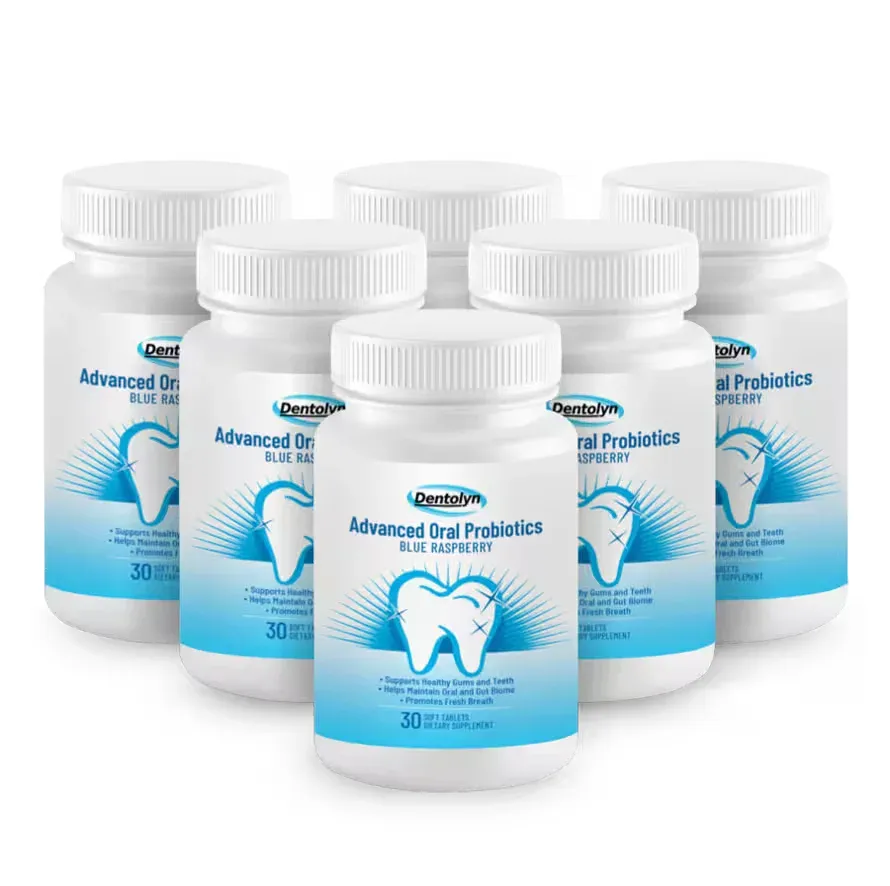
Nourish Your Oral & Gut Health Today
Dentolyn's all-natural formula is designed to support the vital gut-oral connection, promoting a balanced microbiome, stronger teeth, and healthier gums from the inside out. Take the first step toward lasting oral wellness.
- ✓ Supports a Balanced Oral & Gut Microbiome
- ✓ Promotes Healthy Gums & Strong Teeth
- ✓ 100% Natural Ingredients
- ✓ Manufactured in a GMP Certified Facility
- ✓ Non-GMO, Gluten-Free, Soy-Free