Are You Missing Out on Xylitol's Revolutionary Dental Benefits?
For decades, dental care revolved around brushing, flossing, and regular check-ups. While these remain fundamental, modern dentistry is constantly evolving, uncovering natural allies that can significantly enhance our oral health. Among these, one natural sweetener has risen to prominence, earning widespread endorsement from dental professionals worldwide: Xylitol.
Derived from plants, xylitol isn't just a sugar substitute; it's a powerful tool in the fight against tooth decay and gum disease. Dentists are increasingly recommending it for its unique ability to combat harmful oral bacteria, reduce plaque, and even help repair damaged enamel. This article will delve deep into the science behind xylitol, explaining exactly why it's considered a natural cavity fighter and how you can integrate it into your daily routine for a healthier, brighter smile.
Understanding Xylitol: Nature's Sweet Solution for Oral Health
Before we explore its profound benefits, let's understand what xylitol is and why it's so different from traditional sugars that wreak havoc on our teeth.
Xylitol is a naturally occurring sugar alcohol found in many fibrous fruits and vegetables, such as berries, plums, corn, and birch wood. It's also produced in small amounts by the human body during normal metabolism. Despite its sweet taste, similar to sucrose, xylitol has a significantly different molecular structure that makes it a powerful ally for dental health. Unlike sugar, which has a glycemic index of 60-70, xylitol has a glycemic index of just 7-13, making it a suitable alternative for those managing blood sugar levels.
The key to xylitol's dental magic lies in its interaction with oral bacteria. Our mouths are home to a complex ecosystem of microorganisms, some beneficial, others harmful. The primary culprit behind tooth decay is a bacterium called Streptococcus mutans. These bacteria thrive on sugars, metabolizing them into acids that erode tooth enamel, leading to cavities. This acidic environment also promotes the growth of more harmful bacteria, disrupting the delicate balance of the oral microbiome.
When you consume xylitol, S. mutans attempts to metabolize it just like sugar. However, the bacteria cannot fully process xylitol. They absorb it, expend energy trying to break it down, but ultimately cannot utilize it for growth or acid production. This metabolic dead-end effectively starves the harmful bacteria, reducing their numbers and their ability to produce damaging acids. Over time, the population of S. mutans significantly decreases, making your mouth a much less hospitable environment for cavity formation. This unique mechanism is why xylitol stands out as a superior dental health ingredient compared to other sugar alternatives.
💡 Key Takeaway
Xylitol is a natural sugar alcohol that starves cavity-causing bacteria (Streptococcus mutans), preventing them from producing enamel-eroding acids. This unique action makes it a powerful, dentist-recommended tool for significantly improving oral health and preventing tooth decay.
The Dentist's Perspective: Why Xylitol is a Top Recommendation
Dentists and dental hygienists are increasingly advocating for xylitol's inclusion in daily oral care routines due to its scientifically proven, multifaceted benefits. Here's a closer look at why it's a game-changer:
Powerful Cavity Prevention
The most celebrated benefit of xylitol is its unparalleled ability to prevent cavities. By reducing the population of S. mutans, xylitol directly targets the root cause of tooth decay. Studies have shown that consistent use of xylitol can lead to a significant reduction in new cavity formation, sometimes by as much as 30-70%. This preventative power makes it an excellent choice for individuals prone to cavities, including children and those with dry mouth.
Significant Plaque Reduction
Plaque is a sticky film of bacteria that constantly forms on our teeth. If not removed, it hardens into tartar and can lead to gum disease and cavities. Xylitol disrupts the ability of bacteria to adhere to tooth surfaces, thereby reducing plaque formation. Less plaque means healthier gums and a cleaner mouth, contributing to overall oral hygiene. This anti-adhesive property helps maintain a smoother tooth surface, making it harder for new plaque to accumulate.
Enamel Strengthening and Remineralization
Our teeth are constantly undergoing a process of demineralization (acid attack) and remineralization (repair by minerals in saliva). Xylitol not only reduces acid production but also promotes the flow of saliva, which is rich in calcium and phosphate. This enhanced saliva flow helps to neutralize acids and deliver essential minerals back to the tooth surface, aiding in the repair of early enamel lesions and strengthening the enamel over time. This process is crucial for maintaining the structural integrity of your teeth.
Balances Oral pH and Stimulates Saliva Production
A healthy mouth maintains a neutral pH balance. When we consume sugar, the pH drops, creating an acidic environment that is conducive to bacterial growth and enamel erosion. Xylitol helps to raise the pH level in the mouth, creating an alkaline environment that discourages harmful bacteria. Furthermore, chewing xylitol gum or consuming xylitol mints stimulates saliva production. Saliva is our body's natural defense against tooth decay, washing away food particles, neutralizing acids, and providing protective minerals. This is particularly beneficial for individuals suffering from dry mouth (xerostomia).
Supports Gum Health and Fights Bad Breath
While xylitol directly targets cavity-causing bacteria, its ability to reduce plaque and acidity indirectly supports healthier gums. By minimizing the bacterial load, it helps to prevent the inflammation that can lead to gingivitis and more severe gum disease. For more insights on maintaining gum health, consider reading our article on gum-disease-prevention-vitamins.html. Additionally, since many cases of bad breath are caused by bacteria in the mouth producing volatile sulfur compounds, xylitol's antibacterial action can significantly contribute to fresher breath. You can learn more about the root causes of halitosis in our article on causes-of-bad-breath-and-how-to-fix-it-permanently.html.
How Dentists Recommend Incorporating Xylitol into Your Daily Routine
To reap the maximum benefits of xylitol, consistent and strategic use is key. Dentists often recommend the following methods for integration:
The most common and effective way to use xylitol for dental health is through products designed for oral use. These include:
- Xylitol Chewing Gum and Mints: Chewing xylitol gum or sucking on xylitol mints after meals and snacks is highly effective. The act of chewing stimulates saliva flow, which, when combined with xylitol, creates a powerful defense against acids and bacteria. Aim for 2-3 pieces of gum or mints daily, ensuring they contain a high percentage of xylitol (preferably as the first ingredient).
- Xylitol Toothpaste and Mouthwash: Many oral care brands now offer toothpastes and mouthwashes formulated with xylitol. Using these products as part of your regular brushing and rinsing routine can provide continuous exposure to xylitol's benefits, further reducing bacterial load and supporting enamel health.
- Granulated Xylitol: For those who enjoy baking or sweetening beverages, granulated xylitol can be used as a 1:1 sugar substitute. While beneficial, it's important to note that the primary dental benefits come from direct contact with teeth and gums, such as through chewing gum or rinsing. Using it in cooking is generally safe but should be done in moderation due to potential digestive upset in large quantities.
The recommended daily dosage for dental benefits is typically between 5 to 10 grams of xylitol, spread throughout the day. It's crucial to distribute this intake, as frequent, small exposures are more effective than a single large dose. For example, chewing a piece of xylitol gum after each meal and snack can provide consistent protection. Always remember, while xylitol is a fantastic tool, it should complement, not replace, your regular brushing, flossing, and professional dental check-ups.
Beyond Xylitol: A Holistic Approach to Superior Oral Health
The Power of Diet
What you eat profoundly impacts your oral health. Reducing intake of sugary and acidic foods and beverages is paramount. Opt for a diet rich in whole foods, fresh fruits, vegetables, and lean proteins. Foods high in calcium, like dairy or fortified plant-based alternatives, and phosphorus, found in fish and meat, are essential for strong teeth and bones. Hydration with water throughout the day helps wash away food particles and maintains saliva flow, further protecting your oral environment.
Consistent Oral Hygiene Practices
No amount of xylitol can replace the fundamentals. Brushing twice a day for two minutes with a fluoride toothpaste (or a natural alternative if preferred) and flossing daily are non-negotiable. These practices physically remove plaque and food debris, preventing bacterial buildup. Consider incorporating an antiseptic mouthwash for additional bacterial control, ensuring it's alcohol-free to prevent dry mouth. Regular tongue scraping can also significantly reduce bacteria contributing to bad breath.
Regular Dental Check-ups
Visiting your dentist for professional cleanings and examinations at least twice a year is vital. Dentists can identify and address issues like cavities, gum disease, and other oral health concerns before they escalate. They also perform thorough cleanings that remove stubborn plaque and tartar that cannot be removed by brushing and flossing alone. These routine visits are crucial for maintaining long-term oral health and catching potential problems early.
Embrace Natural Support for Comprehensive Care
Beyond xylitol, many natural ingredients offer synergistic benefits for oral health. Vitamins like D and K2 support bone and tooth strength, while certain herbs possess anti-inflammatory and antimicrobial properties beneficial for gums. Incorporating supplements that provide comprehensive nutritional support can enhance your body's natural defenses against oral issues. This holistic approach ensures all aspects of your oral ecosystem are supported, leading to lasting health. For more natural methods, see how-to-improve-gum-health-naturally-proven-methods-2026.html.
Complementing Your Routine: How Dentolyn Supports Comprehensive Oral Wellness
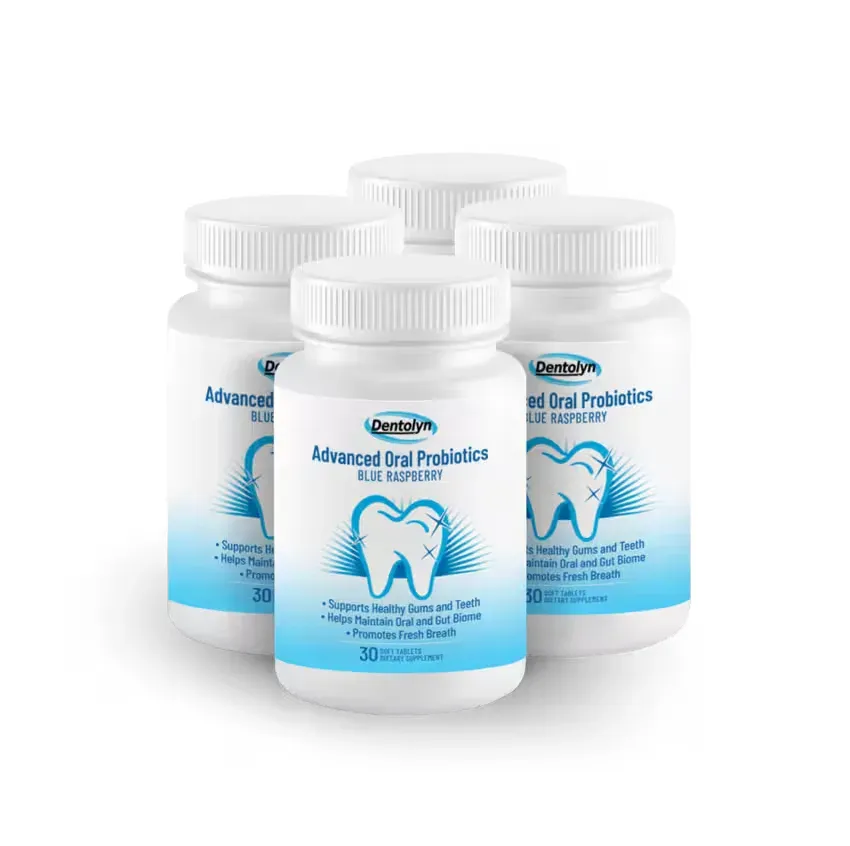
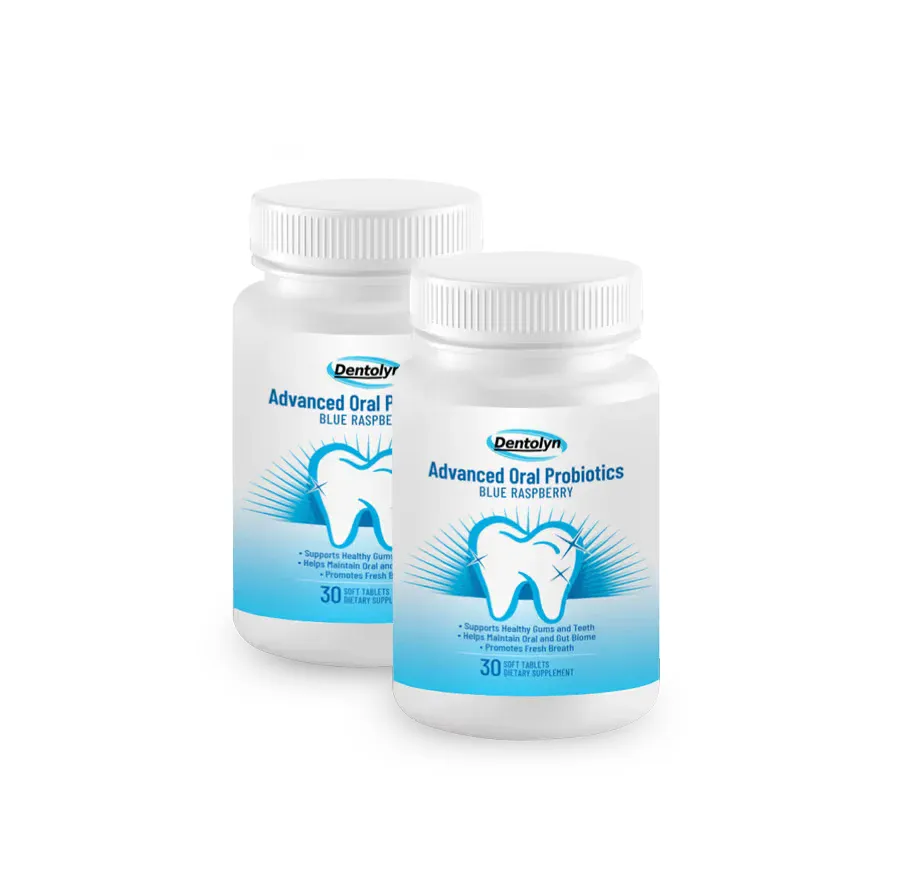
While xylitol provides targeted benefits for cavity prevention, achieving truly optimal oral health requires a comprehensive approach. Dentolyn is designed to work synergistically with your existing dental hygiene practices, offering a blend of natural ingredients that support various aspects of your oral and systemic health.
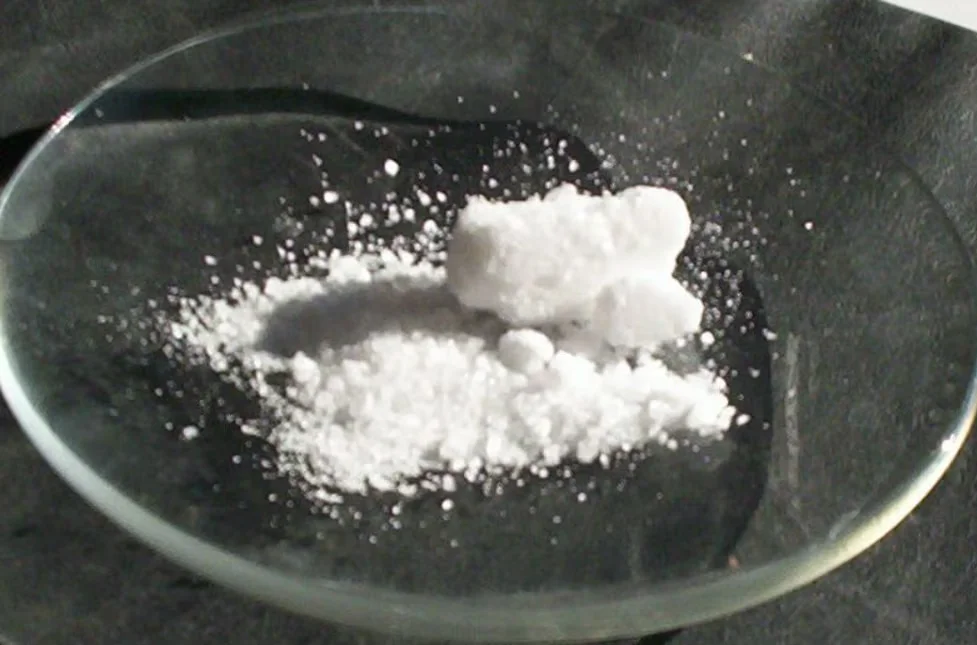
Iodine
Role: Supports healthy thyroid function, which is vital for overall metabolism and cellular health, including the integrity of oral tissues. It also possesses natural antiseptic properties that can contribute to a balanced oral microbiome, helping to reduce harmful bacteria and support gum health.
Typical daily intake: 150-250 mcg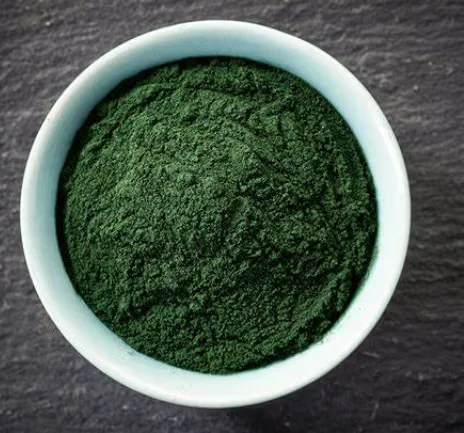
Green Powder Blend
Role: A potent blend of nutrient-rich greens provides a wide spectrum of vitamins, minerals, and antioxidants. These vital nutrients support systemic health, boost immunity, and reduce inflammation throughout the body, including the oral cavity. A healthy body foundation is crucial for resilient gums and teeth.
Varies by blend: typically 1-5 grams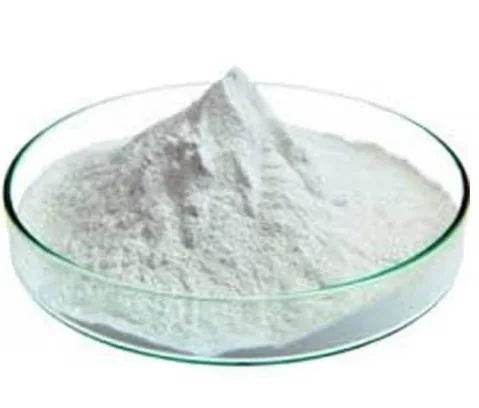
Magnesium Stearate
Role: Often used as an excipient in supplements, this ingredient helps prevent other ingredients from sticking together and to manufacturing equipment. It ensures consistent dosing and product quality, contributing to the smooth production of Dentolyn. While not a direct active ingredient for oral health, it plays a role in supplement formulation.
Typically <1% of total formulaBy incorporating a supplement like Dentolyn, you're not just addressing one aspect of dental health, but supporting a holistic approach that nurtures your entire oral ecosystem and its connection to overall well-being. It's about empowering your body's natural ability to maintain a healthy, vibrant smile.
Elevate Your Oral Health with Dentolyn
While xylitol is a powerful ally, achieving optimal dental health often requires a comprehensive approach. Dentolyn offers a unique blend of natural ingredients designed to support your oral microbiome, strengthen gums, and provide overall dental wellness. It's the perfect complement to your xylitol regimen, ensuring your mouth receives the all-around care it deserves.
- ✓ Supports a Balanced Oral Microbiome
- ✓ Promotes Stronger Gums and Teeth
- ✓ Contributes to Fresher Breath Naturally
- ✓ Made with 100% Natural Ingredients
- ✓ Easy to Integrate into Your Daily Routine



Real Stories, Real Results: What Our Customers Say
"I've been using Dentolyn for three months, and my dentist is amazed! Less plaque, healthier gums, and my breath feels consistently fresh. It's truly changed my oral health game. Highly recommend!"
"After struggling with sensitive gums for years, Dentolyn has been a lifesaver. The natural approach combined with my xylitol use has made a noticeable difference. No more discomfort, just a happy mouth!"
"I was skeptical at first, but Dentolyn has exceeded my expectations. My teeth feel cleaner, and my oral hygiene routine feels more complete. It’s a fantastic supplement for anyone serious about their dental health."
Frequently Asked Questions
What is xylitol and how does it help dental health?
+Xylitol is a natural sugar alcohol found in many fruits and vegetables. It helps dental health by starving harmful oral bacteria like Streptococcus mutans, which cannot metabolize xylitol. This reduces acid production, plaque formation, and promotes a healthier oral microbiome, ultimately preventing cavities and supporting enamel remineralization.
How much xylitol should I use daily for optimal dental benefits?
+For optimal dental benefits, dentists typically recommend consuming 5-10 grams of xylitol per day, spread out over 3-5 uses. This can be achieved through xylitol-sweetened chewing gum, mints, lozenges, toothpaste, or mouthwash. Consistency throughout the day is key to maximizing its effects against bacteria.
Is xylitol safe for everyone, and are there any side effects?
+Xylitol is generally considered safe for human consumption and is approved by the FDA. However, in large doses, it can cause digestive upset like bloating, gas, or diarrhea, especially when first introduced. It is extremely toxic to dogs and should be kept away from pets. Always consult a healthcare professional if you have concerns or pre-existing conditions.
Can xylitol reverse existing cavities or only prevent new ones?
+Xylitol primarily works by preventing new cavities and arresting the progression of early-stage lesions through remineralization. While it can help strengthen weakened enamel and support the natural repair process, it cannot 'reverse' established cavities that require professional dental intervention. It is most effective as a preventive measure and for maintaining overall oral health.
How does Dentolyn complement the benefits of xylitol for oral health?
+While xylitol is excellent for fighting cavities and plaque, optimal dental health requires a broader approach. Dentolyn is formulated with a unique blend of natural ingredients designed to support the oral microbiome, strengthen gums, and provide comprehensive dental wellness. It works synergistically with practices like xylitol use, offering additional support for a healthy mouth and fresh breath.
Where can I find products containing xylitol for dental use?
+Xylitol can be found in a variety of dental products. Look for xylitol as an ingredient in sugar-free chewing gum, mints, and lozenges at most grocery stores or pharmacies. Many natural health stores and online retailers also offer xylitol-sweetened toothpastes, mouthwashes, and granulated xylitol for use as a sugar substitute. Always check the ingredient list to ensure it's a primary component.
Related Articles
Invest in Your Oral Health Today
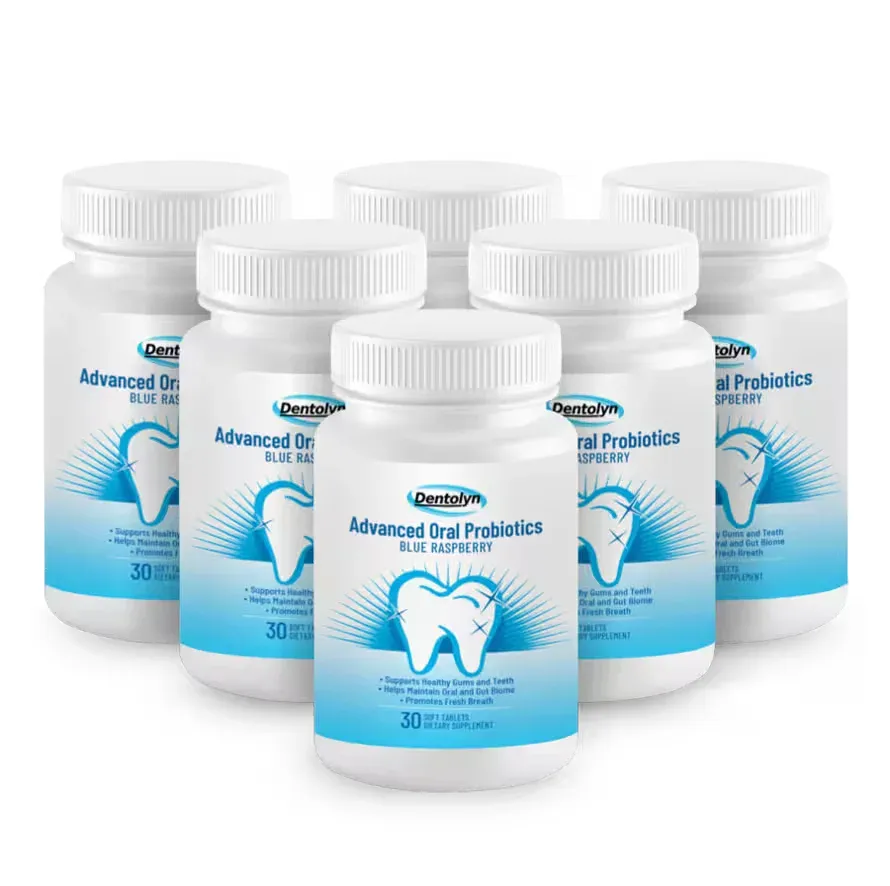
Dentolyn provides comprehensive oral health support with clinically studied natural ingredients. Join 41,000+ satisfied customers and experience the difference. Backed by a 60-day money-back guarantee.