Are you noticing bleeding gums, bad breath, or sensitive teeth?
Gum disease, also known as periodontal disease, is a pervasive oral health issue affecting millions worldwide. Often starting subtly, it can progress from mild inflammation to severe infection, potentially leading to tooth loss and impacting your overall systemic health.
Understanding its stages, recognizing key symptoms, and implementing effective prevention strategies are paramount. This article will guide you through the journey of gum disease, focusing on how you can proactively protect your oral health through a holistic approach that prioritizes natural methods and early intervention.
What is Gum Disease? An Introduction to Periodontal Health
Gum disease, medically known as periodontal disease, is a common inflammatory condition affecting the gums and the supporting structures of your teeth. It typically begins when bacteria in plaque, a sticky film that constantly forms on your teeth, produce toxins that irritate and inflame the gum tissue. If left untreated, this inflammation can spread and destroy the bone and ligaments that hold your teeth in place.
Understanding gum disease is crucial because it's not just about your mouth; it's a gateway to your overall health. Research consistently shows strong links between periodontal disease and systemic conditions such as heart disease, diabetes, respiratory issues, and even certain types of cancer. Maintaining healthy gums is therefore a fundamental part of maintaining a healthy body.
The progression of gum disease is often silent, meaning symptoms may not be noticeable until the condition is advanced. This is why regular dental check-ups and a proactive approach to oral hygiene are so important. By recognizing the early warning signs and understanding the different stages, you can take timely action to prevent irreversible damage and safeguard your health.
The Four Stages of Gum Disease: From Gingivitis to Advanced Periodontitis
Gum disease progresses through distinct stages, each with increasing severity and potential for damage. Identifying which stage you might be in is key to determining the appropriate course of action, whether it's improved home care or professional dental intervention.
1. Gingivitis (Stage 1): The Reversible Inflammation
This is the mildest form of gum disease and is caused by plaque buildup along the gumline. Common symptoms include red, swollen, and tender gums that may bleed when you brush or floss. At this stage, there is no bone loss, and the damage is entirely reversible. With consistent and thorough oral hygiene, including daily brushing and flossing, and regular professional cleanings, gingivitis can be completely resolved. Ignoring these early signs, however, allows the condition to progress.
2. Early Periodontitis (Stage 2): Bone Loss Begins
If gingivitis is left untreated, it can advance to early periodontitis. At this stage, the inflammation has spread below the gumline, affecting the bone and supporting tissues. The body's immune response, combined with bacterial toxins, starts to break down the bone and connective tissue that hold your teeth in place. Small pockets form between the gums and teeth, trapping more plaque and bacteria. Symptoms may become more noticeable, including more frequent bleeding, persistent bad breath (halitosis), and slight gum recession. While irreversible bone loss has begun, careful management can prevent further progression.
3. Moderate Periodontitis (Stage 3): Significant Tissue and Bone Damage
In moderate periodontitis, the destruction of supporting bone and tissue becomes more pronounced. Periodontal pockets deepen, allowing more bacteria to accumulate and cause further damage. Symptoms become more severe and may include noticeable gum recession, increased bleeding, persistent bad breath, pus between teeth and gums, and mild tooth mobility. You might also experience increased sensitivity to hot and cold temperatures. At this stage, professional intervention, such as scaling and root planing (deep cleaning), is essential to control the infection and prevent further bone loss. Home care remains critical for managing the condition.
4. Advanced Periodontitis (Stage 4): Severe Destruction and Potential Tooth Loss
This is the most severe stage of gum disease, characterized by extensive loss of bone and connective tissue. The deep periodontal pockets harbor large amounts of bacteria, leading to chronic infection and inflammation. Teeth may become significantly loose, shift position, or even fall out. Chewing can become painful, and abscesses may form. At this stage, aggressive professional treatment, potentially including surgical procedures, is often necessary to save remaining teeth or manage the disease. Unfortunately, some teeth may be beyond saving. Preventing progression to this stage is paramount through early detection and consistent care.
💡 Key Takeaway
Gum disease progresses from mild, reversible inflammation (gingivitis) to severe, irreversible destruction of bone and tissue (advanced periodontitis). Early detection and consistent oral hygiene are crucial to prevent progression and maintain overall health.
Key Symptoms to Watch For: Don't Ignore the Warning Signs
Recognizing the symptoms of gum disease early can make a significant difference in its outcome. Many people overlook these signs, attributing them to normal occurrences, but they are your body's way of signaling a problem. Be vigilant about these common indicators:
1. Bleeding Gums: This is one of the most common and often earliest signs of gingivitis. If your gums bleed when you brush, floss, or even eat hard foods, it's a clear indicator of inflammation. Healthy gums should not bleed. This is a primary warning sign that should never be ignored.
2. Red, Swollen, or Tender Gums: Healthy gums are typically firm and pink. If your gums appear bright red, purplish, puffy, or feel tender to the touch, it indicates inflammation. Swelling can sometimes make your gums look 'larger' or more prominent.
3. Persistent Bad Breath (Halitosis): While bad breath can have various causes, persistent halitosis that doesn't improve with brushing and mouthwash is a strong indicator of bacterial buildup and infection in your gums. The bacteria responsible for gum disease release foul-smelling gases. For more on this, you might find our article on causes of bad breath and how to fix it permanently insightful.
4. Receding Gums: This occurs when the gum tissue pulls back, exposing more of the tooth root. Teeth may appear longer than usual. Gum recession can lead to increased tooth sensitivity and makes teeth more vulnerable to decay.
5. Formation of Deep Pockets Between Teeth and Gums: As gum disease progresses, the gums pull away from the teeth, creating spaces (pockets) that collect food particles and bacteria. These pockets deepen over time, becoming difficult to clean and leading to further infection and bone loss.
6. Loose or Shifting Teeth: In advanced stages, the bone and ligaments supporting your teeth are severely damaged, causing teeth to become loose or shift out of alignment. You might notice changes in your bite or how your dentures fit.
7. Pus Between Teeth and Gums: This is a clear sign of an active infection. Pus might be visible when you press on your gums.
8. Changes in Bite or Fit of Dentures: As teeth shift due to bone loss, your bite can change, or removable dentures may no longer fit comfortably.
If you experience any of these symptoms, especially bleeding gums, it's crucial to consult with your dentist promptly. Early diagnosis and intervention are key to managing gum disease effectively and preventing its progression.
Causes and Risk Factors: Understanding What Contributes to Gum Disease
While bacterial plaque is the primary instigator of gum disease, several factors can increase your susceptibility and accelerate its progression. Understanding these causes and risk factors empowers you to take targeted preventive measures.
1. Poor Oral Hygiene: This is the most significant contributing factor. Inadequate brushing and flossing allow plaque to accumulate and harden into tartar (calculus), which can only be removed by a professional dental cleaning. Tartar provides a rough surface for more plaque to adhere to, further irritating the gums.
2. Smoking and Tobacco Use: Smoking is one of the most significant risk factors for developing severe gum disease. It weakens your immune system, making it harder for your body to fight off gum infections. Additionally, smoking restricts blood flow to the gums, masking the early signs of bleeding and delaying diagnosis. Smokers are also less likely to respond well to treatment.
3. Hormonal Changes: Hormonal fluctuations during pregnancy, puberty, menstruation, and menopause can make gums more sensitive and susceptible to inflammation. Pregnant women, for instance, often experience "pregnancy gingivitis."
4. Certain Medications: Some medications, such as certain antidepressants, antihistamines, decongestants, and drugs for high blood pressure, can reduce saliva flow (dry mouth). Saliva plays a crucial role in washing away food particles and neutralizing acids, so a lack of it can increase plaque formation and gum disease risk.
5. Genetics: A family history of gum disease can increase your risk. If your parents or grandparents had periodontal issues, you might be genetically predisposed to developing them as well, even with good oral hygiene.
6. Systemic Diseases: Conditions that affect the body's immune system or inflammatory response can worsen gum disease. Diabetes is a prime example; individuals with uncontrolled diabetes are at a much higher risk of developing severe periodontitis because high blood sugar levels impair the body's ability to fight infection. Other conditions like autoimmune diseases (e.g., Crohn's disease, rheumatoid arthritis) can also increase susceptibility.
7. Poor Nutrition: A diet lacking essential nutrients, especially vitamins C and D, can compromise your immune system and make it harder for gum tissue to repair itself. Sugary and highly processed foods also contribute to an environment where harmful oral bacteria thrive.
8. Stress: Chronic stress can weaken your immune system, making your body less able to fight off infections, including those in your gums.
9. Clenching or Grinding Teeth (Bruxism): Excessive force on the teeth can accelerate the breakdown of the periodontal ligament and bone, especially if gum disease is already present.
Understanding these factors allows for a more comprehensive approach to prevention and management, addressing not just the symptoms but the underlying causes.
Natural Prevention Methods: A Holistic Approach to Gum Health
While professional dental care is indispensable, a significant portion of gum disease prevention lies in daily habits and a holistic approach to wellness. Integrating natural methods can powerfully support your oral health, often complementing traditional treatments.
Optimized Oral Hygiene
Beyond basic brushing, consider techniques like soft-bristle brushing at a 45-degree angle towards the gumline. Flossing daily is non-negotiable for removing plaque between teeth. Incorporate interdental brushes or water flossers for enhanced cleaning, especially if you have wider gaps or braces. Tongue scraping can also reduce bacteria and improve breath.
Nutrient-Rich Diet
Fuel your gums from within. Focus on foods rich in Vitamin C (citrus, berries, leafy greens) for collagen production and immune support. Vitamin D (fatty fish, fortified foods, sunlight) and K2 (fermented foods, grass-fed dairy) are vital for bone health and mineral absorption. Antioxidants from fruits and vegetables help combat inflammation, while omega-3 fatty acids (flaxseed, chia seeds, walnuts) reduce inflammatory responses.
Herbal & Natural Remedies
Certain herbs offer powerful antimicrobial and anti-inflammatory properties. Rinse with diluted tea tree oil or aloe vera juice, known for their antibacterial effects. Oil pulling with coconut oil can help reduce plaque and bacteria. Coenzyme Q10 supplements have shown promise in improving gum health by supporting cellular energy and reducing inflammation. Consider natural toothpastes free from harsh chemicals.
Lifestyle Modifications
Quit smoking: Tobacco is a major risk factor. Manage stress: Chronic stress can weaken your immune system. Stay hydrated: Water helps wash away food particles and maintains saliva flow. Address systemic health: Manage conditions like diabetes, as they directly impact your gum health.
Support Your Oral Microbiome
The balance of bacteria in your mouth is critical. Probiotic supplements specifically designed for oral health can introduce beneficial bacteria, helping to crowd out harmful pathogens. Reducing sugar intake is also key, as sugar feeds the bad bacteria. Learn more about this intricate connection in our article on how gut health affects your teeth and gums.
Regular Professional Cleanings
Even with the best home care, plaque can harden into tartar, which cannot be removed by brushing alone. Regular dental check-ups and professional cleanings (typically every six months) are essential to remove tartar, identify early issues, and receive personalized advice from your dentist or hygienist.
The Oral-Systemic Link: How Gum Health Impacts Your Entire Body
The mouth is not an isolated system; it's intricately connected to the rest of your body. The health of your gums can significantly influence your overall well-being, and conversely, systemic health issues can manifest in your oral cavity. This bidirectional relationship, known as the oral-systemic link, underscores the critical importance of maintaining healthy gums.
Heart Disease
Chronic inflammation from gum disease can lead to systemic inflammation. Bacteria from infected gums can enter the bloodstream, travel to the heart, and contribute to the formation of arterial plaque, increasing the risk of heart attacks and strokes. Studies show a strong correlation between periodontal disease and cardiovascular conditions.
Diabetes Management
There's a well-established two-way street between diabetes and gum disease. People with diabetes are more susceptible to gum infections, and severe gum disease can make it harder to control blood sugar levels. Effectively managing gum disease can improve glycemic control in diabetic patients.
Respiratory Infections
Bacteria from the mouth can be inhaled into the lungs, potentially leading to respiratory infections like pneumonia, bronchitis, and chronic obstructive pulmonary disease (COPD), especially in individuals with compromised immune systems.
Pregnancy Complications
Pregnant women with severe gum disease are at a higher risk of premature birth and low birth weight babies. The inflammation and infection can trigger systemic responses that affect fetal development.
Cognitive Decline
Emerging research suggests a potential link between chronic gum disease and an increased risk of cognitive decline, including Alzheimer's disease. The inflammatory burden and bacterial presence may contribute to neuroinflammation.
Rheumatoid Arthritis
Both gum disease and rheumatoid arthritis are chronic inflammatory conditions. Studies indicate that individuals with gum disease may have a higher risk of developing rheumatoid arthritis, and the presence of one can exacerbate the other.
This interconnectedness highlights why treating gum disease is not just about saving your teeth, but about safeguarding your entire body. A healthy mouth contributes significantly to a healthy life, underscoring the importance of preventative and holistic care.
Supporting Your Gums with Targeted Nutrients: The Dentolyn Difference
While a balanced diet and diligent oral hygiene form the cornerstone of gum disease prevention, targeted nutritional support can provide an extra layer of defense. Dentolyn is formulated to complement your natural prevention efforts, focusing on ingredients known for their roles in gum health and inflammation reduction. It's designed to work synergistically with your body's natural processes, offering a supportive boost to your oral wellness journey.

Iodine
Role: Iodine is a powerful antiseptic and antibacterial agent. It can help reduce harmful bacteria in the oral cavity, which are primary contributors to plaque buildup and gum inflammation. Its anti-inflammatory properties further support gum tissue health and healing. By targeting the microbial imbalance, Iodine contributes to a healthier oral environment, making it a valuable component in maintaining gum integrity and preventing the progression of gum disease.
Optimal Daily Intake
A Proprietary Blend of Botanicals and Minerals
Role: Dentolyn's unique blend includes a variety of natural extracts and essential minerals, each chosen for its specific benefits to oral health. Ingredients like certain plant extracts provide powerful antioxidants, which combat oxidative stress and inflammation in gum tissues. Other minerals support the structural integrity of teeth and gums, aiding in repair and resilience. This comprehensive approach ensures that your gums receive a broad spectrum of natural support, fostering a balanced oral microbiome and enhancing overall gum vitality.
Synergistic SupportDentolyn is not a standalone cure but a valuable tool in your holistic oral health arsenal. It's designed to work best when combined with consistent brushing, flossing, a healthy diet, and regular dental check-ups. Consider it a natural partner in your quest for healthier gums and a brighter smile. For those seeking comprehensive natural support, Dentolyn offers a carefully crafted formula.
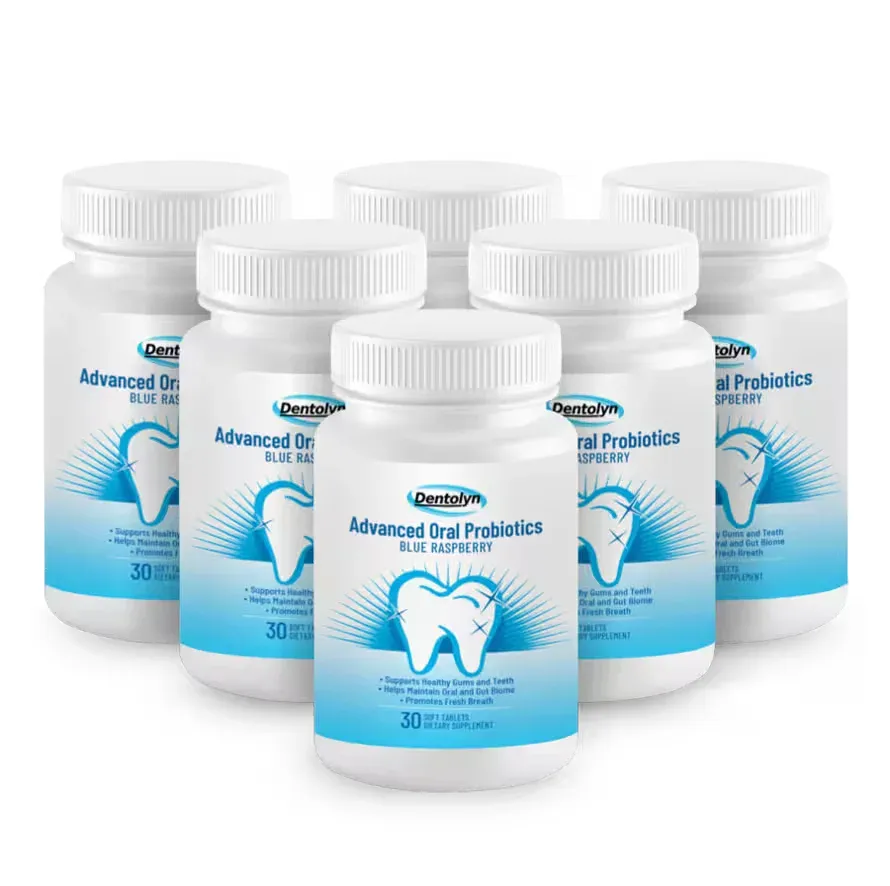
Take Control of Your Oral Health Today!
Don't let gum disease compromise your smile or your overall health. Dentolyn offers a natural, scientifically-backed approach to supporting gum health, designed to work in harmony with your body.
- ✓ Supports Healthy Gums & Teeth
- ✓ All-Natural Ingredients
- ✓ Promotes a Balanced Oral Microbiome
- ✓ Manufactured in a GMP Certified Facility
- ✓ Non-GMO, Gluten-Free, Soy-Free




Hear From Our Satisfied Customers
"I was so worried about my bleeding gums. After incorporating Dentolyn into my routine for a few weeks, I noticed a significant difference. My gums feel stronger, and the bleeding has almost completely stopped. I feel so much more confident!"
"Dentolyn has been a game-changer for my oral health. I've tried many different things for my chronic bad breath and gum sensitivity, but this is the first supplement that truly made a noticeable impact. My dentist even commented on the improvement!"
"As someone focused on natural wellness, I appreciate Dentolyn's all-natural approach. I've been using it for three months, and my gums look healthier, feel less inflamed, and I haven't had any of the usual discomfort. Highly recommend for anyone looking to support their gum health naturally."
Frequently Asked Questions
What are the early signs of gum disease?
+The earliest signs of gum disease, known as gingivitis, often include red, swollen, or tender gums that may bleed easily when you brush or floss. You might also notice persistent bad breath and a receding gum line. These symptoms are crucial to recognize early, as gingivitis is reversible with proper oral hygiene and timely intervention.
Can gum disease be reversed naturally?
+Gingivitis, the initial stage of gum disease, is often reversible through diligent oral hygiene practices, including regular brushing and flossing, using natural mouthwashes, and adopting a nutrient-rich diet. However, once gum disease progresses to periodontitis, it cannot be fully reversed, but its progression can be managed and halted with professional dental care and consistent natural supportive methods to prevent further damage.
How does diet impact gum health?
+Diet plays a significant role in gum health. Foods rich in vitamins C, D, and K2, antioxidants, and anti-inflammatory compounds can strengthen gum tissue, reduce inflammation, and support immune function. Conversely, diets high in sugar and refined carbohydrates can fuel harmful oral bacteria, increasing plaque formation and inflammation, which contributes to gum disease. A balanced, whole-food diet is crucial for a healthy oral microbiome.
Is Dentolyn safe to use with other medications?
+Dentolyn is formulated with natural ingredients generally recognized as safe. However, if you are currently taking medications or have underlying health conditions, it is always recommended to consult with your healthcare provider or dentist before starting any new supplement regimen, including Dentolyn, to ensure there are no potential interactions or contraindications. Your doctor can provide personalized advice based on your health profile.
How long does it take to see results with natural prevention methods?
+The time it takes to see results from natural gum disease prevention methods can vary depending on the severity of your initial condition, the consistency of your efforts, and individual physiological responses. For gingivitis, improvements in bleeding and inflammation can often be noticed within a few weeks of consistent, improved oral hygiene and dietary changes. For more advanced stages, managing symptoms and halting progression is a longer-term commitment, requiring sustained effort and possibly professional intervention alongside natural methods.
What is the oral microbiome, and why is it important for gum health?
+The oral microbiome refers to the diverse community of microorganisms, including bacteria, fungi, and viruses, that reside in your mouth. A balanced oral microbiome, with a healthy ratio of beneficial to harmful microbes, is essential for gum health. When this balance is disrupted, harmful bacteria can proliferate, leading to plaque buildup, inflammation, and eventually gum disease. Supporting a healthy oral microbiome through diet and specific ingredients can significantly contribute to preventing and managing gum issues.
Related Articles
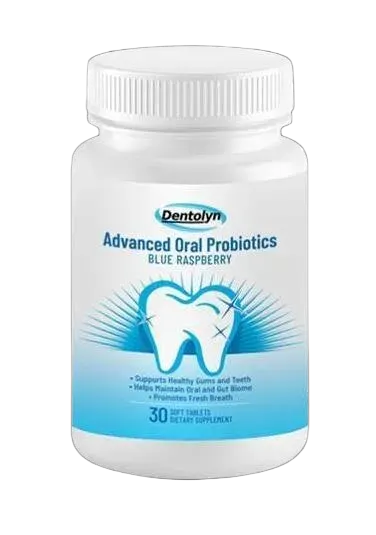
Invest in Your Gum Health Today
Don't wait for gum disease to progress. Dentolyn's all-natural formula supports healthy gums, a balanced oral microbiome, and stronger teeth from the inside out. Join thousands who have made the switch to proactive oral care.
- ✓ Supports Healthy Gums & Teeth
- ✓ All-Natural Ingredients
- ✓ Promotes a Balanced Oral Microbiome
- ✓ Manufactured in a GMP Certified Facility
- ✓ Non-GMO, Gluten-Free, Soy-Free