Could Your Gums Be Hiding a Threat to Your Heart?
It might sound surprising, but the health of your mouth, particularly your gums, has a far greater impact on your overall well-being than you may realize. Beyond fresh breath and a confident smile, your oral health holds a crucial connection to one of the body's most vital organs: your heart.
For too long, dentistry and cardiology have operated as separate fields, but a growing body of scientific evidence is revealing a powerful and undeniable link between poor oral hygiene and an increased risk of cardiovascular disease. This connection is often driven by systemic inflammation and the spread of oral bacteria throughout the body.
The Hidden Link: How Oral Health Impacts Your Heart
Understanding the intricate pathways through which your mouth's condition can influence your cardiovascular system is the first step toward better preventive care.
The primary connection between your oral health and heart disease lies in inflammation. Chronic inflammation is a known contributor to many systemic diseases, including cardiovascular conditions. When you suffer from gum diseases like gingivitis or periodontitis, your gums become inflamed, red, swollen, and often bleed easily. This inflammation isn't confined to your mouth; it can become a systemic issue, affecting your entire body.
Bacteria from your mouth can also enter your bloodstream, especially if you have bleeding gums. Once in the bloodstream, these bacteria can travel to other parts of the body, including the heart and arteries. They can attach to fatty plaques in the arteries, a condition known as atherosclerosis, which is the hardening and narrowing of arteries. This buildup of plaque can lead to blockages, increasing your risk of heart attack and stroke. Some studies have even found oral bacteria directly within the arterial plaques of individuals with heart disease.
Furthermore, the immune system's response to oral infections can exacerbate existing heart conditions. The inflammatory molecules released during gum disease can contribute to blood clot formation, elevate blood pressure, and impair the function of blood vessels, all of which are detrimental to cardiovascular health. It's a complex interplay where poor oral hygiene acts as a constant source of stress and inflammation for your entire system.
💡 Key Takeaway
Chronic inflammation and the spread of oral bacteria from gum disease are major factors linking poor oral health directly to an increased risk of cardiovascular diseases like atherosclerosis, heart attacks, and strokes.
Key Oral Health Conditions and Their Heart Impact
Not all oral issues carry the same risk. Understanding which conditions pose the greatest threat to your heart can help prioritize your dental care.
The most significant oral health condition linked to heart disease is periodontitis, often referred to as advanced gum disease. This condition occurs when the initial inflammation of gingivitis is left untreated, leading to the destruction of the soft tissue and bone that support your teeth. Pockets form between the teeth and gums, which become breeding grounds for harmful bacteria. These bacteria, along with the chronic inflammatory response they provoke, are the primary drivers of the systemic effects on heart health.
While gingivitis is the milder, reversible form of gum disease, if it progresses to periodontitis, the risk escalates. It's crucial to address gingivitis early to prevent its progression. Symptoms like bleeding gums, persistent bad breath, and sensitive teeth are not just minor inconveniences; they are warning signs that your oral health, and potentially your heart health, could be at risk. For more detailed information on gum disease, you can read our article on gum disease stages, symptoms, and natural prevention methods.
Beyond gum disease, other oral infections, such as abscesses or severe tooth decay, can also release bacteria into the bloodstream, contributing to systemic inflammation. While less directly studied in their link to heart disease compared to periodontitis, any chronic infection in the body places a burden on the immune system and can contribute to overall inflammatory processes.
Shared Risk Factors: A Holistic View
Many factors that increase your risk for heart disease also contribute to poor oral health, highlighting the interconnectedness of your body's systems.
Smoking and Tobacco Use
Tobacco products are detrimental to both oral and cardiovascular health. They restrict blood flow to the gums, making them more susceptible to infection and hindering healing. Smoking also significantly increases the risk of gum disease and heart disease by damaging blood vessels and promoting inflammation.
Diabetes
Individuals with diabetes are more prone to infections, including gum disease, which can be more severe and harder to control. Conversely, severe gum disease can make blood sugar control more difficult, creating a vicious cycle that negatively impacts both conditions and increases heart disease risk.
Poor Nutrition
A diet high in sugar and refined carbohydrates can contribute to tooth decay and gum inflammation. Similarly, diets lacking essential nutrients, antioxidants, and anti-inflammatory compounds can weaken the immune system and increase susceptibility to both oral infections and cardiovascular problems.
Stress and Lack of Exercise
Chronic stress can weaken the immune system, making you more vulnerable to infections, including gum disease. A sedentary lifestyle contributes to obesity and poor cardiovascular health, indirectly impacting oral health as well. Managing stress and staying active benefits your entire body, mouth included.
Recognizing the Warning Signs
Being vigilant about both your oral and general health symptoms can help you identify potential problems early and seek timely intervention.
Oral Symptoms to Watch For:
- Bleeding Gums: Especially when brushing or flossing, this is often the first sign of gingivitis.
- Red, Swollen, or Tender Gums: Indicates inflammation and infection.
- Persistent Bad Breath: Can be a sign of bacterial overgrowth and gum disease.
- Receding Gums: Gums pulling away from teeth, making teeth look longer.
- Loose or Shifting Teeth: A sign of advanced periodontitis and bone loss.
- Pus Between Teeth and Gums: A clear indication of infection.
General Health Symptoms Potentially Related:
- Chest Pain or Discomfort: While not directly caused by oral issues, this warrants immediate medical attention and could be exacerbated by systemic inflammation.
- Shortness of Breath: A symptom of heart problems.
- Fatigue: Chronic inflammation can contribute to persistent tiredness.
- Swelling in Ankles, Feet, or Legs: Can indicate heart failure.
If you experience any of these oral symptoms, it's crucial to visit your dentist. If you have cardiovascular symptoms, consult your doctor immediately. Remember, addressing oral health issues can be a proactive step in managing your overall systemic health.
Comprehensive Strategies for Oral & Heart Health
Taking a proactive, multi-faceted approach to your health is key to protecting both your smile and your heart.
Master Your Oral Hygiene Routine
Brush your teeth at least twice a day for two minutes each time, using a soft-bristled toothbrush and fluoride toothpaste. Don't forget to floss daily to remove plaque and food particles from between your teeth and under the gum line where your toothbrush can't reach. Consider an antiseptic mouthwash to further reduce oral bacteria.
Prioritize Regular Dental Check-ups
Visit your dentist for professional cleanings and examinations at least once a year, or more frequently if you have existing gum disease or other risk factors. Early detection and treatment of oral health issues are vital for preventing their progression and potential systemic impact. Your dentist can monitor your gum health and provide personalized advice.
Adopt a Heart-Healthy and Oral-Friendly Diet
Limit sugary snacks and drinks, which feed harmful oral bacteria and contribute to tooth decay. Incorporate plenty of fruits, vegetables, whole grains, and lean proteins into your diet. Foods rich in antioxidants and omega-3 fatty acids can help reduce inflammation throughout your body, benefiting both your gums and your heart. For more natural ways to prevent cavities, check out our guide on natural ways to prevent cavities without fluoride.
Manage Stress and Lifestyle Factors
Chronic stress can weaken your immune system and contribute to inflammation, affecting both oral and heart health. Practice stress-reduction techniques like meditation, yoga, or spending time in nature. Additionally, quit smoking and limit alcohol consumption, as these habits are major risk factors for both gum disease and cardiovascular disease.
Consider Targeted Nutritional Support
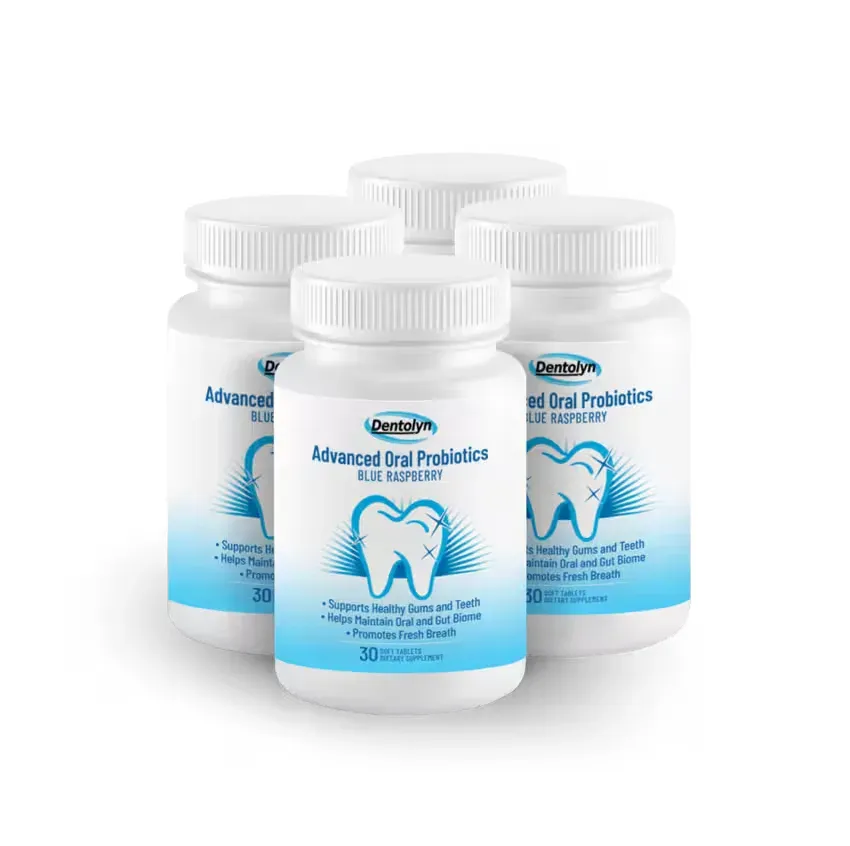
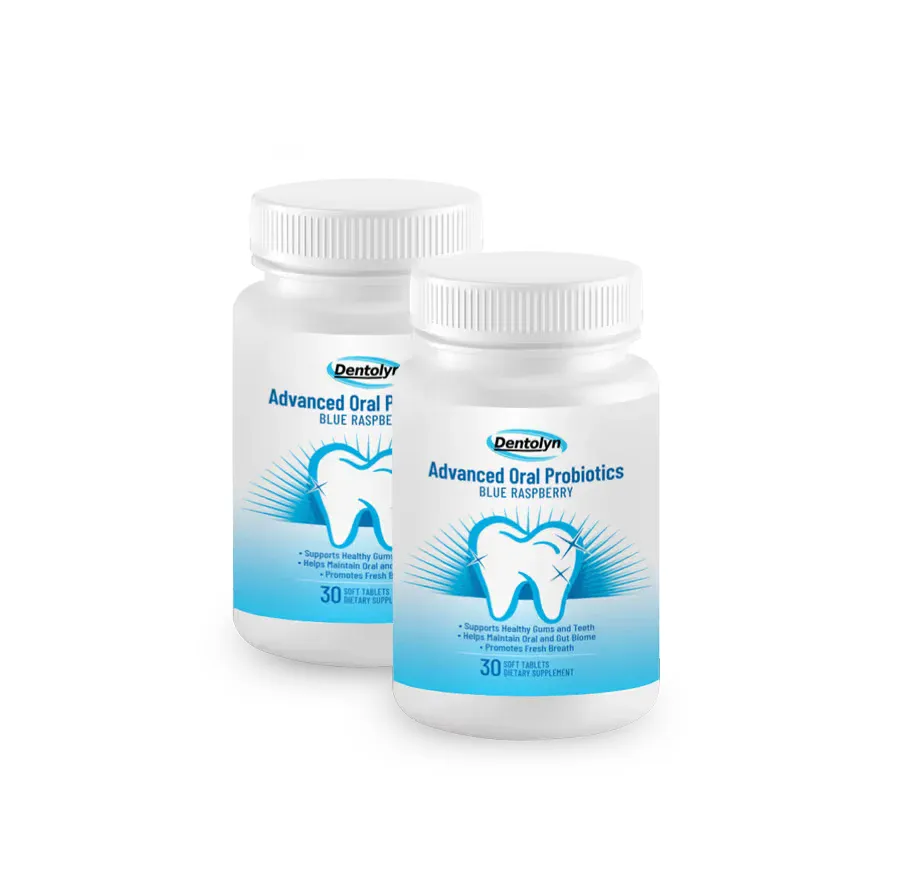
Certain nutrients can play a vital role in maintaining a healthy oral microbiome and supporting gum tissue. While not a substitute for professional care, supplements like Dentolyn, which contain a blend of natural ingredients aimed at oral health, can be a supportive addition to your daily routine. They work to foster a balanced environment in your mouth, which in turn supports overall systemic well-being.
The Role of Diet and Nutrition in Oral & Heart Health
What you eat profoundly impacts your body, from your teeth and gums to your cardiovascular system.
A diet rich in whole, unprocessed foods is fundamental for both oral and heart health. Foods high in sugar and refined carbohydrates create an acidic environment in the mouth, promoting the growth of harmful bacteria that lead to cavities and gum disease. These same foods can contribute to systemic inflammation and weight gain, increasing the risk of heart disease.
Conversely, nutrient-dense foods provide the building blocks and protective compounds your body needs. Antioxidants found in colorful fruits and vegetables (berries, leafy greens, bell peppers) combat oxidative stress and inflammation, benefiting both gum tissue and arterial health. Omega-3 fatty acids, abundant in fatty fish like salmon and mackerel, are powerful anti-inflammatory agents that can help reduce gum inflammation and support cardiovascular function.
Furthermore, adequate intake of Vitamin C is crucial for healthy gum tissue, while Vitamin D and Calcium are essential for strong teeth and bones. Probiotic-rich foods like yogurt and kefir can support a healthy gut microbiome, which in turn can influence the oral microbiome and systemic inflammation. Incorporating ingredients like xylitol, known for its dental benefits, can also be helpful. Learn more about its advantages in our article on xylitol benefits for dental health.
💡 Key Takeaway
A balanced diet rich in antioxidants, omega-3s, and essential vitamins and minerals is crucial for reducing inflammation and supporting the health of both your oral tissues and your cardiovascular system.
Dentolyn: Supporting Your Oral Microbiome Naturally
Dentolyn is formulated with a blend of natural ingredients specifically chosen to support a healthy oral environment and contribute to overall well-being.

Iodine
Role: Essential for thyroid function, which impacts metabolism and cellular health. In oral health, it's recognized for its antiseptic properties, helping to maintain a balanced oral flora and support healthy gum tissue. It contributes to the body's natural defense against harmful bacteria.
Typically 150-200 mcg
Xylitol
Role: A natural sugar alcohol found in many plants, xylitol is widely recognized for its dental benefits. It helps reduce the growth of harmful bacteria in the mouth that cause cavities and gum disease. It also helps neutralize pH levels and encourages saliva production, which protects tooth enamel.
Typically 500mg-1g
Magnesium
Role: A vital mineral involved in over 300 biochemical reactions in the body, including those essential for bone and tooth formation. Adequate magnesium intake supports strong tooth enamel and healthy jawbone density, indirectly contributing to the stability of teeth and gums. It also plays a role in muscle and nerve function.
Typically 200-300mg
Peppermint Extract
Role: Valued for its refreshing properties, peppermint extract also possesses natural antiseptic and antibacterial qualities. It helps to freshen breath by combating odor-causing bacteria and can contribute to a clean and healthy feeling in the mouth. Its soothing properties can also help calm irritated gum tissue.
Typically 50-100mg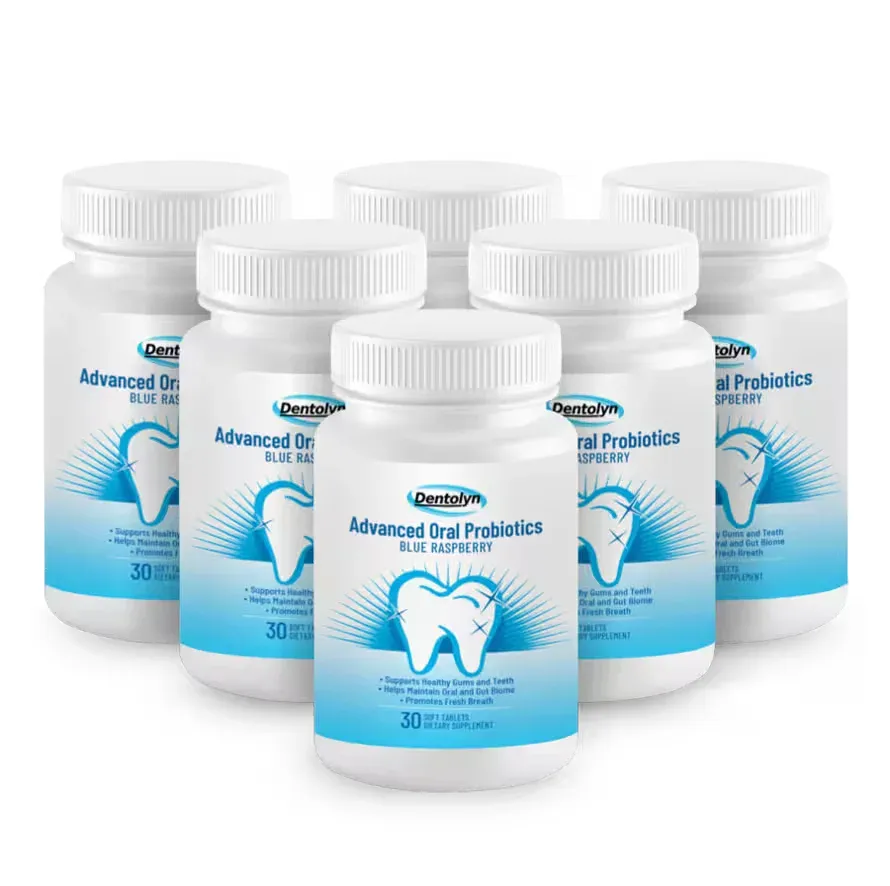
Take Control of Your Oral & Cardiovascular Health Today
Your journey to a healthier mouth and a stronger heart begins with informed choices. Dentolyn offers a unique, natural blend designed to support a healthy oral microbiome, which is crucial for overall systemic well-being, including heart health. Don't let the silent threat of poor oral health compromise your future.
- Supports a balanced oral microbiome
- Aids in healthy gum maintenance
- Contributes to fresh breath and oral comfort
- Made with all-natural, carefully selected ingredients
- Manufactured in a GMP-certified facility for quality assurance




What Our Customers Are Saying
"My gums feel so much healthier, and I've noticed an overall improvement in my mouth. It's a relief to know I'm supporting my body from the inside out, especially after learning about the heart connection."
"I was skeptical at first, but Dentolyn has truly made a difference. My dentist even commented on the improvement in my gum health during my last check-up. Highly recommend for anyone looking for natural oral support!"
"After learning about the connection between oral health and heart health, I started looking for natural solutions. Dentolyn has been fantastic. Easy to use and I feel more confident about my oral hygiene now."
Frequently Asked Questions
How exactly is oral health linked to heart disease?
+Oral health and heart disease are connected primarily through inflammation and the spread of bacteria. Chronic gum diseases like periodontitis cause systemic inflammation, which can contribute to plaque buildup in arteries (atherosclerosis), a major risk factor for heart attacks and strokes. Oral bacteria can also enter the bloodstream, directly impacting the heart.
What specific oral conditions increase heart disease risk?
+Periodontitis, a severe form of gum disease characterized by inflammation, gum recession, and bone loss, is the most strongly linked oral condition to an increased risk of heart disease. Untreated gingivitis, the milder form of gum disease, can progress to periodontitis.
Can improving my oral hygiene reduce my risk of heart disease?
+While improving oral hygiene alone cannot guarantee prevention of heart disease, it plays a significant role. Regular brushing, flossing, dental check-ups, and managing gum disease can reduce systemic inflammation and bacterial load, thereby contributing to better overall cardiovascular health.
What are the best ways to maintain good oral health?
+Key practices include brushing twice daily with fluoride toothpaste, flossing daily, using an antiseptic mouthwash, maintaining a balanced diet low in sugar, avoiding tobacco products, and visiting your dentist for regular check-ups and cleanings.
Is Dentolyn a treatment for heart disease?
+No, Dentolyn is not a treatment for heart disease. It is a dietary supplement designed to support a healthy oral microbiome and gum health using natural ingredients. While a healthy oral microbiome can contribute to overall systemic well-being, Dentolyn should not be considered a substitute for medical treatment or advice for cardiovascular conditions. Always consult with your doctor.
How does Dentolyn support oral health?
+Dentolyn contains a blend of natural ingredients, including specific vitamins, minerals, and plant extracts, chosen for their potential to support healthy gums, balance the oral microbiome, and reduce inflammation. These ingredients work synergistically to create an environment conducive to optimal oral health.
Related Articles
Support Your Oral Health Naturally With Dentolyn
A healthy mouth contributes to a healthy heart. Dentolyn's natural formula supports a balanced oral microbiome, healthy gums, and fresh breath — backed by a 60-day money-back guarantee.