Are you truly feeding your teeth and gums for optimal health?
Many of us focus on brushing and flossing, but often overlook the profound impact our diet has on the strength of our enamel, the health of our gums, and the balance of our oral microbiome. What you eat, and don't eat, plays a critical role in preventing cavities, gum disease, and maintaining a fresh, confident smile.
This comprehensive guide dives deep into the nutritional building blocks for superior oral health, revealing the foods that strengthen, protect, and rejuvenate your mouth from the inside out. Discover how simple dietary changes can lead to long-term dental wellness and a healthier you, complementing your daily oral hygiene routine.
The Foundational Role of Nutrition in Oral Health
Your mouth is the primary entry point for nutrients into your body, making the connection between diet and oral health undeniably strong. Far beyond just aesthetics, a healthy mouth is a cornerstone of overall well-being, influencing everything from digestion to cardiovascular health.
Every bite you take has the potential to either nourish or harm your teeth and gums. Foods rich in certain vitamins and minerals can strengthen tooth enamel, reduce inflammation, and foster a balanced oral microbiome, which is the community of bacteria living in your mouth. Conversely, diets high in sugar and refined carbohydrates create an acidic environment, fueling harmful bacteria that lead to cavities and gum disease. Understanding this fundamental relationship is the first step towards taking proactive control of your dental destiny.
A balanced diet provides the essential building blocks not just for strong bones and muscles, but also for resilient teeth and healthy gum tissue. This isn't just about preventing problems; it's about promoting optimal function and longevity for your entire oral system. From the saliva production crucial for neutralizing acids to the cellular repair of gum tissue, nutrition plays a central, continuous role.
💡 Key Takeaway
A healthy diet is not merely a supplement to oral hygiene; it is an indispensable component, actively shaping the resilience of your teeth and gums, and influencing your overall systemic health.
Top Food Categories for a Radiant Smile
To build a diet that supports optimal oral health, focus on incorporating a wide variety of nutrient-dense foods from these key categories. Each group offers unique benefits that contribute to strong teeth, healthy gums, and a balanced oral environment.
Dairy Products: Calcium & Phosphorus Powerhouses
Milk, cheese, and plain yogurt are excellent sources of calcium and phosphorus, two minerals vital for strengthening tooth enamel. Cheese, in particular, has been shown to neutralize acids in the mouth, increase saliva production, and even repair enamel. These dairy options also contain casein, a protein that forms a protective film over teeth.
Crunchy Fruits & Vegetables: Nature's Toothbrushes
Apples, carrots, celery, and other firm, fibrous produce act as natural toothbrushes, gently scrubbing away plaque and food particles as you chew. Their high water content also stimulates saliva flow, which helps wash away food debris and neutralize harmful acids. Rich in vitamins and antioxidants, they support overall gum health.
Leafy Greens: Vitamins & Minerals Galore
Spinach, kale, and other leafy greens are packed with vitamins and minerals, including calcium, folic acid (B9), and various antioxidants. Folic acid is particularly beneficial for gum health, reducing inflammation and supporting tissue repair. Their high fiber content also contributes to a cleaner mouth.
Lean Proteins: Building Blocks for Oral Tissues
Chicken, fish, eggs, and nuts provide essential phosphorus and protein, crucial for building and repairing oral tissues. Fish, especially fatty fish like salmon, is also a great source of Vitamin D, which helps your body absorb calcium effectively. Plant-based proteins like legumes and tofu also offer beneficial minerals.
Water: The Ultimate Oral Health Elixir
Drinking plenty of water, especially fluoridated water, is one of the simplest yet most effective ways to maintain oral health. It washes away food particles, keeps your mouth hydrated, and prevents dry mouth, which can lead to increased cavity risk. Water also helps dilute acids produced by bacteria.
Nuts & Seeds: Healthy Fats & Micronutrients
Almonds, walnuts, cashews, and sesame seeds are rich in healthy fats, protein, and important minerals like calcium, magnesium, and zinc, all of which contribute to strong teeth and bones. Chewing nuts also stimulates saliva production, aiding in plaque removal and acid neutralization. Just be mindful of sticky varieties.
Essential Nutrients for Optimal Dental Wellness
Beyond food categories, understanding the specific nutrients vital for oral health allows for a more targeted dietary approach. These micronutrients work synergistically to protect and strengthen your teeth and gums.
Calcium and Phosphorus: The Enamel Builders. These two minerals are the primary components of tooth enamel and dentin. Calcium is found abundantly in dairy products, leafy greens, fortified cereals, and some fish. Phosphorus sources include meat, fish, eggs, and nuts. Ensuring adequate intake of both is critical for maintaining strong, decay-resistant teeth. Without sufficient levels, your teeth become more susceptible to acid erosion and cavities.
Vitamin D: The Calcium Absorber. Vitamin D plays a crucial role in helping your body absorb calcium, making it just as important as calcium itself for bone and tooth health. Sunlight exposure is a natural source, but it can also be found in fatty fish, fortified milk, and eggs. A deficiency in Vitamin D can weaken bones and teeth, increasing the risk of dental problems.
Vitamin C: The Gum Protector. This powerful antioxidant is essential for healthy gums and soft tissues in the mouth. It helps produce collagen, a key component of gum tissue, and strengthens blood vessels, which reduces inflammation and bleeding. Citrus fruits, berries, bell peppers, and broccoli are excellent sources of Vitamin C. A severe deficiency can lead to scurvy, a condition characterized by bleeding gums and loose teeth.
Vitamin K2: The Bone Mineralizer. Often overlooked, Vitamin K2 works with Vitamin D to help guide calcium into the bones and teeth, preventing it from depositing in soft tissues. It is found in grass-fed dairy, fermented foods like natto, and certain animal products. Adequate K2 intake contributes to stronger enamel and reduced cavity risk.
Antioxidants: The Inflammation Fighters. Vitamins A, E, and various phytonutrients found in colorful fruits and vegetables act as powerful antioxidants. They combat oxidative stress and inflammation, protecting gum tissues from damage and supporting the body's natural healing processes. Berries, dark leafy greens, and brightly colored vegetables are rich in these protective compounds.
The Oral Microbiome: Your Inner Dental Defense Team
Beyond individual nutrients, the balance of bacteria in your mouth – your oral microbiome – is a critical determinant of oral health. A healthy diet directly influences this delicate ecosystem.
Probiotics for a Balanced Mouth
Foods rich in beneficial bacteria, like plain yogurt, kefir, and fermented vegetables (sauerkraut, kimchi), can introduce helpful microbes into your oral cavity. These probiotics can help crowd out harmful bacteria, reduce plaque formation, and decrease the risk of gum inflammation and bad breath. For a deeper dive into this topic, you might find our article on how gut health affects your teeth and gums particularly enlightening.
Prebiotics for Microbial Support
Prebiotic-rich foods, such as garlic, onions, leeks, and asparagus, feed the beneficial bacteria already present in your gut and mouth. By nurturing these good microbes, you create an environment less hospitable to pathogenic bacteria, further supporting a healthy oral microbiome and reducing the likelihood of dental issues.
Hydration's Role in Microbiome Balance
Adequate water intake is essential for saliva production, which acts as the natural cleanser of your mouth. Saliva not only washes away food particles and neutralizes acids but also contains enzymes and antibodies that help regulate the oral microbiome. Staying hydrated is a simple yet powerful way to support your mouth's natural defenses.
Foods to Limit or Avoid for Optimal Oral Health
Just as certain foods promote oral health, others can actively undermine it. Being mindful of these detrimental choices is crucial for preventing cavities, enamel erosion, and gum disease.
Sugary Foods and Drinks: This is the most notorious culprit. Sugars provide fuel for harmful oral bacteria, which produce acids that demineralize tooth enamel, leading to cavities. This includes obvious culprits like candy, sodas, and pastries, but also hidden sugars in processed foods, sweetened coffee/tea, and even some fruit juices. The frequency of sugar exposure is often more damaging than the quantity, as it keeps your mouth in an acidic state for longer.
Acidic Foods and Drinks: Highly acidic foods and beverages, such as citrus fruits (when consumed excessively without rinsing), tomatoes, pickles, and especially carbonated soft drinks, can directly erode tooth enamel. This erosion makes teeth more sensitive and vulnerable to decay. If you consume acidic items, try to do so with meals, and rinse your mouth with water afterward to neutralize the acids.
Sticky and Chewy Foods: Dried fruits, caramels, and gummy candies tend to cling to teeth, allowing sugar to remain in contact with enamel for extended periods. This prolonged exposure creates an ideal breeding ground for cavity-causing bacteria. If you enjoy these, it's best to eat them as part of a meal and brush/floss soon after.
Refined Carbohydrates: White bread, crackers, and potato chips can break down into simple sugars in the mouth, feeding bacteria and contributing to plaque formation. These starchy foods can also get lodged between teeth, making them difficult to remove and prolonging sugar exposure.
Excessive Alcohol: Alcohol can lead to dry mouth by reducing saliva flow, which is crucial for washing away food particles and neutralizing acids. Chronic dry mouth increases the risk of cavities and gum disease. Additionally, many alcoholic beverages are high in sugar and acid.
By minimizing your intake of these foods and drinks, you can significantly reduce the risk of dental problems and provide a healthier environment for your teeth and gums to thrive. Remember, moderation and good post-consumption habits are key.
💡 Key Takeaway
A proactive approach to oral health involves not only embracing nutrient-rich foods but also diligently limiting sugars, acids, and sticky carbohydrates that fuel dental decay and gum inflammation.
Complementing Your Diet: Targeted Oral Health Support
While a balanced diet is paramount, sometimes our bodies can benefit from targeted nutritional support to ensure optimal oral health, especially when faced with specific deficiencies or ongoing challenges. This is where a high-quality supplement can play a supportive role, working in harmony with your healthy eating habits.

Iodine
Role: Essential for thyroid function, which indirectly impacts metabolic processes including bone and tooth mineralization. It can also help regulate the oral microbiome and support gum health.
Optimal daily intake varies, often 150-250 mcg
Magnesium
Role: Crucial for bone and tooth structure, working alongside calcium and phosphorus. It also supports nerve function and helps reduce inflammation in gum tissues.
Typically 300-400 mg daily
Antioxidant-Rich Green Blends
Role: Provides a concentrated source of vitamins, minerals, and antioxidants (like those found in leafy greens) that combat oxidative stress, reduce inflammation, and support overall cellular health in the mouth and body.
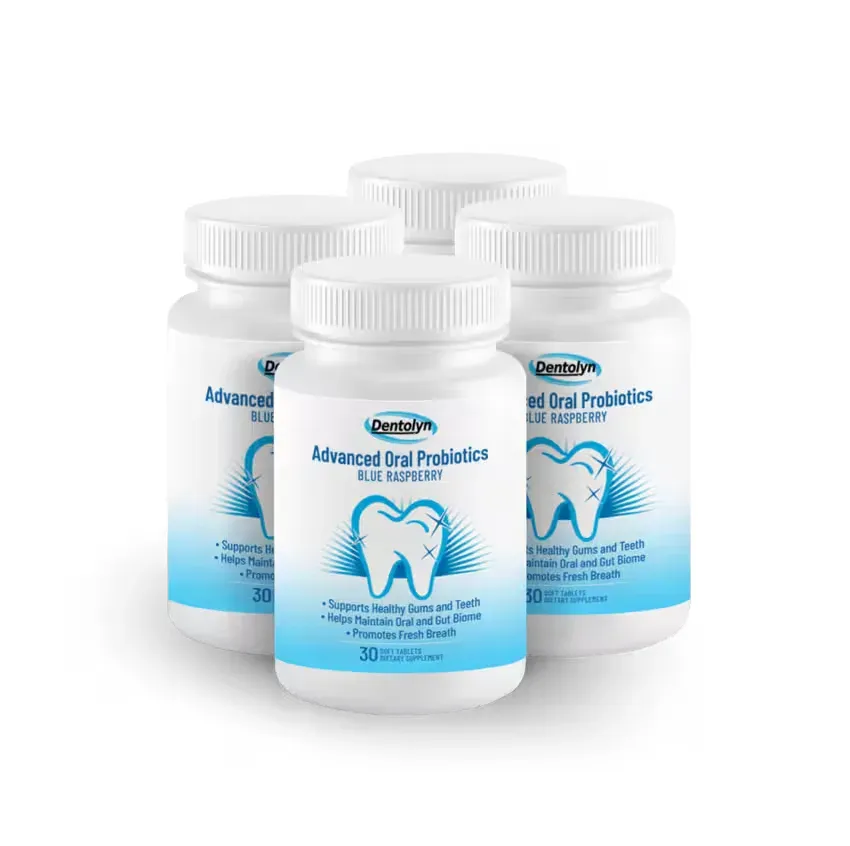
Varies by blend, often 1-2 scoops dailyFor those seeking an all-in-one solution, Dentolyn is formulated with a blend of natural ingredients specifically chosen to support oral health. It's designed to complement your efforts in maintaining a tooth-friendly diet, offering an additional layer of protection for your teeth and gums. You can learn more about its benefits and how it can fit into your routine by visiting the best oral health supplement guide.
Crafting Your Oral Health Diet Plan: Practical Tips
Integrating these principles into your daily life doesn't have to be complicated. With a few practical adjustments, you can create a diet that consistently nurtures your teeth and gums.
Plan Ahead for Meals and Snacks: Having healthy options readily available prevents reaching for sugary or processed foods when hunger strikes. Prepare portioned snacks like cheese sticks, carrot sticks, or a handful of almonds. Plan your meals to include a balanced mix of lean proteins, whole grains, and plenty of fruits and vegetables.
Prioritize Water Throughout the Day: Make water your primary beverage. Keep a water bottle handy and sip regularly, especially after meals and snacks. This helps rinse away food particles and maintain optimal saliva production.
Mindful Eating Habits: Chew your food thoroughly to aid digestion and stimulate saliva. Avoid constant snacking, which keeps your mouth in an acidic state. If you must snack, choose tooth-friendly options and consider rinsing with water afterward.
Limit Sugary and Acidic Drinks: If you enjoy these, consume them quickly and preferably with a meal. Use a straw to minimize contact with teeth, and always follow with water. For instance, after enjoying a glass of orange juice, rinse your mouth with water immediately.
Incorporate Fermented Foods: Regularly include probiotic-rich foods like plain yogurt, kefir, or fermented vegetables in your diet to support a healthy oral microbiome. This can be as simple as adding a dollop of yogurt to your breakfast or a side of sauerkraut to your lunch.
Don't Forget Oral Hygiene: While diet is powerful, it's not a substitute for diligent oral hygiene. Continue to brush twice daily with fluoride toothpaste, floss daily, and use mouthwash as recommended by your dentist. Regular dental check-ups are also non-negotiable for comprehensive oral health. You may also be interested in exploring traditional methods like oil pulling for oral health as a complementary practice.
By adopting these habits, you're not just improving your dental health; you're contributing to your overall systemic wellness. A healthy mouth truly reflects a healthy body.
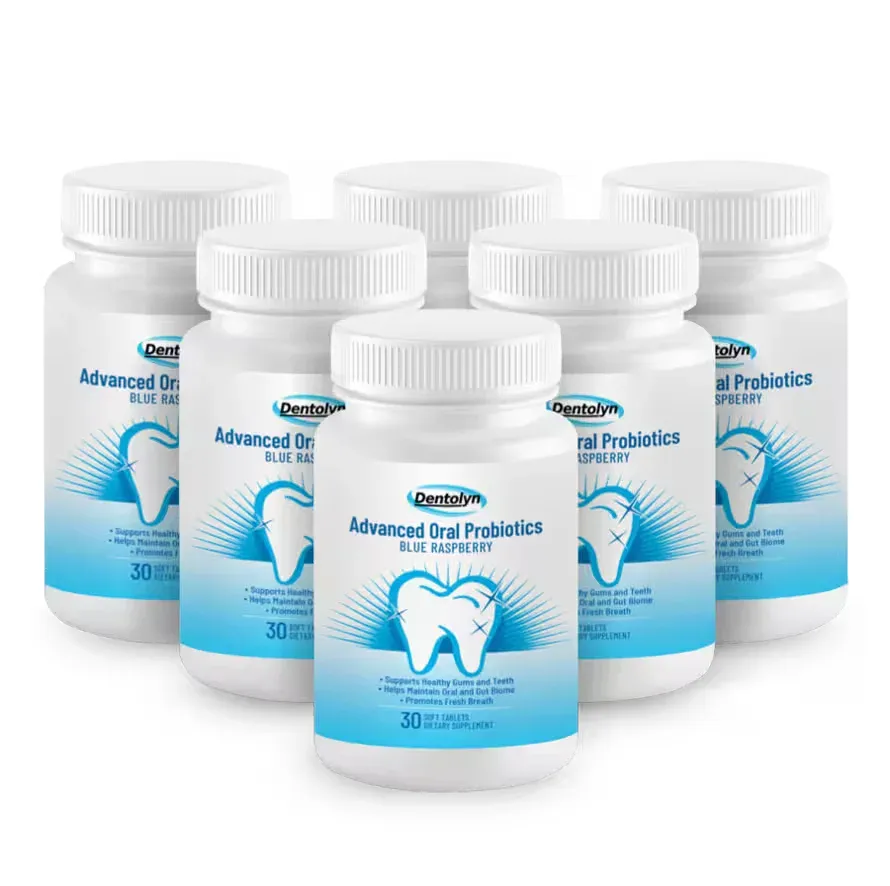
Ready for a Healthier Smile? Enhance Your Diet with Dentolyn.
While a nutritious diet forms the bedrock of oral health, sometimes you need an extra layer of support. Dentolyn is formulated to provide targeted nutrients and natural compounds that work synergistically to support stronger teeth, healthier gums, and a balanced oral microbiome.
- ✓ Supports strong enamel and reduces sensitivity
- ✓ Promotes healthy gum tissue and reduces inflammation
- ✓ Balances the oral microbiome for fresher breath
- ✓ Crafted with 100% natural, science-backed ingredients
- ✓ Made in USA, GMP certified for purity and potency




What Our Customers Say About Dentolyn
"I've struggled with sensitive gums for years, even with a good diet. Dentolyn has made a noticeable difference in reducing inflammation and making my mouth feel genuinely healthier. It's a fantastic addition to my routine."
"My dentist recommended focusing on my diet, and Dentolyn came up as a natural support. My teeth feel stronger, and I've had fewer issues since starting it. Highly recommend for anyone serious about their oral health."
"I was skeptical at first, but after a few weeks, my morning breath improved, and my gums looked much healthier. Coupled with my balanced diet, Dentolyn has been a game-changer for my oral hygiene."
Frequently Asked Questions
What are the absolute best foods for healthy teeth and gums?
+Dairy products (cheese, milk, yogurt), crunchy fruits and vegetables (apples, carrots, celery), leafy greens (spinach, kale), lean proteins (fish, chicken), and water are top choices. They provide essential vitamins, minerals, and fiber that strengthen enamel, stimulate saliva, and reduce harmful bacteria.
Can diet alone prevent all dental problems?
+While a healthy diet is a powerful tool for preventing many dental issues, it's not a standalone solution. Good oral hygiene (brushing, flossing), regular dental check-ups, and a healthy lifestyle are equally crucial for comprehensive oral health.
What nutrients are most important for oral health?
+Key nutrients include Calcium and Phosphorus for strong enamel, Vitamin D for calcium absorption, Vitamin C for gum health, and Vitamin K2 for bone mineralization. Antioxidants found in fruits and vegetables also protect against inflammation.
How does sugar truly affect my teeth?
+Sugar feeds harmful oral bacteria, which then produce acids that erode tooth enamel, leading to cavities. Frequent sugar consumption, especially sticky or slowly dissolving sugars, significantly increases this risk. Reducing sugar intake is vital for dental health.
Is there a connection between gut health and oral health?
+Absolutely. The mouth is the gateway to the gut. A balanced gut microbiome supports a healthy immune system, which in turn helps regulate the oral microbiome. Dysbiosis in either can negatively impact the other, affecting everything from gum inflammation to overall health.
How can supplements like Dentolyn support a tooth-healthy diet?
+While a balanced diet is foundational, supplements like Dentolyn can complement your nutritional intake by providing targeted vitamins, minerals, and compounds that specifically support oral tissue health, enamel strength, and a balanced oral microbiome, acting as an extra layer of protection.
Related Articles
Take the Next Step Toward a Healthier Smile
Give your teeth and gums the daily nutritional support they need. Dentolyn combines clinically studied natural ingredients to strengthen enamel, soothe gums, and freshen breath from within.
- ✓ Supports strong enamel and reduces sensitivity
- ✓ Promotes healthy gum tissue and reduces inflammation
- ✓ Balances the oral microbiome for fresher breath
- ✓ Crafted with 100% natural, science-backed ingredients
- ✓ Made in USA, GMP certified for purity and potency