Can a Simple Swish of Oil Really Transform Your Oral Health?
In the vast landscape of health and wellness, few practices have garnered as much attention and debate as oil pulling. This ancient Ayurvedic ritual, which involves swishing oil in the mouth for an extended period, has been lauded by many as a powerful detoxifier and a natural remedy for a myriad of oral health issues. From banishing bad breath to whitening teeth and even preventing cavities, the claims are compelling, drawing in those seeking natural alternatives to conventional dental care.
But in an age where scientific validation is paramount, the crucial question remains: Does oil pulling for oral health actually work? Or is it merely a well-marketed traditional practice with little modern scientific backing? As we navigate the complex intersection of ancient wisdom and contemporary research, it's essential to critically examine the evidence. This article aims to provide a comprehensive, evidence-based review of oil pulling, exploring its historical roots, proposed mechanisms, and what the latest scientific studies reveal about its efficacy, helping you make informed decisions about your own holistic approach to dental wellness.
The Ancient Roots of Oil Pulling: A Glimpse into Ayurveda
Before diving into scientific studies, understanding the historical context and traditional claims of oil pulling is essential to appreciate its enduring appeal.
Oil pulling, known as "Kavala Graha" or "Gandusha" in ancient Ayurvedic texts, is an integral part of traditional Indian medicine, dating back more than 3,000 years. The Charaka Samhita, a foundational text of Ayurveda, describes the practice as a means to cure approximately 30 systemic diseases, including headaches, diabetes, and asthma, alongside its primary role in oral hygiene. Traditionally, sesame oil was the oil of choice, believed to possess therapeutic properties capable of drawing out "ama" (toxins) from the body.
The core concept behind oil pulling is that oil acts as a solvent, attracting and absorbing lipid-soluble toxins and microorganisms from the oral cavity. Proponents suggest that as the oil is swished around the mouth, it saponifies, meaning it emulsifies and mixes with saliva, allowing it to penetrate and cleanse hard-to-reach areas. This process is thought to literally "pull" bacteria, fungi, and other debris from the teeth, gums, and tongue, reducing the microbial load and promoting a cleaner, healthier mouth. The practice was not just about oral hygiene; it was viewed as a holistic therapy to prevent and treat various systemic ailments, reflecting the Ayurvedic belief in the interconnectedness of oral and overall health. While modern dentistry primarily focuses on mechanical cleaning and fluoride, Ayurveda embraced a more natural, gentle approach to maintaining oral equilibrium.
Over centuries, oil pulling remained a cherished traditional practice, passed down through generations. Its resurgence in recent decades, particularly in Western wellness circles, highlights a growing interest in natural and holistic health solutions. Many individuals are drawn to its simplicity and the promise of a chemical-free path to a brighter smile and fresher breath. However, this renewed popularity also necessitates a rigorous examination through the lens of modern science to determine if these ancient claims hold up under contemporary scrutiny.
💡 Key Takeaway
Oil pulling is an ancient Ayurvedic practice rooted in the belief that swishing oil can detoxify the mouth and body by "pulling" out lipid-soluble toxins and microorganisms. It has been used for millennia for both oral hygiene and systemic health, and its recent popularity underscores a global interest in natural wellness.
The Science Behind the Swish: Separating Fact from Anecdote
Despite its long history, rigorous scientific investigation into oil pulling is relatively recent. Let's delve into what studies have (and haven't) shown.
The primary scientific hypothesis behind oil pulling's oral health benefits centers on its ability to reduce the bacterial load in the mouth. The oral cavity is home to a complex ecosystem of over 700 species of bacteria, fungi, and viruses, collectively known as the oral microbiome. While many of these microorganisms are beneficial, an imbalance, often involving pathogenic bacteria like Streptococcus mutans (a major contributor to tooth decay) and Porphyromonas gingivalis (linked to gum disease), can lead to various oral health problems. Oil, being lipid-soluble, is thought to attract and bind to the fatty outer membranes of these bacteria, effectively pulling them out of the mouth when spit out.
Several studies have explored these claims, primarily focusing on the impact of coconut oil due to its high concentration of lauric acid, a medium-chain fatty acid known for its antimicrobial properties. Lauric acid is believed to react with saliva to form a soap-like substance that cleanses the mouth and inhibits bacterial growth. Research has indicated that oil pulling can lead to a significant reduction in the total number of bacteria in the mouth, particularly S. mutans. For instance, a study published in the Journal of Contemporary Dental Practice found that oil pulling with sesame oil led to a significant reduction in S. mutans count in plaque and saliva of adolescents, comparable to chlorhexidine mouthwash, a potent antiseptic. Another study in the Journal of Clinical and Diagnostic Research reported similar findings with coconut oil, showing its effectiveness in reducing plaque and gingivitis.
However, it's crucial to acknowledge the limitations of current research. Many studies are small-scale, have short durations, or lack robust control groups. The methodologies vary widely, making it challenging to draw definitive, broad conclusions. While some studies show promising results in reducing plaque and gingivitis, the evidence for other claims, such as cavity prevention, tooth whitening, or significant detoxification beyond the oral cavity, remains largely anecdotal or unsubstantiated by high-quality scientific evidence. The American Dental Association (ADA) currently states that there is no reliable scientific evidence to show that oil pulling reduces cavities, whitens teeth, or improves oral health and recommends against its use as a replacement for conventional dental care.
The mechanism of action, while plausible for bacterial reduction, is not fully understood for all the claimed benefits. The "pulling" of toxins from the entire body is a concept that lacks physiological support in modern medicine. Therefore, while oil pulling may offer some adjunctive benefits for oral hygiene, particularly in reducing certain bacterial populations and inflammation, it should be viewed as a complementary practice rather than a standalone solution or a replacement for established dental care routines. Understanding these nuances is key to integrating traditional practices like oil pulling responsibly into a comprehensive oral health strategy.
Claimed Benefits vs. What the Evidence Suggests
Oil pulling enthusiasts often cite a wide array of benefits. Let's examine the most common claims and their scientific standing.
Reduces Harmful Bacteria
Claim: Oil pulling significantly decreases the number of pathogenic bacteria in the mouth, especially Streptococcus mutans, which causes tooth decay.
Evidence: Several studies, particularly those using coconut oil with its lauric acid content, have shown a measurable reduction in bacterial counts in saliva and plaque. This is one of the most consistently supported claims, with effects comparable to some antimicrobial mouthwashes.
Fights Bad Breath (Halitosis)
Claim: By reducing bacteria and volatile sulfur compounds (VSCs), oil pulling can effectively eliminate bad breath.
Evidence: Since bad breath is often caused by bacterial activity in the mouth, studies showing bacterial reduction indirectly support this claim. Some research has directly observed a decrease in VSCs and improved breath freshness, suggesting a positive effect on halitosis.
Reduces Plaque and Gingivitis
Claim: Oil pulling helps remove plaque buildup and alleviate gum inflammation (gingivitis).
Evidence: Multiple studies indicate that regular oil pulling can reduce plaque index and gingival index scores. The mechanical action of swishing, combined with the oil's antimicrobial properties, appears to contribute to these improvements, though it's not a substitute for brushing and flossing.
Whitens Teeth
Claim: Regular oil pulling can naturally whiten teeth by removing stains.
Evidence: This is largely an anecdotal claim. While oil pulling might remove some superficial stains by dislodging plaque and debris, there is no scientific evidence to suggest it has a bleaching effect on teeth or can penetrate enamel to whiten them beyond this surface cleaning. Professional whitening treatments remain the only proven method for significant tooth whitening.
Prevents Cavities
Claim: Oil pulling strengthens teeth and prevents cavities by reducing decay-causing bacteria.
Evidence: While reducing S. mutans is a step towards cavity prevention, there's insufficient evidence to confirm that oil pulling directly prevents cavities. Fluoride, proper brushing, and flossing are scientifically proven methods for cavity prevention. Oil pulling should not be relied upon as a primary cavity preventive measure.
Detoxifies the Body
Claim: Oil pulling draws toxins not just from the mouth, but from the entire body, leading to systemic health benefits.
Evidence: There is no scientific basis or physiological mechanism to support the claim that oil pulling detoxifies the entire body. The mouth is not a direct pathway for systemic detoxification in the manner implied. This claim remains firmly in the realm of traditional belief without modern scientific validation.
How to Practice Oil Pulling Safely and Effectively
If you're considering incorporating oil pulling into your routine, here’s a simple guide to doing it correctly.
Choosing the right oil is the first step. While traditional Ayurveda often uses sesame oil, **cold-pressed organic coconut oil** has become the most popular choice in modern practice, largely due to its pleasant taste and the presence of lauric acid, which has proven antimicrobial properties. Other options include sunflower or olive oil, though coconut oil is generally preferred for its taste and documented benefits. Always ensure the oil is food-grade and preferably organic.
Here’s a step-by-step guide to oil pulling:
- Choose Your Time: The best time to oil pull is in the morning, on an empty stomach, before brushing your teeth or drinking anything. This ensures the oil can interact directly with the oral microbiome without interference from food particles.
- Measure the Oil: Take one tablespoon (approximately 15 ml) of your chosen oil. For beginners, starting with a smaller amount, like a teaspoon, might be more comfortable.
- Swish Gently: Put the oil in your mouth and begin to swish it gently around. Do not gargle or swallow the oil. The goal is to move it through your teeth and gums, allowing it to mix with saliva and emulsify.
- Maintain Duration: Continue swishing for 15 to 20 minutes. This duration is believed to be optimal for the oil to effectively bind with bacteria and toxins. If 20 minutes is too long initially, start with 5-10 minutes and gradually increase as you get used to it.
- Spit It Out: Once the time is up, or if your jaw feels tired, spit the oil into a trash can. **Do NOT spit it into a sink or toilet**, as solidified oil can clog pipes over time. The oil should appear milky or foamy due to the emulsification.
- Rinse Thoroughly: Rinse your mouth thoroughly with warm water, preferably saltwater, to help remove any residual oil and loosened toxins.
- Follow with Routine Oral Care: Brush your teeth as you normally would, and floss. Oil pulling is an adjunct, not a replacement, for your regular dental hygiene routine.
Consistent daily practice is often recommended to observe any potential benefits. While oil pulling is generally safe, it's always wise to consult with your dentist or healthcare provider before incorporating new practices into your oral health regimen, especially if you have underlying dental conditions or sensitivities.
💡 Key Takeaway
To oil pull effectively, use 1 tablespoon of cold-pressed organic coconut, sesame, or sunflower oil for 15-20 minutes on an empty stomach, then spit into a trash can and rinse thoroughly. It should always complement, not replace, regular brushing and flossing.
Potential Risks and When to Exercise Caution
While often touted as a natural and harmless practice, oil pulling does come with a few considerations and potential risks, albeit minor.
Accidental Aspiration
For individuals with compromised swallowing reflexes, such as children or those with certain neurological conditions, there is a risk of accidentally inhaling or aspirating the oil into the lungs. This can potentially lead to lipoid pneumonia, a serious condition.
Jaw Strain or Pain
Swishing oil for 15-20 minutes, especially with vigorous motions, can sometimes lead to jaw fatigue or pain, particularly in individuals with temporomandibular joint (TMJ) disorders. Gentle swishing is key to avoid discomfort.
Allergic Reactions
Although rare, some individuals may experience allergic reactions to the specific oils used, such as sesame or coconut oil. Symptoms could include itching, swelling, or rash in the mouth or throat. Always test a small amount first if you have known allergies.
Digestive Upset
Accidentally swallowing the oil, especially after it has absorbed bacteria and toxins, can potentially lead to digestive upset, nausea, or diarrhea. This is why it's crucial to spit out all the oil and avoid ingestion.
It's important to reiterate that oil pulling is not a substitute for professional dental care. Delaying necessary dental treatments in favor of oil pulling can lead to the progression of serious oral health issues like advanced gum disease or severe cavities, which may then require more extensive and costly interventions. Always maintain regular check-ups, cleanings, and follow your dentist's advice. If you experience any adverse effects while oil pulling, discontinue the practice and consult a healthcare professional.
Oil Pulling: A Complement, Not a Replacement for Modern Dental Care
The consensus among dental professionals is clear: oil pulling can be a beneficial adjunct, but it cannot stand alone as a primary oral hygiene method.
Modern dentistry relies on a foundation of scientifically proven practices: brushing with fluoride toothpaste, daily flossing, and regular professional dental cleanings and check-ups. These methods are specifically designed to mechanically remove plaque and food debris, deliver fluoride to strengthen enamel and prevent cavities, and allow dentists to detect and treat problems early. Fluoride, in particular, has been extensively studied and proven to be highly effective in preventing tooth decay.
Oil pulling, while showing some promise in reducing bacterial load and inflammation, does not offer the same level of comprehensive protection. It does not contain fluoride, cannot physically remove hardened plaque (tartar), or repair existing cavities. Relying solely on oil pulling would leave you vulnerable to dental caries, gum disease, and other oral health complications that modern dentistry is equipped to prevent and treat effectively. Think of oil pulling as an extra step, a bonus for your oral hygiene routine, much like using a specialized mouthwash or tongue scraper. It may enhance the cleanliness of your mouth and contribute to fresher breath, but it should not replace the essentials. For optimal oral health, a balanced approach that integrates the best of traditional practices with the robust science of modern dentistry is paramount. This means continuing your regular brushing, flossing, and dental visits, and then, if you choose, adding oil pulling as a complementary practice to potentially boost your oral hygiene efforts.
Beyond Oil Pulling: A Holistic Approach to Oral Health
True oral health extends far beyond just cleaning your teeth. It's deeply intertwined with your overall well-being, influenced by diet, gut health, and systemic balance.
While practices like oil pulling focus on the immediate oral environment, a truly **holistic approach to oral health** recognizes that the mouth is a mirror of the body. What happens systemically profoundly impacts your teeth and gums. For instance, chronic inflammation in the body can exacerbate gum disease, and nutritional deficiencies can weaken tooth enamel and bone structure. Therefore, optimizing oral health requires a multi-faceted strategy that addresses foundational health.
Diet and Nutrition: The food you eat directly affects your oral microbiome and the strength of your dental structures. A diet rich in whole, unprocessed foods, abundant in vitamins, minerals, and antioxidants, supports healthy gums and strong teeth. Conversely, diets high in sugar and refined carbohydrates feed harmful oral bacteria, leading to acid production that erodes enamel and promotes decay. Essential nutrients like Vitamin D, Calcium, Phosphorus, and Vitamin K2 are critical for bone and tooth mineralization, while Vitamin C is vital for gum health and collagen production. To learn more about these crucial nutrients, read our article on vitamins and minerals essential for strong teeth and gums.
Gut Health and the Oral Microbiome: Emerging research increasingly highlights the intricate connection between gut health and oral health. The gut microbiome, a diverse community of microorganisms in the digestive tract, influences systemic inflammation and immune function, which in turn can impact the oral microbiome. An imbalanced gut can contribute to issues like bad breath, gum inflammation, and even susceptibility to oral infections. A healthy gut supports a balanced oral microbiome, fostering an environment where beneficial bacteria thrive. Explore the fascinating link in our article: how gut health affects your teeth and gums: the oral microbio.
Lifestyle Factors: Stress, smoking, and inadequate sleep can all negatively impact oral health by compromising the immune system and increasing inflammation. Managing stress, quitting smoking, and prioritizing restorative sleep are vital components of a holistic oral care regimen.
Targeted Supplementation: Even with a healthy diet, it can be challenging to obtain optimal levels of every nutrient crucial for oral health. This is where targeted supplementation can play a significant role. A high-quality supplement formulated with research-backed ingredients can provide the essential building blocks to support a balanced oral microbiome, strengthen enamel and gums, and reduce inflammatory responses from within. This proactive approach complements mechanical cleaning and traditional practices like oil pulling, offering a truly comprehensive strategy for maintaining a vibrant, healthy smile. For those struggling with specific oral health concerns like persistent bad breath, exploring specific supplements can be beneficial. Find out more in our guide to the best supplement for bad breath.
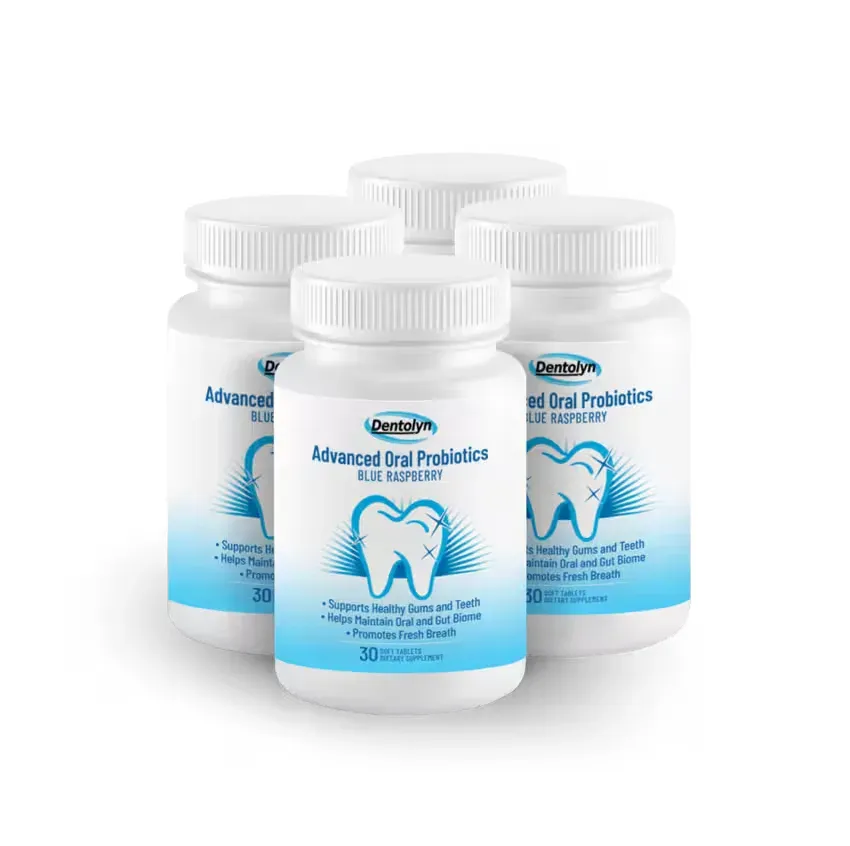
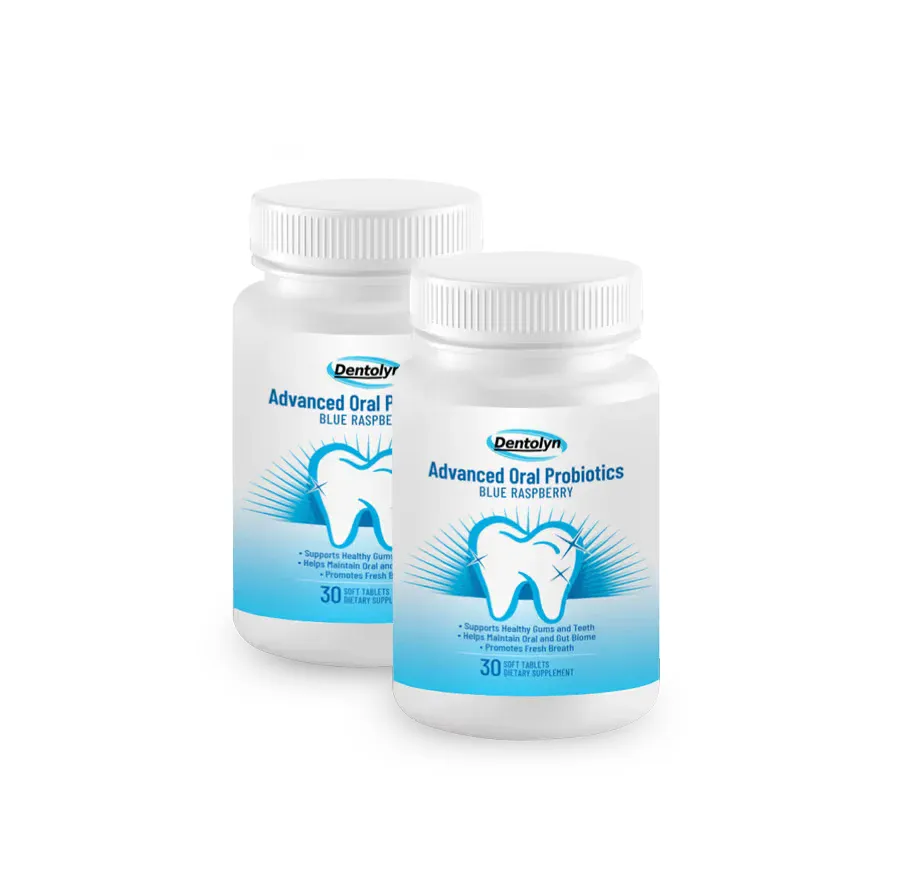
Dentolyn is formulated with this holistic philosophy in mind, aiming to support your oral health not just superficially, but from the inside out, by addressing the nutritional and microbial foundations necessary for a thriving oral environment.
Dentolyn: A Comprehensive Supplement for Foundational Oral Health
While oil pulling can be a valuable addition, achieving truly robust oral health often requires support from within. Dentolyn offers a synergistic blend of ingredients designed to nourish your oral microbiome and strengthen your entire dental system.
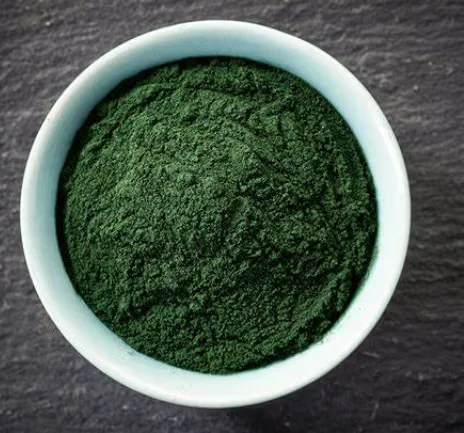
Proprietary Green Powder Blend
Role: Packed with essential vitamins, minerals, and antioxidants, this blend supports overall cellular health, reduces oxidative stress, and provides a rich source of nutrients vital for gum tissue repair and immune function within the oral cavity. It helps create an alkaline environment, unfavorable for acid-producing bacteria.
500mg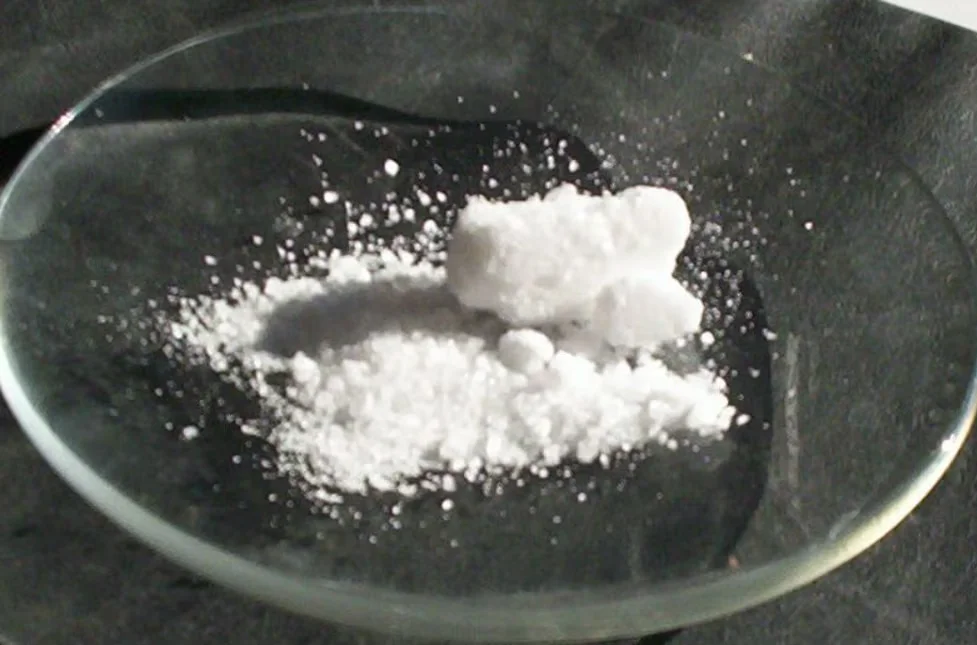
Iodine (as Potassium Iodide)
Role: Beyond its well-known role in thyroid health, iodine possesses potent antimicrobial properties that can help regulate the oral microbiome. It targets harmful bacteria and fungi, reducing their proliferation and contributing to a cleaner, healthier mouth environment, which is crucial for fighting bad breath and gum inflammation.
150mcg
Magnesium Stearate
Role: While primarily used as a flow agent in supplements, magnesium itself is a critical mineral for over 300 biochemical reactions in the body, including bone and tooth formation. It indirectly supports oral health by contributing to overall mineral balance and nerve function, which are essential for healthy dental structures.
10mgVitamin D3 + K2 Complex
Role: These fat-soluble vitamins work synergistically to ensure proper calcium absorption and utilization. Vitamin D3 facilitates calcium absorption, while K2 directs calcium to the bones and teeth, preventing its deposition in soft tissues. This complex is vital for strengthening enamel, supporting bone density in the jaw, and maintaining robust gum health.
D3 5000 IU, K2 100mcg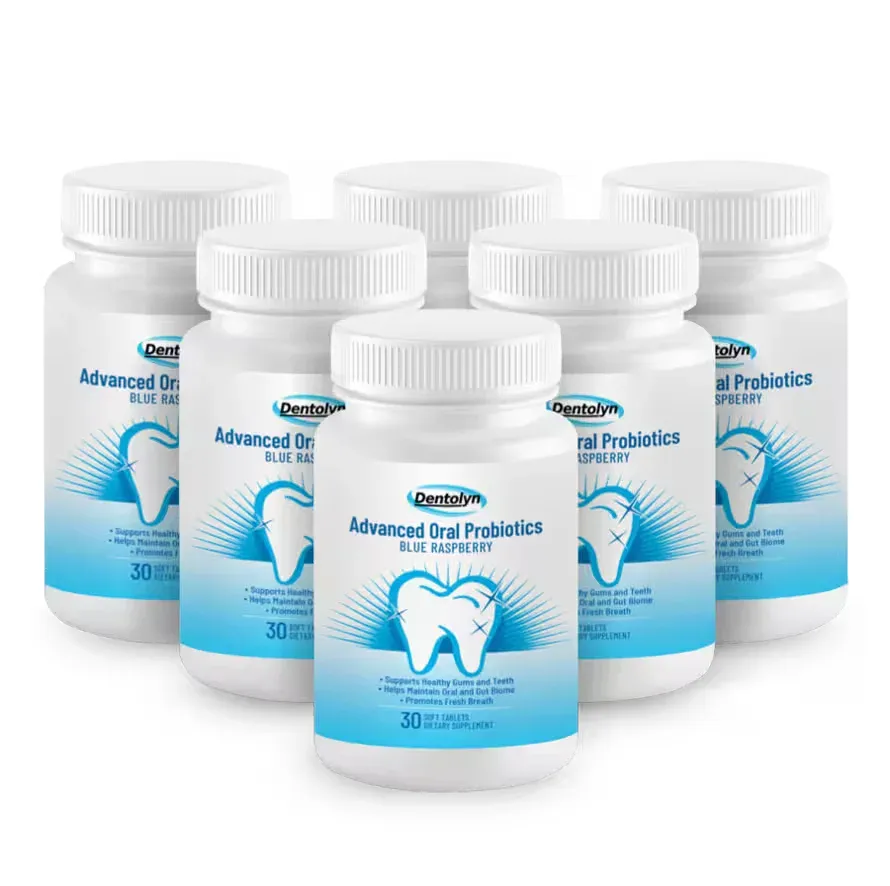
Unlock Your Best Oral Health with Dentolyn
Take control of your oral health journey with Dentolyn, a powerful, all-natural supplement designed to support a balanced oral microbiome, strengthen teeth and gums, and promote overall dental wellness from the inside out. Don't leave your oral health to chance; give your mouth the comprehensive support it deserves.
- ✓ Supports a healthy oral microbiome
- ✓ Strengthens teeth and gums naturally
- ✓ Fights bad breath at its root cause
- ✓ Reduces inflammation and supports gum health
- ✓ Made with 100% natural, scientifically-backed ingredients



What Our Customers Are Saying
"I've been trying oil pulling for years with mixed results. Adding Dentolyn to my routine has made a noticeable difference in my gum health and overall freshness. My dentist even commented on the improvement!"
"My breath used to be a constant worry, even with diligent brushing. Dentolyn, combined with my regular care, has given me so much more confidence. It's truly a game-changer for my oral microbiome."
"As someone who values natural health, Dentolyn fits perfectly into my lifestyle. My teeth feel stronger, and my gums are less sensitive. It's a fantastic complement to my daily routine."
Frequently Asked Questions
What exactly is oil pulling and where did it originate?
+Oil pulling is an ancient Ayurvedic practice that involves swishing a tablespoon of oil (typically coconut, sesame, or sunflower oil) in your mouth for 15-20 minutes, then spitting it out. Its origins trace back over 3,000 years to traditional Indian medicine, where it was believed to cleanse the body and promote oral hygiene by drawing out toxins.
What does modern science say about the effectiveness of oil pulling for oral health?
+While anecdotal evidence abounds, scientific research on oil pulling is still emerging and somewhat limited. Some studies suggest it can help reduce certain oral bacteria, plaque, and gingivitis comparable to some mouthwashes, but its efficacy in preventing cavities or whitening teeth is not strongly supported by current evidence. It's generally considered a complementary practice, not a substitute for brushing and flossing.
Are there any risks or side effects associated with oil pulling?
+Oil pulling is generally considered safe when done correctly. The main risks include accidental aspiration of oil (especially for children or those with swallowing difficulties), jaw pain from prolonged swishing, or allergic reactions to the oil used. It's crucial to spit the oil into a trash can, not down a drain, to prevent plumbing clogs. Always choose high-quality, food-grade oils.
Can oil pulling replace regular brushing, flossing, or dental check-ups?
+Absolutely not. Oil pulling should never replace the foundational practices of oral hygiene: brushing twice daily with fluoride toothpaste, flossing daily, and regular dental check-ups. These methods are scientifically proven to effectively remove plaque, food particles, and prevent cavities and gum disease. Oil pulling may offer additional benefits but cannot stand alone.
What kind of oil is best for oil pulling, and how often should it be done?
+Coconut oil is the most popular choice due to its pleasant taste and lauric acid content, which has antimicrobial properties. Sesame and sunflower oils are also traditionally used. For frequency, most proponents recommend daily oil pulling, often in the morning on an empty stomach, for 15-20 minutes. Consistency is key if you wish to observe any potential benefits.
How does a holistic approach, including supplements like Dentolyn, complement practices like oil pulling for oral health?
+A truly holistic approach to oral health considers diet, gut health, lifestyle, and targeted supplementation alongside mechanical cleaning. While oil pulling focuses on the oral cavity, supplements like Dentolyn aim to provide essential vitamins, minerals, and probiotics that support the oral microbiome from within, strengthen teeth and gums, and reduce systemic inflammation, creating a comprehensive foundation for a healthy mouth and body.
Related Articles
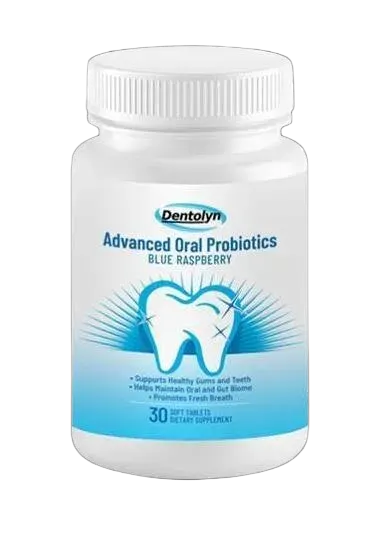
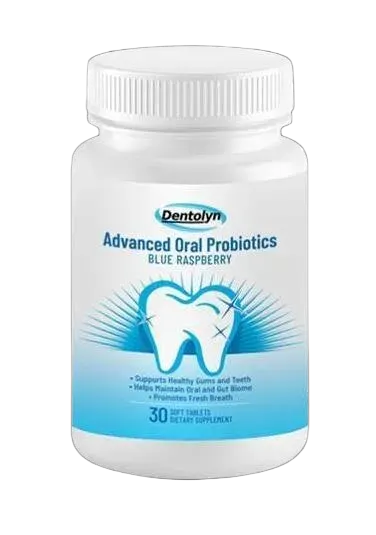
See Why 41,000+ Customers Rate Dentolyn 4.8/5
The reviews are real. The formula is unique. The guarantee is ironclad. Try Dentolyn for up to 60 days — if you are not completely satisfied with the improvement in your oral health, return it for a full refund. No questions asked.