Are Your Gums Receding? Understanding the Causes and Finding Natural Solutions
The health of your gums is paramount to your overall oral well-being, yet many people experience a common and often concerning issue: receding gums. This condition, medically known as gingival recession, occurs when the gum tissue surrounding your teeth pulls back, exposing more of the tooth or even the tooth's root. It's not just a cosmetic concern; receding gums can lead to increased tooth sensitivity, root decay, and, if left unaddressed, even tooth loss.
Understanding the underlying causes of gum recession is the first crucial step toward prevention and effective management. While traditional dental treatments are available, a growing number of individuals are also exploring natural ways to support gum tissue and prevent further recession, focusing on holistic oral care and specific nutritional support, ultimately reclaiming their oral health naturally and confidently.
What Exactly Are Receding Gums? A Deeper Look
Receding gums, or gingival recession, is a gradual process where the gum tissue that surrounds your teeth pulls away, exposing more of the tooth surface, including the root. This exposure can be problematic for several reasons, extending beyond just aesthetics.
Normally, your gums act as a protective barrier for the sensitive roots of your teeth. When this barrier recedes, the underlying dentin and cementum are exposed. These tissues are much softer than enamel and contain microscopic tubules that lead directly to the tooth's nerve. This is why many individuals with gum recession experience increased tooth sensitivity, especially to hot, cold, or sweet foods and drinks. Furthermore, exposed roots are more susceptible to decay, as they lack the protective enamel layer found on the crown of the tooth. Without timely intervention, severe gum recession can weaken the support structures of the teeth, leading to loosening and eventually tooth loss.
It's important to recognize that gum recession is not an overnight phenomenon; it often progresses slowly, making it easy to overlook in its early stages. Regular dental check-ups are crucial for early detection, but being aware of the subtle signs yourself can also make a significant difference in managing the condition before it becomes severe. Signs might include longer-looking teeth, a notch near the gum line, or changes in tooth color due to root exposure.
💡 Key Takeaway
Receding gums expose sensitive tooth roots, leading to pain, decay, and potential tooth loss. It's a progressive condition often overlooked, making early detection and intervention crucial for preserving oral health.
Unmasking the Culprits: Common Causes of Receding Gums
Gum recession rarely has a single cause. More often, it's a combination of factors working together, gradually eroding the delicate gum tissue. Understanding these causes is the first step towards effective prevention and treatment.
One of the most prevalent causes is periodontal disease, an infection of the gums that destroys the soft tissue and bone supporting the teeth. This starts with gingivitis, an inflammation of the gums caused by plaque buildup, and can progress to periodontitis if left untreated. The chronic inflammation and bacterial infection essentially "eat away" at the gum tissue and bone, leading to recession.
Another common mechanical cause is aggressive tooth brushing. Brushing too hard or using a hard-bristled toothbrush can physically damage and wear away gum tissue over time. Many people believe that vigorous brushing leads to cleaner teeth, but in reality, it can be highly detrimental to gum health. The correct technique involves gentle, circular motions with a soft-bristled brush.
Genetics play a significant role as well. Some individuals are simply more prone to gum disease and recession due to inherited factors, regardless of their oral hygiene habits. If your parents or grandparents experienced gum recession, you might have a higher predisposition.
Hormonal changes, particularly in women, can make gums more sensitive and vulnerable to recession. Fluctuations during puberty, pregnancy, and menopause can increase gum sensitivity and susceptibility to periodontal disease, making consistent care even more important during these life stages.
Tobacco use, in any form, is a major risk factor. Smoking and chewing tobacco can dry out the mouth, restrict blood flow to the gums, and impair the immune system's ability to fight off bacterial infections, significantly increasing the likelihood of gum disease and recession.
Bruxism, or teeth grinding and clenching, can put excessive force on the teeth and gums, contributing to gum recession. This often happens unconsciously, especially during sleep, and can lead to gum inflammation and tissue breakdown over time. Similarly, misaligned teeth or an improper bite can cause uneven pressure, leading to recession in areas of excessive stress.
Finally, certain lifestyle factors like poor nutrition can weaken gum tissue and make it more susceptible to disease. A diet lacking essential vitamins and minerals can compromise the body's ability to maintain healthy gums and heal effectively. This is where a holistic approach to oral health, including dietary considerations, becomes critical. Furthermore, oral piercings in the lip or tongue can irritate gum tissue, leading to chronic inflammation and eventual recession at the contact points.
Symptoms & Diagnosis: Recognizing the Signs Early
Early detection of receding gums is key to preventing further damage and implementing effective management strategies. While some signs are subtle, others can be quite noticeable. Being vigilant about your oral health can make a significant difference.
Increased Tooth Sensitivity
This is often one of the first and most common indicators. When gum tissue recedes, the sensitive root surface of the tooth becomes exposed. This can lead to sharp pain or discomfort when consuming hot, cold, sweet, or acidic foods and beverages. The dentin, which covers the root, has tiny tubules leading to the tooth's nerve, making it highly reactive to external stimuli.
Teeth Appearing Longer Than Usual
As the gum line moves away from the crown of the tooth, the tooth itself appears elongated. This is a visual cue that can often be noticed by individuals themselves or by their dental professional during routine check-ups. It's a direct result of the gum tissue pulling back and exposing more of the tooth's surface that was previously covered.
Visible Root Exposure
In more advanced stages, the root of the tooth may become clearly visible. The roots typically have a slightly different color and texture than the enamel-covered crown, often appearing yellowish or darker. This exposure significantly increases the risk of root decay and further sensitivity, as the root surface is softer and more porous than enamel.
A Notch or Indentation at the Gum Line
You might feel or see a small indentation or groove where the tooth meets the gum. This "notch" is often caused by aggressive brushing or other mechanical trauma that has worn away both gum tissue and sometimes a small portion of the tooth structure itself. It's a clear sign of physical damage to the gum-tooth junction.
Bleeding, Swollen, or Red Gums
While not a direct symptom of recession itself, these are signs of gingivitis or periodontal disease, which are primary causes of gum recession. Healthy gums should be pink, firm, and not bleed during brushing or flossing. Any persistent redness, swelling, or bleeding indicates inflammation that needs immediate attention to prevent further gum tissue loss.
Loose Teeth
In severe cases of gum recession, especially when accompanied by bone loss due to advanced periodontal disease, teeth may become loose or shift. This is a critical symptom indicating significant damage to the supporting structures of the teeth and requires urgent professional dental intervention to prevent tooth extraction.
If you notice any of these symptoms, it's crucial to consult your dentist. A dental professional can accurately diagnose the extent of the recession and its underlying causes. They will typically perform a thorough examination, measure the recession with a periodontal probe, and may take X-rays to assess bone loss. Early diagnosis allows for timely intervention, which can halt the progression of recession and protect your teeth for years to come.
Beyond the Dentist's Chair: Natural Ways to Support Gum Tissue
While severe gum recession often requires professional dental procedures like scaling and root planing or gum grafting, there are numerous natural strategies you can adopt to support existing gum tissue, reduce inflammation, and prevent further recession. These methods focus on improving overall oral hygiene, enhancing nutrition, and adopting healthier lifestyle habits.
1. Gentle Yet Effective Oral Hygiene
This is the cornerstone of gum health. It's not about brushing harder, but smarter. Use a soft-bristled toothbrush and brush gently in circular motions, paying attention to the gum line. Avoid aggressive scrubbing, which can actually cause more recession. Brush twice a day for at least two minutes, and don't forget to clean your tongue. Flossing daily is equally crucial to remove plaque and food particles from between teeth and under the gum line, areas your toothbrush can't reach. Consider an antiseptic mouthwash or a natural rinse, but be mindful of alcohol content which can be drying.
2. Nutrient-Rich Diet for Strong Gums
Your diet plays a profound role in the health of your gums. A diet rich in anti-inflammatory foods and essential nutrients can strengthen gum tissue and boost your body's healing capabilities. Incorporate plenty of fruits and vegetables, especially those high in Vitamin C (citrus fruits, bell peppers, broccoli) and antioxidants. Vitamin C is vital for collagen production, a key component of gum tissue. Vitamin D and K2 work synergistically to support bone health and reduce inflammation, both critical for healthy gums. Calcium and magnesium are also important for strong teeth and jawbone. For a deeper dive into these crucial nutrients, read our article on Vitamins and Minerals Essential for Strong Teeth and Gums.
3. Herbal Remedies and Natural Rinses
Certain herbs possess anti-inflammatory and antimicrobial properties that can be beneficial for gum health. Green tea, for instance, contains catechins that can help reduce gum inflammation and fight bacteria. A warm rinse with aloe vera juice can soothe irritated gums and promote healing. Some studies suggest that rinsing with diluted essential oils, such as peppermint or tea tree oil (always diluted and never ingested), can help reduce plaque and gingivitis. However, always consult with a dentist or healthcare professional before incorporating new herbal remedies, especially if you have existing conditions.
4. The Practice of Oil Pulling
An ancient Ayurvedic practice, oil pulling involves swishing a tablespoon of oil (like coconut, sesame, or sunflower oil) in your mouth for 15-20 minutes, then spitting it out. Proponents claim it can "pull" toxins and bacteria from the mouth, reducing plaque and inflammation. While scientific evidence is still emerging, many individuals report improved gum health and reduced bad breath. To learn more about this practice and its efficacy, check out our detailed article: Oil Pulling for Oral Health: Does it Actually Work?
5. Stress Management
Chronic stress can weaken the immune system, making your body more susceptible to infections, including gum disease. Stress can also exacerbate habits like teeth grinding (bruxism). Incorporating stress-reducing activities like meditation, yoga, regular exercise, or deep breathing exercises can have a positive ripple effect on your overall health, including your gums.
6. Quit Smoking and Limit Alcohol
Smoking is one of the most significant risk factors for gum disease and recession. It impairs blood flow to the gums, making them more vulnerable to infection and hindering their ability to heal. Quitting smoking is one of the best things you can do for your oral and overall health. Excessive alcohol consumption can also contribute to dry mouth and irritate gum tissues, so moderation is key.
7. Addressing Bruxism and Misaligned Teeth
If you grind or clench your teeth, especially at night, consider wearing a night guard. Your dentist can custom-fit one for you. For misaligned teeth, orthodontic treatment might be necessary to correct the bite and reduce undue pressure on specific gum areas. These interventions can prevent the mechanical trauma that contributes to recession.
8. Regular Dental Check-ups
Even with the best at-home care, regular professional dental cleanings and check-ups are indispensable. Your dentist can remove hardened plaque (tartar) that regular brushing can't, identify early signs of recession, and provide personalized advice and treatment plans. They can also monitor the progression of any existing recession and recommend appropriate interventions.
By integrating these natural approaches into your daily routine, you can create a supportive environment for your gums, helping to prevent further recession and maintain a healthier, more vibrant smile. Remember, consistency and patience are vital when pursuing natural health improvements.
Essential Nutrients for Optimal Gum Health
Beyond basic oral hygiene, what you put into your body significantly impacts the resilience and health of your gum tissue. Certain vitamins and minerals are absolute powerhouses when it comes to supporting strong, healthy gums and fighting inflammation.
Vitamin C (Ascorbic Acid)
Crucial for collagen synthesis, Vitamin C helps maintain the integrity of gum tissue. It's a powerful antioxidant that reduces inflammation and helps protect against oxidative damage caused by bacteria. A deficiency can lead to bleeding gums and increased susceptibility to periodontal disease.
Vitamin D
Essential for calcium absorption and bone density, Vitamin D also possesses anti-inflammatory properties that can help reduce gum inflammation. It plays a role in innate immunity, bolstering your body's defense against oral pathogens. Sufficient levels are linked to a lower risk of periodontitis.
Vitamin K2
Often overlooked, Vitamin K2 works with Vitamin D to direct calcium to the bones and teeth, preventing its accumulation in soft tissues. It's important for maintaining healthy bone density in the jaw, which supports your teeth and, by extension, your gums.
Calcium & Magnesium
These minerals are fundamental building blocks for strong teeth and the alveolar bone that anchors them. Magnesium aids in calcium absorption and bone mineralization. A balance of these minerals is vital for maintaining the structural integrity of your oral cavity.
Zinc
An important trace mineral, Zinc supports immune function and wound healing. It's involved in the repair of oral tissues and has antimicrobial properties, helping to control bacterial growth in the mouth and reduce the risk of gum infections.
Coenzyme Q10 (CoQ10)
This powerful antioxidant and energy producer is found naturally in the body. Studies suggest CoQ10 can significantly reduce gum inflammation and bleeding in individuals with gingivitis and periodontitis, promoting cellular repair in gum tissues.
Ensuring adequate intake of these nutrients through diet and, if necessary, high-quality supplements, can provide a robust foundation for resilient gum health. A comprehensive approach that combines diligent oral hygiene with targeted nutritional support offers the best defense against gum recession and its associated problems.
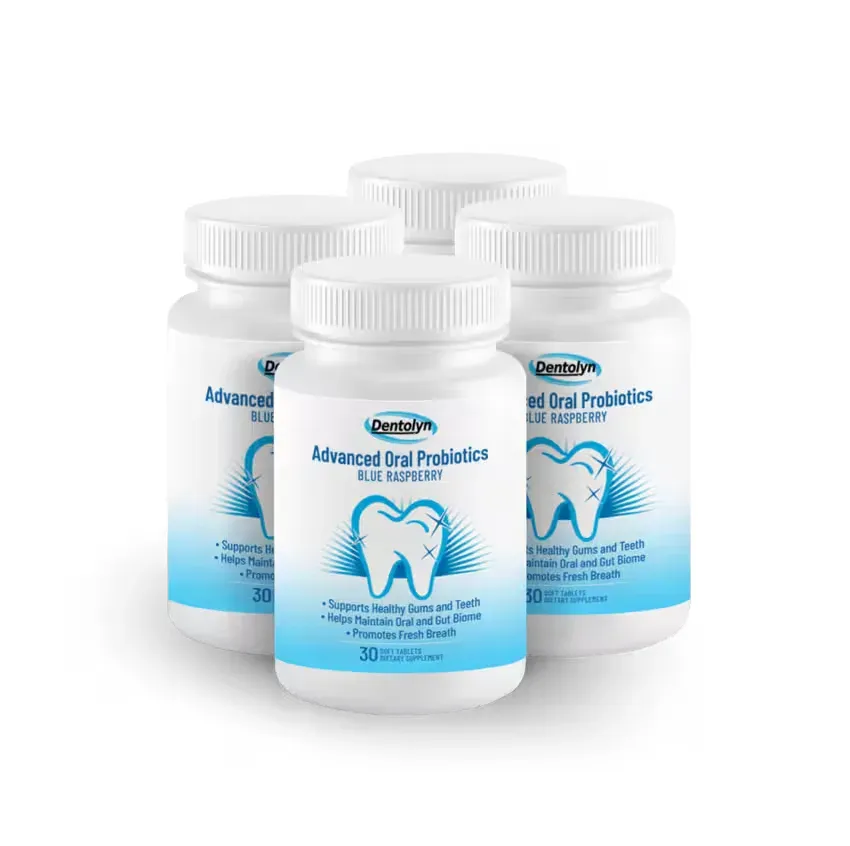
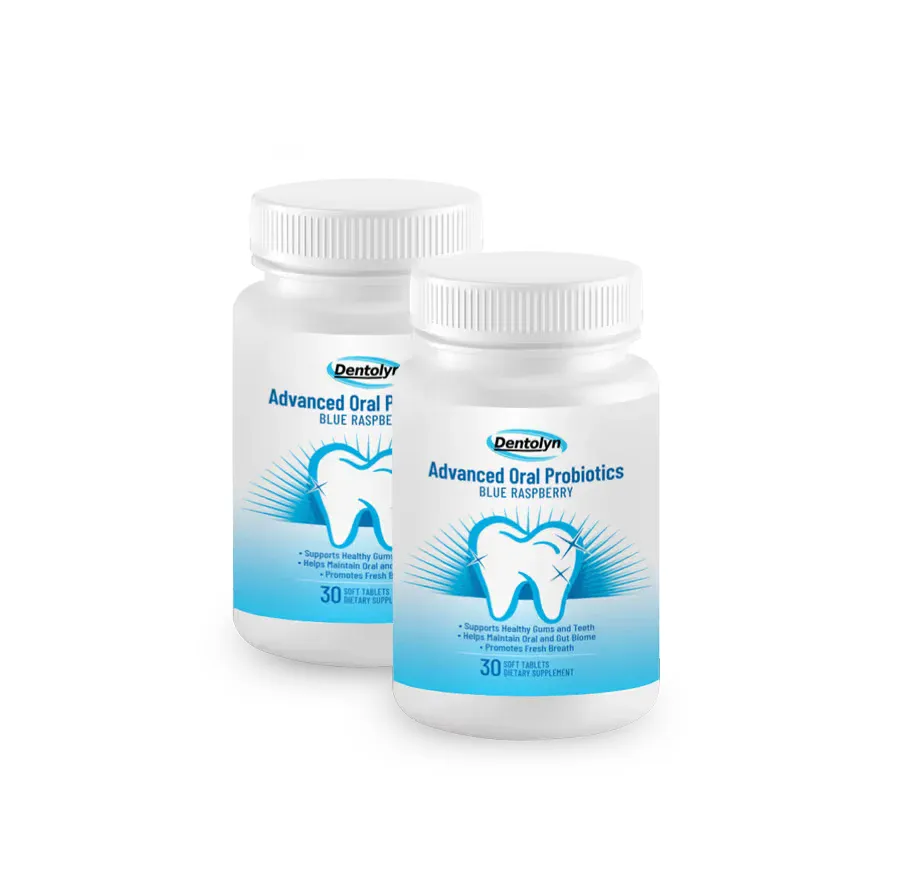
Dentolyn: A Natural Approach to Gum Health Support
In the journey to support gum tissue naturally, many individuals seek targeted solutions that combine powerful, research-backed ingredients. Dentolyn is formulated to provide comprehensive support for gum health, leveraging a blend of natural compounds known for their anti-inflammatory, antimicrobial, and tissue-supporting properties.
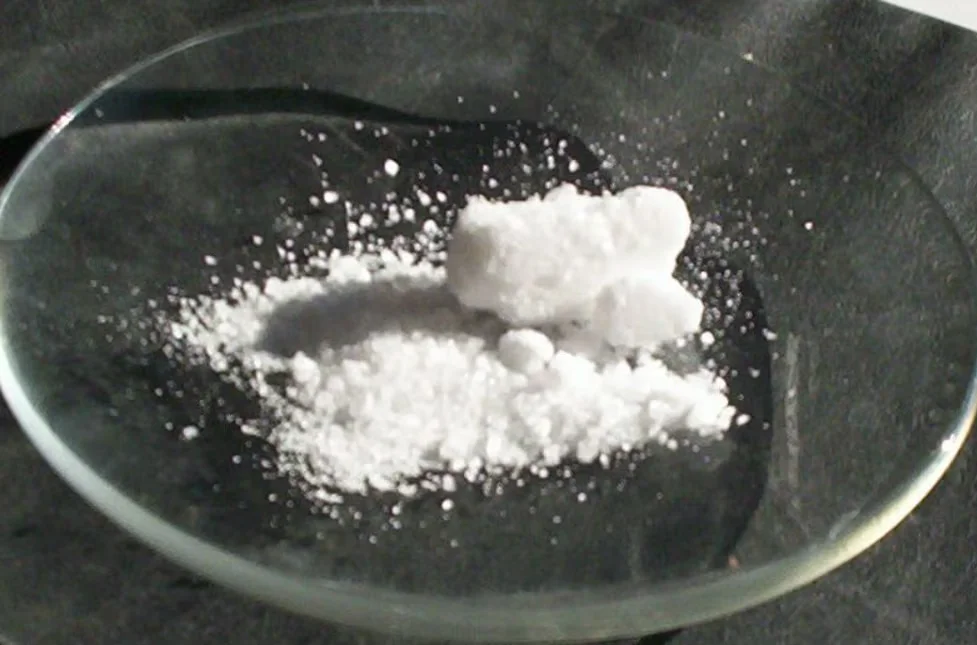
Iodine
Role: Iodine is a potent antiseptic and antimicrobial agent that can help combat harmful bacteria in the mouth. It supports a healthy oral microbiome by reducing the presence of pathogens that contribute to plaque formation, gingivitis, and periodontal disease. Its anti-inflammatory properties can also soothe irritated gum tissues, making it a valuable component in maintaining overall oral hygiene.
Typically 150-300 mcg in supplements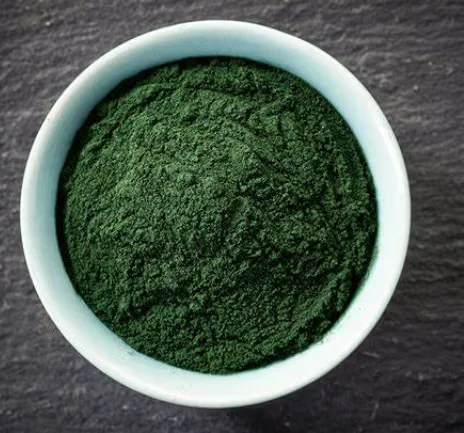
Vitamins & Minerals Blend
Role: Dentolyn often includes a carefully selected blend of essential vitamins and minerals crucial for connective tissue health and immune function. This may encompass Vitamin C for collagen synthesis, Vitamin D for bone and immune support, and minerals like Zinc and Magnesium, which are vital for tissue repair and protection against oxidative stress. These nutrients work synergistically to strengthen gum tissue and enhance the body's natural defense mechanisms against oral infections.
Varies by specific vitamin/mineralHerbal & Botanical Extracts
Role: To further enhance its natural support, Dentolyn incorporates various herbal and botanical extracts known for their benefits to oral health. Ingredients such as green tea extract (rich in antioxidants), turmeric (a powerful anti-inflammatory), and possibly aloe vera or specific essential oil compounds (when formulated safely for ingestion) can contribute to reducing gum inflammation, fighting bacteria, and promoting a healing environment in the mouth. This comprehensive approach addresses multiple facets of gum health.
Proprietary blends for optimal effectBy combining these carefully chosen components, Dentolyn aims to provide a holistic solution for those looking to support their gum tissue naturally. It's designed to complement a diligent oral hygiene routine and a healthy lifestyle, offering an additional layer of protection and nourishment for your gums.
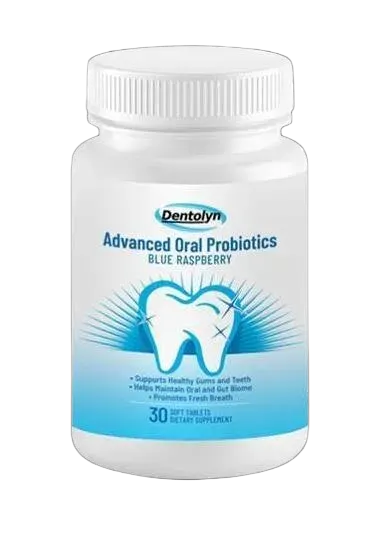
Ready to Support Your Gums Naturally with Dentolyn?
If you're seeking a natural, scientifically-backed way to support your gum health and combat the effects of receding gums, Dentolyn offers a promising solution. Formulated with a blend of potent natural ingredients, Dentolyn is designed to work synergistically with your body to promote healthier gums, reduce inflammation, and protect against further recession.
- ✓ Supports healthy gum tissue regeneration
- ✓ Reduces gum inflammation and bleeding
- ✓ Fights harmful oral bacteria naturally
- ✓ Enhances overall oral microbiome balance
- ✓ Made with 100% natural, high-quality ingredients




What Our Customers Say About Their Gum Health Journey
"I was so worried about my receding gums, but after consistently using Dentolyn and improving my routine, I've noticed a real difference. My gums feel stronger, and the sensitivity has significantly decreased. I'm so relieved to have found a natural solution that works!"
"My dentist recommended I look into supplements to support my gum health, and Dentolyn came highly recommended. I've been taking it for three months, and my gum inflammation is noticeably down. It's truly helped me feel more confident about my smile."
"I've struggled with sensitive teeth due to receding gums for years. Dentolyn, combined with gentle brushing, has made a world of difference. My gums look healthier, and I can enjoy cold drinks again without wincing. Highly recommend for anyone looking for natural gum support!"
Frequently Asked Questions
What exactly are receding gums and why are they a concern?
+Receding gums occur when the margin of the gum tissue surrounding the teeth pulls back or wears away, exposing more of the tooth, or even the tooth’s root. This can lead to gaps between the teeth and gum line, making it easy for disease-causing bacteria to build up. It’s a concern because it can cause increased tooth sensitivity, root decay, bone loss, and eventually, tooth loss if left untreated.
Can receding gums grow back naturally, or is professional treatment always required?
+Unfortunately, gum tissue cannot naturally grow back once it has receded. The gum line itself won't regenerate on its own. However, early intervention can halt further recession and improve the health of existing gum tissue. While severe cases often require professional treatments like gum grafting, many natural approaches and lifestyle changes can help support existing gum tissue, reduce inflammation, and prevent further recession, thereby preserving your oral health.
What are the most common causes of gum recession that I should be aware of?
+Gum recession has several common causes, including aggressive tooth brushing, poor oral hygiene leading to periodontal disease (gingivitis and periodontitis), genetic predisposition, hormonal changes, tobacco use, teeth grinding (bruxism), misaligned teeth, and even certain oral piercings. Identifying and addressing the specific cause is crucial for effective management and prevention.
What are some effective natural ways to prevent further gum recession and support gum tissue?
+Effective natural strategies include maintaining impeccable but gentle oral hygiene (soft-bristled brush, proper flossing), adopting a nutrient-rich diet with ample vitamins C, D, K2, calcium, and antioxidants, managing stress, quitting smoking, and addressing teeth grinding. Certain herbal rinses and supplements designed for oral health can also provide supportive benefits to gum tissue and reduce inflammation, complementing your routine.
Is Dentolyn safe to use alongside my regular oral hygiene routine?
+Dentolyn is formulated with natural ingredients and is generally considered safe for use as a dietary supplement. It's designed to complement your daily oral hygiene practices, not replace them. As with any supplement, if you have existing medical conditions, are pregnant or nursing, or are taking other medications, it's always recommended to consult with your dentist or healthcare provider before incorporating Dentolyn into your routine to ensure it's appropriate for your individual needs.
How long does it typically take to see results when using natural methods or supplements like Dentolyn for gum support?
+The timeline for seeing results can vary significantly depending on the individual, the severity of the gum recession, and consistency of application. While some individuals might notice improvements in gum health, reduced sensitivity, or less inflammation within a few weeks, more significant and lasting changes typically require consistent effort over several months. Natural methods work gradually by supporting the body's healing processes, so patience and persistence are key.
Related Articles
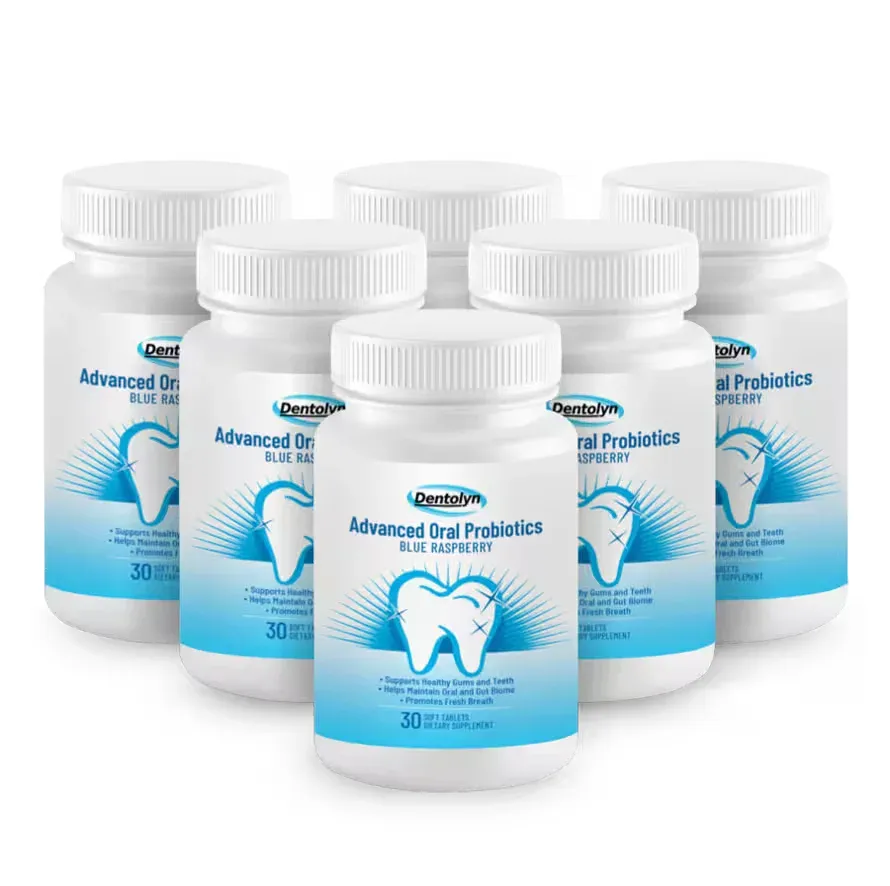
Invest in Your Oral Health Today
Dentolyn provides comprehensive oral health support with clinically studied natural ingredients. Join 41,000+ satisfied customers and experience the difference. Backed by a 60-day money-back guarantee.