Are you truly nurturing your mouth's natural defenses?
For decades, dental care has focused on eradication – brushing away, flossing out, and drilling away anything deemed "bad." While essential, this approach often overlooks a crucial aspect of oral health: the intricate ecosystem of microorganisms living in your mouth, known as the oral microbiome. Far from being sterile, your mouth is a bustling city of billions of bacteria, fungi, and viruses, some of which are vital allies in maintaining your dental well-being.
Understanding and supporting this delicate balance is the key to unlocking a new era of proactive dental care. This article delves into the fascinating world of oral probiotics, exploring how these beneficial bacteria can protect your teeth and gums, reduce the risk of common oral diseases, and contribute to your overall health, offering a gentle yet powerful strategy for a naturally resilient smile.
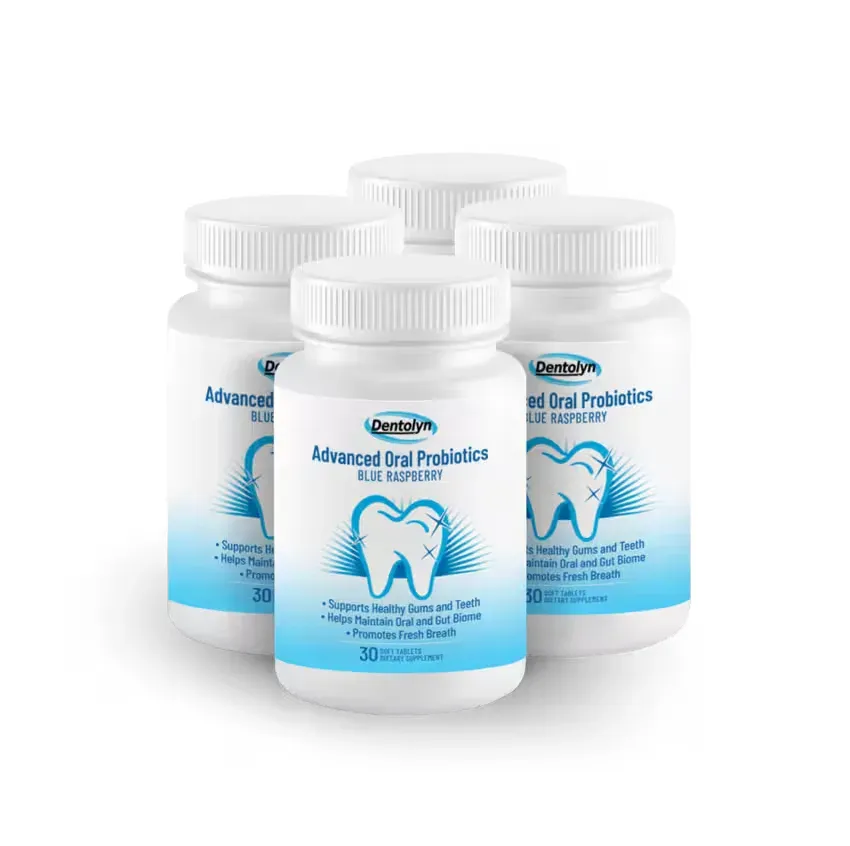
The Oral Microbiome: Your Mouth's Invisible Ecosystem
Before we dive into how probiotics can help, it's essential to understand the complex world within your mouth. Your oral cavity is home to one of the body's most diverse microbial communities, second only to the gut. This community, collectively known as the oral microbiome, consists of hundreds of different species of bacteria, along with fungi, viruses, and protozoa, all coexisting in a dynamic equilibrium.
A healthy oral microbiome is characterized by a rich diversity of beneficial bacteria that perform crucial functions, such as aiding digestion, modulating the immune system, and protecting against pathogens. These "good" bacteria help maintain a stable environment, preventing the overgrowth of harmful microbes that can lead to disease. When this balance is disrupted, often by factors like poor diet, inadequate hygiene, stress, or certain medications, the stage is set for oral health problems.
This disruption, known as dysbiosis, allows opportunistic pathogenic bacteria to flourish. These harmful bacteria produce acids that erode tooth enamel, leading to cavities, and release toxins that trigger inflammation in the gums, resulting in gingivitis and eventually periodontitis. They can also contribute to persistent bad breath, or halitosis, and even influence systemic health conditions.
Understanding the oral microbiome shifts our perspective from simply cleaning the mouth to actively nurturing its natural defenses. Instead of just fighting off the bad, we can empower the good, fostering a resilient environment that naturally resists disease. This is where the concept of oral probiotics comes into play, offering a revolutionary approach to preventive dental care.
💡 Key Takeaway
Your mouth hosts a complex ecosystem called the oral microbiome. A balanced microbiome, rich in beneficial bacteria, is crucial for preventing cavities, gum disease, and bad breath. When this balance is disrupted (dysbiosis), harmful bacteria can take over, leading to various oral health issues.
The Silent Threat: When Good Bacteria Go Bad (or Get Outnumbered)
In a perfectly balanced oral microbiome, beneficial bacteria keep pathogenic strains in check. They compete for resources, adhere to surfaces, and even produce antimicrobial compounds that suppress the growth of their harmful counterparts. However, modern lifestyles often tip this delicate balance.
Factors such as diets high in refined sugars and processed foods provide fuel for acid-producing bacteria like Streptococcus mutans, the primary culprit in tooth decay. Poor oral hygiene allows plaque — a sticky biofilm of bacteria — to accumulate, creating an anaerobic environment where disease-causing bacteria thrive. Chronic stress, smoking, excessive alcohol consumption, and even certain medications (like antibiotics, which can indiscriminately kill good bacteria alongside bad) can further destabilize the oral ecosystem.
When dysbiosis takes hold, the consequences extend beyond a simple toothache. The persistent inflammation associated with gum disease, for instance, has been linked to systemic conditions such as heart disease, diabetes, and even neurological disorders. This highlights the profound connection between oral health and overall well-being, underscoring the importance of maintaining a healthy oral microbiome not just for your teeth, but for your entire body. For more on this broader connection, you might find our article on how gut health affects your teeth and gums particularly enlightening.
The goal, therefore, isn't to sterilize the mouth – an impossible and undesirable feat – but rather to restore and maintain a robust population of beneficial bacteria. This is where targeted interventions, such as the introduction of oral probiotics, offer a promising avenue for supporting your mouth's natural defense mechanisms and reversing the tide of dysbiosis.
How Good Bacteria Protect Your Teeth and Gums
Oral probiotics introduce specific strains of beneficial bacteria into your mouth, where they get to work in several powerful ways to safeguard your oral health. Their protective mechanisms are multi-faceted and scientifically supported.
Competitive Exclusion
One of the primary ways oral probiotics work is by simply outcompeting harmful bacteria. They adhere to surfaces in the mouth, like teeth and gums, occupying the limited space and consuming the available nutrients that pathogenic bacteria would otherwise use to thrive. By establishing a strong presence, they essentially "crowd out" the bad guys, reducing their ability to colonize and cause damage.
Acid Neutralization
Many harmful bacteria, particularly those responsible for cavities, produce acids as a byproduct of metabolizing sugars. These acids lower the pH in your mouth, leading to enamel erosion and tooth decay. Certain probiotic strains can help neutralize these acids, either by producing alkaline compounds or by reducing the acid-producing activity of pathogenic bacteria. This helps maintain a healthier pH balance, protecting your enamel.
Production of Antimicrobial Compounds
Some beneficial probiotic bacteria naturally produce antimicrobial peptides and other substances, such as bacteriocins and hydrogen peroxide, that directly inhibit the growth and activity of harmful pathogens. These natural antibiotics act as a defense system, targeting specific disease-causing bacteria without harming the beneficial ones, thus helping to restore microbial balance.
Modulating Immune Response
The oral microbiome is in constant communication with your immune system. Good bacteria can help modulate the immune response, reducing excessive inflammation that is characteristic of gum disease. By calming the immune system, they prevent the chronic inflammatory state that can lead to tissue damage and bone loss around the teeth, promoting healthier gums and supporting the body's natural healing processes.
Disrupting Biofilm Formation
Plaque is a complex biofilm where bacteria aggregate and thrive. Certain probiotic strains have been shown to interfere with the formation and maturation of these pathogenic biofilms. They can weaken the adhesion of harmful bacteria to tooth surfaces and disrupt the structural integrity of existing plaque, making it easier to remove through regular brushing and flossing, and reducing the overall bacterial load.
Freshening Breath
Bad breath (halitosis) is often caused by volatile sulfur compounds produced by certain anaerobic bacteria in the mouth. Oral probiotics can combat bad breath by reducing the populations of these odor-producing bacteria and by creating a more balanced microbial environment. By addressing the root cause of halitosis, they offer a more sustainable solution than temporary mouthwashes.
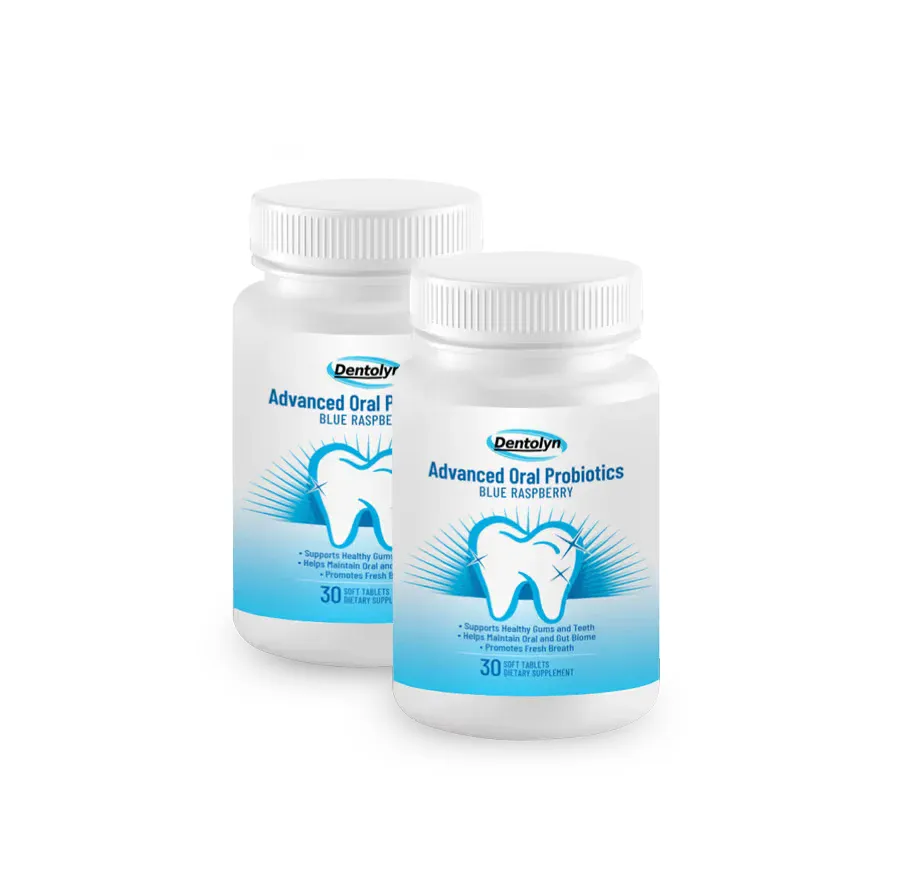
Key Probiotic Strains for a Resilient Oral Microbiome
Not all probiotics are created equal, especially when it comes to oral health. Just as different strains of bacteria thrive in different parts of the body, specific strains have demonstrated particular efficacy in the unique environment of the mouth. Understanding these key players can help you make informed choices.
Among the most well-researched and effective oral probiotic strains are those from the Streptococcus salivarius and Lactobacillus families. These strains are naturally occurring residents of a healthy mouth and have been extensively studied for their protective qualities.
Streptococcus salivarius K12: This strain is a powerhouse when it comes to defending against common oral pathogens. It's known to produce two potent antimicrobial peptides, called bacteriocin-like inhibitory substances (BLIS) K12, which specifically target and inhibit the growth of harmful bacteria responsible for bad breath, sore throats, and even ear infections. By colonizing the oral cavity, K12 acts as a natural guardian, creating a less hospitable environment for invaders.
Streptococcus salivarius M18: Another remarkable strain, M18, focuses its efforts on plaque and cavity prevention. It produces an enzyme called dextranase, which helps break down the sticky dextran matrix that forms dental plaque, making it easier to remove. M18 also produces urease, which helps neutralize acids in the mouth, further protecting tooth enamel from decay. Its ability to colonize tooth surfaces makes it a strong ally against cavity-forming bacteria.
Lactobacillus reuteri: Found in various parts of the human body, including the mouth, L. reuteri has strong anti-inflammatory properties. Studies have shown its effectiveness in reducing gingivitis and periodontitis by modulating the immune response and inhibiting the growth of periodontal pathogens. It can also produce reuterin, a broad-spectrum antimicrobial compound that can suppress various harmful microorganisms.
Lactobacillus plantarum: This versatile strain is known for its ability to adhere to oral tissues and modulate the immune system. It can help reduce inflammation in the gums and contribute to a more balanced microbial environment, making it harder for pathogenic bacteria to establish themselves and cause disease.
The synergy between these and other beneficial strains creates a robust defense system. When choosing an oral probiotic supplement, looking for products that contain a combination of these well-studied strains can offer comprehensive support for your oral health. Beyond just killing bad bacteria, these good bacteria actively cultivate a healthier, more resilient oral environment, contributing to long-term dental wellness.
Beyond Probiotics: A Holistic Approach to Oral Wellness
While oral probiotics offer a powerful and innovative way to support your mouth's natural defenses, they are most effective when integrated into a comprehensive approach to oral health. A truly resilient smile is built upon a foundation of daily habits and informed choices that nurture both your microbiome and your overall well-being.
Optimal Oral Hygiene: The fundamentals remain paramount. Brushing twice daily with a fluoride toothpaste and flossing once a day are non-negotiable for removing plaque and food debris. Regular dental check-ups and professional cleanings are also crucial for addressing issues before they escalate and for removing hardened plaque (tartar) that brushing can't tackle. Oral probiotics complement, but do not replace, these essential practices.
Nutrient-Rich Diet: What you eat profoundly impacts your oral microbiome and the structural integrity of your teeth and gums. Limiting refined sugars and highly processed foods starves the harmful, acid-producing bacteria. Instead, focus on a diet rich in whole foods, fresh fruits, vegetables, and lean proteins. These provide essential vitamins and minerals that strengthen tooth enamel and support healthy gum tissue. For a deeper dive into this, consider reading our article on vitamins and minerals essential for strong teeth and gums.
Hydration is Key: Saliva plays a vital role in oral health, washing away food particles, neutralizing acids, and providing minerals to remineralize enamel. Staying well-hydrated by drinking plenty of water throughout the day ensures adequate saliva production. Water also helps maintain a balanced pH in the mouth, discouraging the growth of harmful bacteria.
Mindful Lifestyle Choices: Habits like smoking and excessive alcohol consumption are detrimental to oral health, contributing to gum disease, dry mouth, and an increased risk of oral cancers. Reducing or eliminating these habits can significantly improve your oral microbiome and overall health. Managing stress through techniques like meditation or exercise can also indirectly benefit oral health, as chronic stress can weaken the immune system and exacerbate inflammatory conditions.
By combining the targeted action of oral probiotics with these foundational practices, you create a synergistic effect that maximizes your mouth's ability to resist disease and maintain vibrant health. It's about empowering your body's innate wisdom and giving it the tools it needs to thrive, fostering a naturally strong and healthy smile for years to come.
Choosing the Right Oral Probiotic Supplement: What to Look For
With the growing popularity of probiotics, the market is flooded with options. Selecting an effective oral probiotic supplement requires careful consideration to ensure you're getting the right strains, potency, and delivery method for optimal results. Not all probiotic supplements are formulated for oral health, as many are designed primarily for gut health.
Specific Strains for Oral Health: As discussed, look for supplements that explicitly list strains like Streptococcus salivarius K12, Streptococcus salivarius M18, and various Lactobacillus strains (e.g., L. reuteri, L. plantarum). These are the strains with scientific backing for their benefits in the oral cavity. A broad-spectrum probiotic designed for gut health might not contain the specific strains needed to colonize the mouth effectively.
High Colony-Forming Units (CFUs): The CFU count indicates the number of live, active probiotic organisms in each dose. For oral probiotics, a CFU count in the billions (e.g., 1-5 billion CFUs per dose) is often recommended to ensure enough beneficial bacteria survive and colonize the mouth. Higher CFU counts generally mean a greater chance of efficacy, but quality of strains is equally important.
Appropriate Delivery Method: Oral probiotics are most effective when they can directly interact with the oral tissues. Lozenges, chewable tablets, or powders that dissolve slowly in the mouth are ideal, as they allow the beneficial bacteria to colonize the oral cavity before being swallowed. Capsules designed for gut delivery may not provide the same targeted benefits for oral health.
Quality and Purity: Choose supplements from reputable brands that adhere to strict manufacturing standards, such as GMP (Good Manufacturing Practices) certification. Look for products that are third-party tested for purity, potency, and absence of common allergens if you have sensitivities. Transparency in ingredient sourcing and manufacturing processes is a good indicator of a trustworthy product.
Additional Supporting Ingredients: Some oral probiotic supplements may include other beneficial ingredients, such as xylitol (a natural sweetener that inhibits harmful bacteria), specific vitamins, or minerals that further support oral health. While not strictly necessary for a probiotic to be effective, these can offer additional synergistic benefits. For those seeking comprehensive support, exploring a best oral health supplement guide might be beneficial to understand what synergistic ingredients to look for.
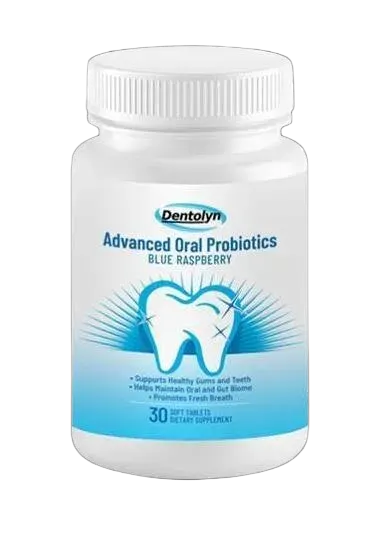
By focusing on these criteria, you can select an oral probiotic supplement that is most likely to deliver tangible benefits for your dental health, complementing your existing oral hygiene routine and empowering your mouth's natural protective mechanisms. Dentolyn, for instance, has been formulated with a blend of potent oral probiotic strains and supporting nutrients, designed to address many of these considerations and offer a holistic approach to oral microbiome balance.
Dentolyn: Nurturing Your Oral Microbiome from Within
Dentolyn is designed as a comprehensive oral health support system, focusing on balancing the oral microbiome and providing essential nutrients to strengthen teeth and gums. It combines targeted probiotic strains with carefully selected ingredients known for their dental benefits.
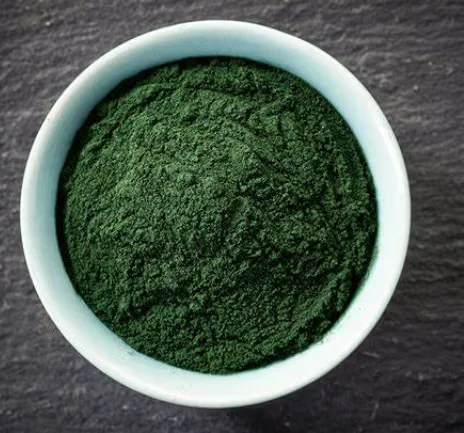
Advanced Oral Probiotic Blend
Role: A proprietary blend of scientifically researched strains, including Streptococcus salivarius K12, Streptococcus salivarius M18, and Lactobacillus reuteri, specifically chosen for their ability to colonize the oral cavity, inhibit pathogenic bacteria, neutralize acids, and reduce plaque formation. This blend works synergistically to restore and maintain a healthy oral microbiome, supporting a natural defense against cavities, gum disease, and bad breath.
~2-5 Billion CFUs per serving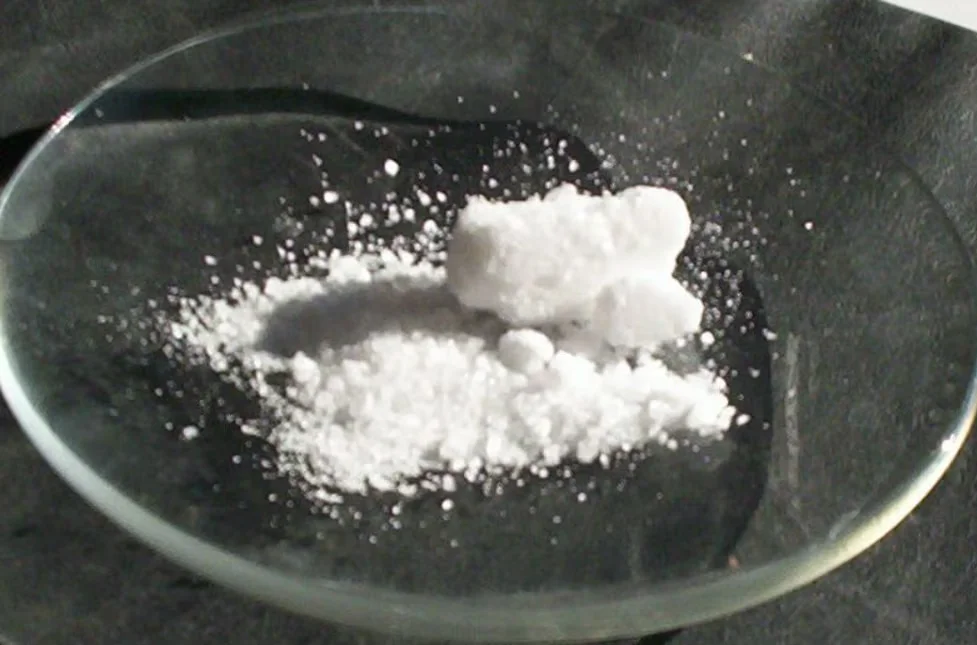
Iodine
Role: An essential trace mineral, Iodine plays a crucial role in overall health, including supporting healthy thyroid function which indirectly impacts metabolic processes and immune response. In the context of oral health, it contributes to a robust immune system that can better defend against oral infections and inflammation.
Daily Recommended Intake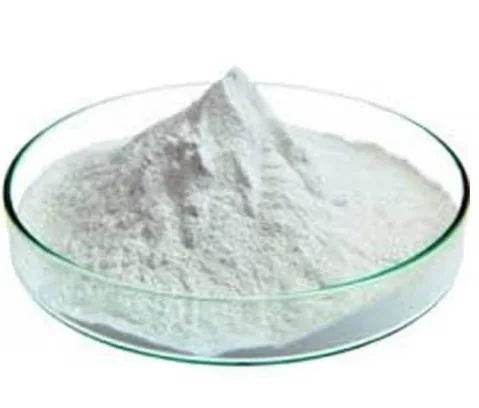
Xylitol
Role: A natural sugar alcohol, Xylitol is unique because it cannot be metabolized by harmful oral bacteria. Instead, it inhibits their growth and adhesion to tooth surfaces, effectively reducing plaque formation and the production of cavity-causing acids. It also stimulates saliva flow, which further aids in remineralization and acid neutralization, offering a sweet yet powerful defense for your teeth.
Optimal dental doseVitamin D3
Role: Often called the "sunshine vitamin," Vitamin D3 is critical for calcium absorption and bone mineralization, which directly impacts the strength of your jawbone and the integrity of your teeth. It also plays a significant role in immune function, helping to reduce inflammation and support the body's ability to fight off gum infections.
High Potency DoseZinc
Role: This essential mineral is a powerful antioxidant and immune booster. In oral health, Zinc helps inhibit the growth of bacteria responsible for plaque and bad breath. It also contributes to the healing of oral tissues and plays a role in maintaining the structural integrity of teeth and gums, making it a vital component for overall mouth wellness.
Optimal Daily Dose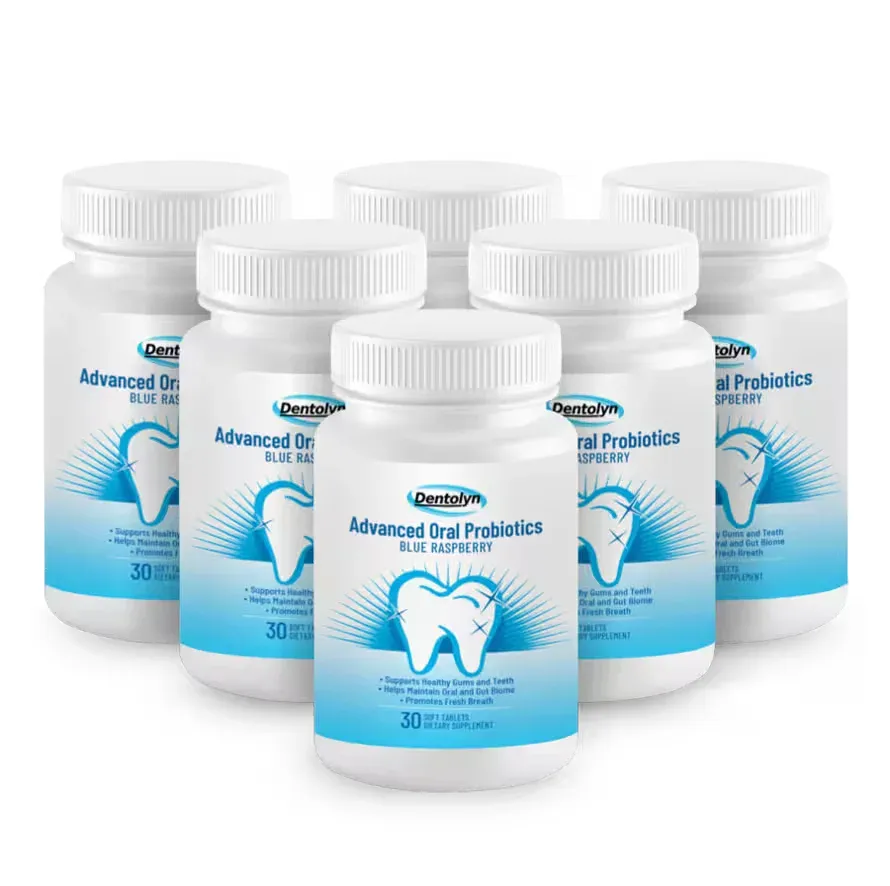
Ready to Transform Your Oral Health with Dentolyn?
Embrace a revolutionary approach to dental wellness. Dentolyn combines cutting-edge probiotic science with essential nutrients to empower your oral microbiome and fortify your smile from within. Don't just treat symptoms; address the root cause of common oral issues.
- Supports a balanced oral microbiome
- Helps reduce plaque and tartar buildup
- Fights bad breath at its source
- Strengthens teeth and gums naturally
- Backed by a 60-Day Money-Back Guarantee



What Our Customers Are Saying
"I used to struggle with persistent bad breath and sensitive gums. Since starting Dentolyn, my mouth feels incredibly fresh, and my gums look healthier than ever. It's truly made a difference in my daily confidence!"
"My dentist always commented on my plaque buildup. After a few months on Dentolyn, my last cleaning was so much easier! It feels like my mouth is finally fighting back against cavities. Highly recommend."
"I was skeptical about oral probiotics, but Dentolyn changed my mind. My mouth feels cleaner, my morning breath is significantly better, and I haven't had any new cavities since I started. It's an essential part of my routine now."
Frequently Asked Questions
What are oral probiotics and how do they work?
+Oral probiotics are beneficial microorganisms, similar to those found in your gut, that are specifically designed to colonize your mouth. They work by competing with harmful bacteria for space and nutrients, producing compounds that inhibit pathogen growth, and supporting a balanced oral microbiome to protect teeth and gums.
Can oral probiotics really prevent cavities and gum disease?
+While oral probiotics are not a standalone cure, numerous studies suggest they can significantly contribute to preventing common oral diseases. By fostering a healthy balance of bacteria, they can reduce the populations of cavity-causing bacteria like Streptococcus mutans and inflammation-inducing bacteria linked to gingivitis and periodontitis.
Are there specific probiotic strains that are best for mouth health?
+Yes, research points to specific strains as particularly effective for oral health. Key examples include Streptococcus salivarius K12 and M18, Lactobacillus reuteri, and Lactobacillus plantarum. These strains have demonstrated abilities to combat bad breath, reduce plaque formation, and support gum tissue health.
How long does it take to see results from oral probiotics?
+The timeline for observing benefits from oral probiotics can vary depending on individual oral health status, the specific probiotic strains used, and consistency of use. Some individuals may notice improvements in breath or gum health within a few weeks, while more significant changes in cavity prevention or gum disease management may take several months of regular supplementation.
Are oral probiotics safe to use?
+For most healthy individuals, oral probiotics are considered safe with minimal side effects. They typically consist of beneficial bacteria naturally found in a healthy human mouth. However, individuals with compromised immune systems, those undergoing specific medical treatments, or pregnant/nursing women should consult their healthcare provider before starting any new supplement regimen.
How do oral probiotics fit into a comprehensive oral hygiene routine?
+Oral probiotics are an excellent complementary addition to a comprehensive oral hygiene routine, not a replacement. They work best when combined with regular brushing (twice daily), flossing (once daily), a balanced diet low in sugar, and routine dental check-ups. They help reinforce the natural defenses of your mouth against daily challenges.
Related Articles
Invest in Your Oral Health Today
Dentolyn provides comprehensive oral health support with clinically studied natural ingredients. Join 41,000+ satisfied customers and experience the difference. Backed by a 60-day money-back guarantee.