Are you missing a vital mineral in your quest for optimal oral health?
For decades, the focus of oral health has primarily been on fluoride, calcium, and vitamin D. While these nutrients are undeniably crucial, there’s a powerful, often-overlooked mineral that plays a far more significant role than many realize: iodine. This essential element, critical for overall bodily functions, holds a silent but profound influence over the strength of your teeth, the health of your gums, and your mouth's ability to ward off harmful pathogens.
As an oral health researcher, I've seen firsthand how micronutrient deficiencies can ripple through the entire body, impacting everything from cognitive function to bone density. It's becoming increasingly clear that our oral cavity is not an isolated system, but rather an integral part of our overall health, deeply affected by our nutritional status. Discovering the full spectrum of iodine's benefits for your mouth could be the missing piece in your dental wellness puzzle, leading to a healthier, more resilient smile than you ever thought possible.
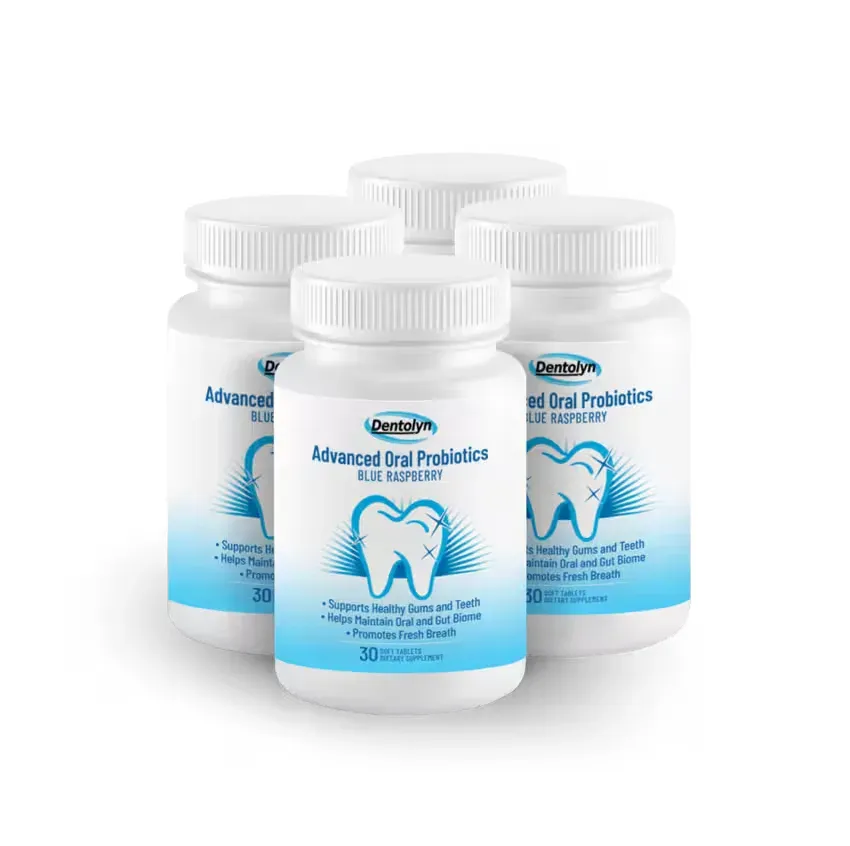
The Crucial Link Between Iodine and Your Oral Health
Beyond its well-known role in thyroid function, iodine is a silent guardian for your mouth. Let's delve into how this powerful mineral contributes to a robust oral environment.
Iodine is an essential trace element that plays a critical role in human health, primarily known for its involvement in thyroid hormone production. These hormones, thyroxine (T4) and triiodothyronine (T3), regulate metabolism, growth, and development across all organ systems. What often goes unmentioned is the profound impact these systemic processes have on our oral health. From the moment our teeth begin to form in utero, to their maintenance throughout adulthood, iodine-dependent thyroid hormones are at work, influencing everything from enamel mineralization to jawbone density. A deficiency in iodine can therefore cascade into a variety of oral health issues, making it a truly foundational mineral for a healthy smile.
The oral cavity is a complex ecosystem, constantly battling bacteria, acids, and physical stressors. Iodine offers a multifaceted defense, working both systemically and locally. Its systemic influence via thyroid hormones ensures proper development and maintenance of oral structures. Locally, iodine exhibits potent antimicrobial properties, directly combating the harmful bacteria responsible for cavities and gum disease. This dual action makes iodine a unique and indispensable nutrient for comprehensive oral wellness, far beyond just preventing goiter.
Iodine's Direct Impact on Tooth Structure and Enamel
The strength of our teeth largely depends on the integrity of our enamel, the hardest substance in the human body. Enamel is primarily composed of hydroxyapatite crystals, and its formation and maintenance are complex processes requiring a delicate balance of minerals and hormones. Iodine, through its influence on thyroid hormones, plays a direct role in the
Furthermore, iodine has been observed to participate directly in the remineralization of tooth enamel. When teeth are exposed to acids from food and bacteria, minerals are leached from the enamel in a process called demineralization. Remineralization is the natural repair process where minerals like calcium and phosphate are redeposited. Research suggests that iodine, particularly in the form of potassium iodide, can enhance this process, helping to rebuild and strengthen enamel. This means iodine not only aids in the initial formation of strong teeth but also contributes to their ongoing repair and resilience against daily wear and tear. This protective effect is crucial for preventing cavities and maintaining long-term dental health.
Battling Oral Bacteria and Preventing Gum Disease
Beyond its structural benefits, iodine is a formidable weapon against the microbial threats that constantly challenge our oral health. The human mouth harbors hundreds of species of bacteria, some beneficial, others detrimental. Pathogenic bacteria, such as Streptococcus mutans and Porphyromonas gingivalis, are primary culprits in the development of dental caries (cavities) and periodontal (gum) disease. Iodine possesses powerful
Studies have shown that iodine compounds can significantly reduce bacterial loads in the mouth, inhibit plaque formation, and even penetrate bacterial biofilms, which are notoriously difficult to eliminate. This makes iodine a potent agent in maintaining a balanced oral microbiome, where beneficial bacteria can thrive while harmful ones are kept in check. By reducing the presence of cavity-causing bacteria, iodine helps protect against enamel erosion and cavity formation. Its antiseptic action also extends to the gums, where it can help control inflammation and prevent the progression of gingivitis to more severe forms of gum disease. A healthy gum line is crucial for supporting the teeth and preventing tooth loss, and iodine's role in this defense is invaluable.
💡 Key Takeaway
Iodine is more than just a thyroid nutrient; it's a critical component for robust oral health. It supports strong enamel formation, aids in remineralization, and acts as a powerful antibacterial agent to protect teeth and gums from decay and disease. Ensuring adequate iodine intake is a foundational step towards a healthier mouth.
Recognizing Iodine Deficiency and Its Oral Manifestations
While severe iodine deficiency is less common in areas with iodized salt, mild to moderate deficiencies are still prevalent and can manifest in subtle, often overlooked, oral symptoms.
Iodine deficiency can manifest in various ways throughout the body, with the most recognized symptom being a goiter (enlargement of the thyroid gland). However, the oral cavity can also display signs of insufficient iodine, which are often mistakenly attributed to other causes. Understanding these connections is crucial for early detection and intervention. Because thyroid hormones are integral to growth and metabolic rate, their dysregulation due to iodine deficiency can impair cellular function across all tissues, including those in the mouth. This can lead to a range of issues that compromise not just aesthetics, but also the functional integrity of your dental structures.
One of the primary oral indicators of iodine deficiency, particularly during developmental stages, can be
Beyond Cavities: Gum Health and Oral Infections
The impact of iodine deficiency isn't limited to the teeth themselves; it also extends to the surrounding soft tissues, particularly the gums. Healthy gums are essential for supporting teeth and preventing the entry of bacteria into the bloodstream. When iodine levels are low, the body's overall immune response can be weakened, making the oral cavity more susceptible to infections. This can lead to
Furthermore, iodine deficiency can influence salivary gland function. Saliva plays a vital role in oral health by neutralizing acids, washing away food particles, and providing minerals for remineralization. Thyroid hormones are known to impact salivary gland activity, and thus, an iodine deficiency could indirectly contribute to
Holistic Approaches to Support Oral Health with Iodine
Integrating iodine into a comprehensive oral care strategy involves both dietary considerations and potentially targeted supplementation. Here's how to ensure you're giving your mouth the iodine it needs.
Dietary Sources of Iodine
The first line of defense against iodine deficiency is through diet. Excellent sources include sea vegetables like kelp, nori, and dulse. Fish such as cod, tuna, and shrimp are also good options. Dairy products, eggs, and iodized salt contribute to intake, though the amount can vary. Prioritizing these foods in your daily meals can help maintain adequate iodine levels naturally.
Consider a Targeted Supplement
For those with dietary restrictions, limited access to iodine-rich foods, or confirmed deficiency, a high-quality iodine supplement can be invaluable. Look for supplements that provide iodine in a bioavailable form, often combined with other oral health-supporting nutrients. Always consult with a healthcare professional before starting any new supplement regimen to determine the appropriate dosage.
Maintain Excellent Oral Hygiene
While iodine is powerful, it's not a standalone solution. Regular brushing with fluoride toothpaste, daily flossing, and therapeutic mouthwashes remain foundational. Iodine works synergistically with these practices to create a robust defense against plaque and bacteria. Consistency in your daily routine amplifies the benefits of iodine.
Regular Dental Check-ups
Routine visits to your dentist are crucial for monitoring your oral health, identifying potential issues early, and professional cleaning. Discuss any concerns about iodine deficiency or changes in your oral health with your dentist. They can provide personalized advice and ensure your overall approach is effective and safe.
Limit Sugar and Processed Foods
Sugary and highly processed foods contribute significantly to the growth of harmful oral bacteria and acid production, counteracting the benefits of iodine. Reducing their intake helps create a less hospitable environment for decay-causing pathogens, allowing iodine's protective effects to be maximized. Focus on a balanced diet rich in whole foods.
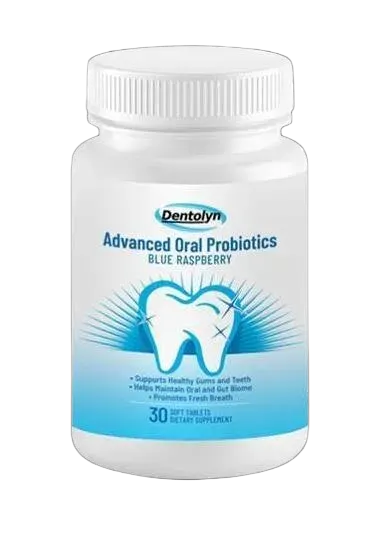
Why a Comprehensive Oral Health Supplement Like Dentolyn Matters
In today's fast-paced world, ensuring consistent intake of all essential nutrients can be challenging. This is where a targeted supplement, designed to support specific bodily functions, becomes incredibly valuable.
Targeted Nutrient Delivery
Unlike general multivitamins, a specialized oral health supplement focuses on delivering precise doses of nutrients known to benefit teeth and gums. This ensures your oral cavity receives the specific building blocks it needs for optimal health, without relying solely on dietary intake which can be inconsistent.
Synergistic Ingredient Blends
Many oral health supplements are formulated with synergistic blends, where different ingredients work together to enhance each other's effects. For instance, iodine might be combined with other minerals and vitamins that aid in calcium absorption or collagen formation, amplifying its benefits for enamel and gum tissue.
Bridging Nutritional Gaps
Even with a balanced diet, modern farming practices and food processing can lead to nutrient depletion. An oral health supplement acts as a reliable bridge, filling potential nutritional gaps and ensuring your body has a steady supply of vital elements like iodine, magnesium, and vitamin K2, which are often deficient.
Proactive Dental Defense
Beyond reactive treatments, a good supplement offers a proactive defense strategy. By continuously strengthening enamel, supporting gum health, and fighting harmful bacteria from within, it helps prevent issues before they arise, potentially reducing the need for extensive dental interventions in the long run. Learn more about oral health supplements review to make an informed choice.
Key Ingredients in Dentolyn for Optimal Oral Health
Dentolyn is carefully formulated with a blend of natural ingredients, each selected for its scientifically backed role in supporting and enhancing your dental well-being.
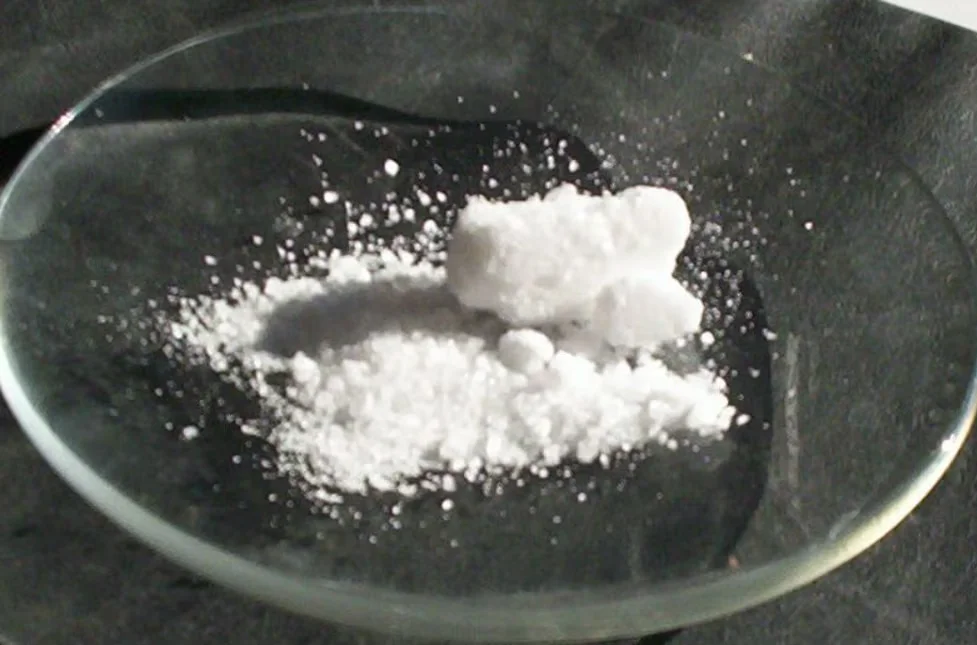
Iodine (as Potassium Iodide)
Role: Essential for thyroid hormone production, which is crucial for the development and mineralization of teeth and bones. It also acts as a potent antimicrobial agent, helping to reduce harmful oral bacteria, inhibit plaque formation, and support gum health. Iodine contributes to enamel strength and resistance against decay.
150-300 mcg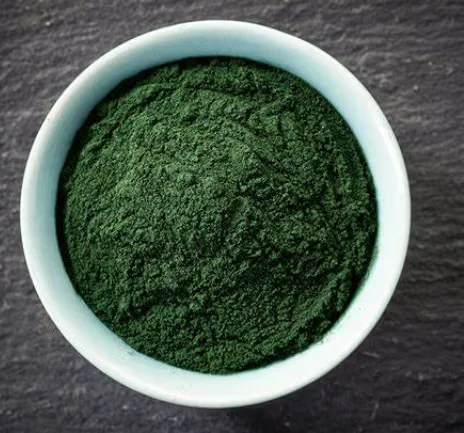
Essential Vitamins & Minerals Blend
Role: Dentolyn includes a synergistic blend of vitamins and minerals like Vitamin D3, K2, Calcium, and Magnesium. These nutrients work in harmony to facilitate calcium absorption and utilization for strong bones and teeth, support gum tissue integrity, and modulate immune responses within the oral cavity, providing comprehensive support for dental health.
Varies by ingredient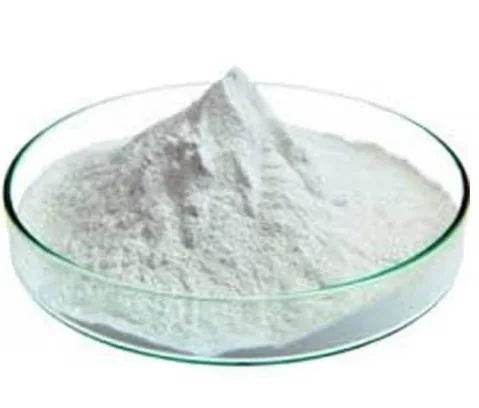
Natural Plant Extracts & Antioxidants
Role: Incorporating botanical extracts known for their anti-inflammatory and antioxidant properties helps protect oral tissues from oxidative stress and inflammation. These compounds can soothe gums, support healing, and further enhance the body's natural defenses against oral pathogens, contributing to a healthier and more comfortable mouth environment.
Proprietary Blend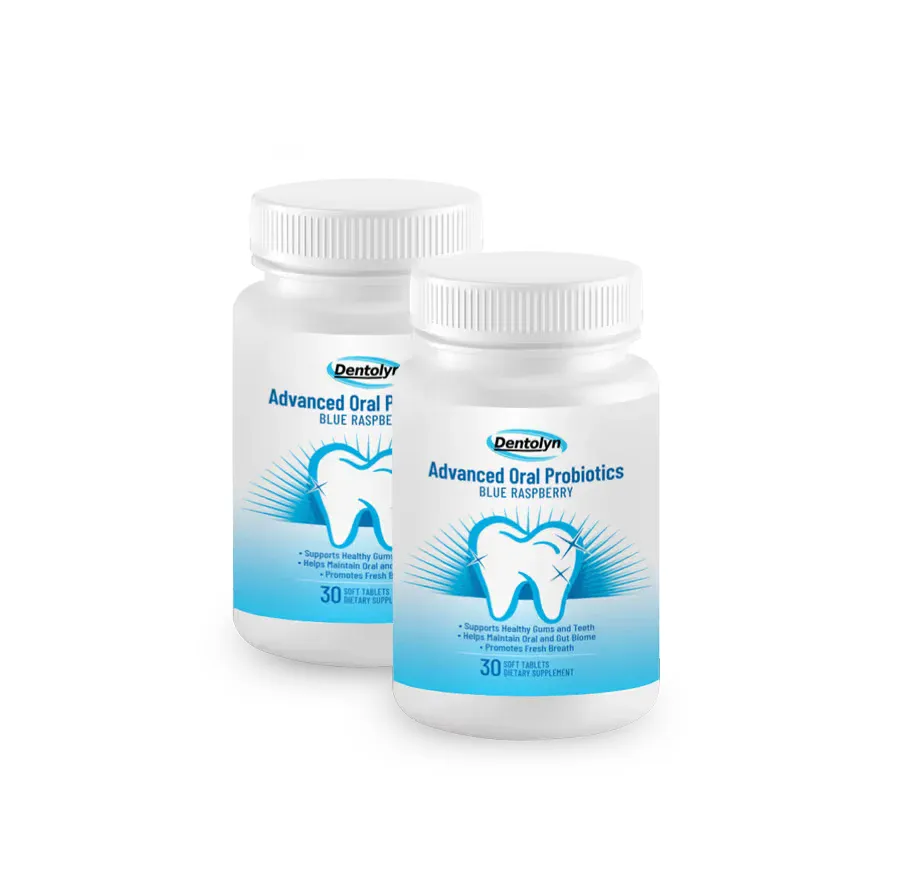
Transform Your Oral Health with Dentolyn: The Natural, Overlooked Solution
Don't let iodine deficiency silently undermine your dental health. Dentolyn offers a powerful, natural approach to fortify your teeth and gums from within. Crafted with a precise blend of iodine and other essential nutrients, Dentolyn is designed to support enamel strength, combat harmful oral bacteria, and promote overall oral wellness, giving you the confidence of a healthier smile.
- ✓ Supports strong tooth enamel with essential iodine
- ✓ Fights harmful oral bacteria naturally
- ✓ Promotes healthy gums and reduces inflammation
- ✓ Made with 100% natural, non-GMO ingredients
- ✓ Manufactured in a GMP-certified facility in the USA



What Our Customers Are Saying About Dentolyn
"I've struggled with sensitive teeth for years, and nothing seemed to help consistently. After just a month of Dentolyn, I noticed a remarkable difference. My teeth feel stronger, and the sensitivity has significantly decreased. I'm truly impressed!"
"As someone who values natural health solutions, finding Dentolyn was a game-changer for my oral care routine. My gums used to bleed frequently, but since incorporating this supplement, they feel much healthier and stronger. It's a noticeable improvement."
"I was skeptical at first, but the science behind iodine for oral health convinced me to try Dentolyn. My dentist even commented on the improved health of my enamel during my last check-up. This product truly delivers on its promises for a healthier mouth."
Frequently Asked Questions
Why is iodine important for oral health?
+Iodine plays a crucial role in oral health by supporting thyroid hormone production, which impacts bone and tooth development. It also possesses natural antibacterial properties that help combat harmful oral bacteria, reduce plaque formation, and maintain a healthy oral microbiome. Furthermore, iodine can aid in the remineralization of tooth enamel, making teeth stronger and more resistant to decay.
Can an iodine deficiency affect my teeth and gums?
+Yes, an iodine deficiency can have significant negative impacts on oral health. Insufficient iodine can lead to impaired thyroid function, which in turn affects the development of teeth and jawbones. This can result in weaker enamel, increased susceptibility to cavities, and even contribute to gum inflammation and other periodontal issues. A deficiency might also weaken the immune response in the oral cavity, making you more vulnerable to infections.
What are common sources of dietary iodine?
+Common dietary sources of iodine include seafood (like cod, tuna, shrimp, and seaweed), dairy products (milk, yogurt, cheese), eggs, and iodized salt. Some fruits and vegetables can also contain iodine, though levels vary depending on the soil content. For those with dietary restrictions or living in iodine-deficient regions, supplementation might be a necessary option to ensure adequate intake.
How does Dentolyn support oral health with iodine?
+Dentolyn is formulated to provide a targeted dose of essential nutrients, including iodine, that are vital for comprehensive oral health. By supplying adequate iodine, Dentolyn helps bolster the body's natural defenses against oral pathogens, supports healthy thyroid function which is critical for strong teeth and bones, and aids in maintaining a balanced oral microbiome. It's designed to complement a good oral hygiene routine for enhanced protection.
Is Dentolyn safe to use with other dental products?
+Dentolyn is generally safe to use alongside your regular dental care routine, including brushing, flossing, and using mouthwash. It is a dietary supplement designed to work internally to support oral health. However, as with any new supplement, if you have specific dental conditions, are undergoing treatment, or are taking other medications, it's always best to consult with your dentist or a healthcare professional before incorporating Dentolyn into your regimen.
How long does it take to see results from Dentolyn?
+Individual results with Dentolyn can vary based on factors like existing oral health status, dietary habits, and consistency of use. While some users may experience noticeable improvements in a few weeks, it's generally recommended to use Dentolyn consistently for at least 60 to 90 days to allow the body to fully benefit from the targeted nutrients and establish a healthier oral environment. Long-term use, combined with good oral hygiene, yields the best results.
Related Articles
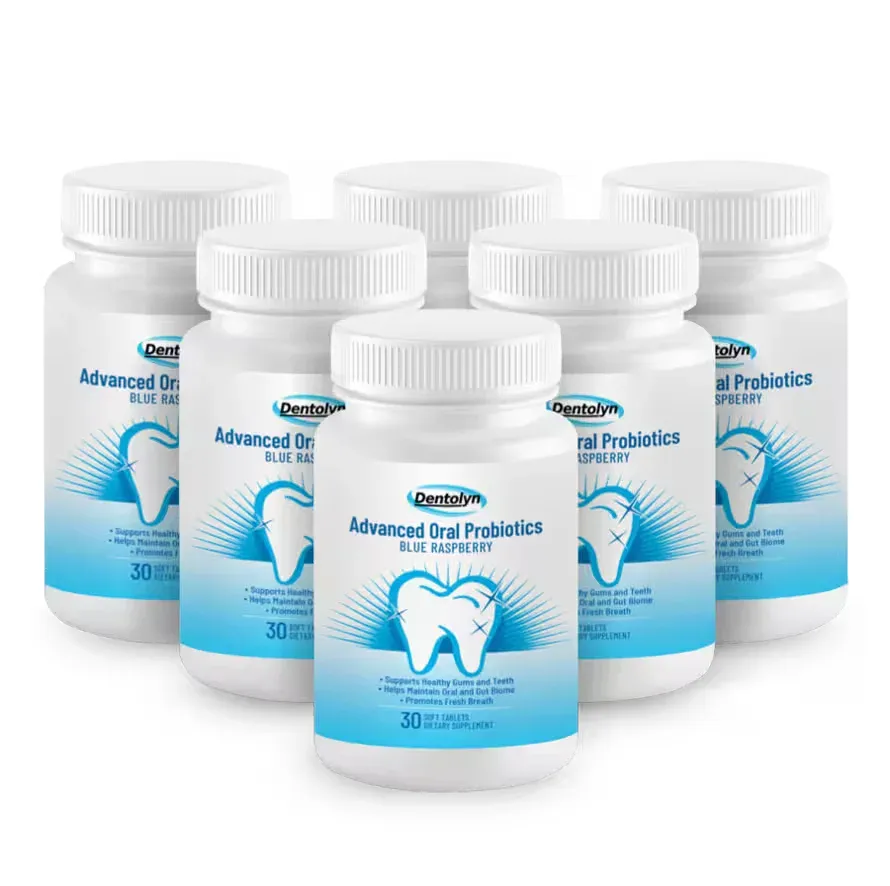
See Why 41,000+ Customers Rate Dentolyn 4.8/5
The reviews are real. The formula is unique. The guarantee is ironclad. Try Dentolyn for up to 60 days — if you are not completely satisfied with the improvement in your oral health, return it for a full refund. No questions asked.