Are you unknowingly sacrificing your smile to stress?
In our fast-paced modern world, stress and anxiety have become unwelcome constants for many. We often associate these mental pressures with headaches, sleepless nights, or digestive issues. However, what if I told you that the silent battles waged in your mind could be causing significant, even irreversible, damage to your oral health?
As an oral health researcher, I've seen firsthand the intricate connections between our brain, our body's systems, and surprisingly, our mouth. The scientific community is increasingly recognizing that the state of your mental well-being has a profound and direct impact on your dental health, affecting everything from your gums to your jawbone. Ignoring these signals could lead to a cascade of problems, from chronic pain to tooth loss.
The Brain-Mouth Axis: A Hidden Connection
Your brain is the command center of your body, and its signals ripple through every system, including your oral cavity. The intricate relationship between your mental state and your oral health is far more complex than simply grinding your teeth when you're stressed.
When you experience stress or anxiety, your body initiates a cascade of physiological responses. The most well-known is the "fight or flight" response, orchestrated by the sympathetic nervous system. This involves the release of stress hormones like cortisol and adrenaline. While these hormones are crucial for short-term survival, chronic elevation can have detrimental effects on nearly every part of your body, including your mouth.
The brain-mouth axis isn't just about direct nerve signals; it also involves systemic inflammation, immune system modulation, and even changes in your oral microbiome. Elevated cortisol levels, for instance, can suppress your immune system, making you more susceptible to infections. This vulnerability extends directly to your mouth, where a delicate balance of bacteria is constantly under threat from external factors and internal systemic changes. Understanding this fundamental connection is the first step toward safeguarding your oral health against the unseen ravages of stress.
💡 Key Takeaway
Chronic stress and anxiety trigger a systemic response, releasing hormones like cortisol that suppress the immune system and increase inflammation, directly impacting the health of your gums, teeth, and oral microbiome.
How Stress and Anxiety Manifest in Your Mouth
The subtle signs of stress often show up in your mouth long before you might notice them elsewhere. From jaw pain to bleeding gums, your oral cavity can be a barometer for your mental well-being.
One of the most common physical manifestations of stress and anxiety is bruxism – the involuntary clenching or grinding of teeth. This often occurs subconsciously during sleep (sleep bruxism) but can also happen during waking hours (awake bruxism). The excessive force exerted on your teeth can lead to a myriad of problems: worn enamel, chipped or fractured teeth, headaches, facial pain, and even temporomandibular joint (TMJ) disorders. The constant tension in the jaw muscles can also contribute to chronic migraines and neck pain, significantly impacting your quality of life. Many people don't even realize they are doing it until a dentist points out the tell-tale signs of wear and tear.
Another significant impact is on your gums. Stress directly weakens your immune response, making you more vulnerable to bacterial infections. This means that the bacteria naturally present in your mouth, which might otherwise be kept in check, can proliferate and lead to gingivitis (gum inflammation) and eventually periodontitis (severe gum disease). Chronic stress can also heighten the inflammatory response within your body, exacerbating existing gum conditions and making treatment more challenging. If you've noticed your gums bleeding more often or appearing red and swollen, stress might be an underlying factor. You can learn more about related oral health issues in our article on causes of bad breath and how to fix it permanently.
Stress also often leads to dry mouth, or xerostomia. When your body is in a state of heightened alert, saliva production can decrease. Saliva is your mouth's natural protector; it helps wash away food particles, neutralizes acids produced by bacteria, and contains enzymes and minerals that fight decay and strengthen enamel. Without sufficient saliva, your risk of cavities, gum disease, and even fungal infections (like oral thrush) significantly increases. It can also make eating, speaking, and swallowing uncomfortable.
Beyond these, stress can trigger or worsen other oral conditions. Many people experience an increase in canker sores (aphthous ulcers) during periods of high stress. These painful sores can make eating and speaking difficult. Stress can also contribute to a compromised immune system, making you more susceptible to cold sores (herpes simplex virus outbreaks) around the mouth. Furthermore, individuals under severe stress might neglect their oral hygiene routines, further compounding these issues. The cycle of stress leading to poor oral health, which then adds to overall stress, can be a difficult one to break.
The Gut-Mouth Connection: Stress, Microbiome, and Oral Health
The intricate relationship between your gut and your brain, often called the "gut-brain axis," has gained significant attention in recent years. But did you know there's also a powerful "gut-mouth axis" that is profoundly influenced by stress?
Your oral cavity and your gut are both home to trillions of microorganisms, collectively known as the microbiome. These diverse communities of bacteria, fungi, and viruses play crucial roles in digestion, immune function, and overall health. When stress becomes chronic, it can disrupt the delicate balance of your gut microbiome, leading to a condition known as dysbiosis. This imbalance can manifest as digestive issues, but its effects don't stop there.
A compromised gut microbiome can trigger systemic inflammation throughout the body. This inflammation can travel to your oral cavity, exacerbating gum disease and making your mouth a less hospitable environment for beneficial oral bacteria. Conversely, an unhealthy oral microbiome, often a result of stress-induced dry mouth or poor hygiene, can also contribute to gut dysbiosis, creating a bidirectional pathway of influence. The link is undeniable: a healthy gut often translates to a healthy mouth, and stress is a major disruptor of both. Supplements that support both gut and oral health can be particularly beneficial, and you can explore options in our guide on the best supplement for bad breath.
💡 Key Takeaway
Stress disrupts both the gut and oral microbiomes, leading to systemic inflammation and increased susceptibility to oral diseases, highlighting the critical gut-mouth axis.
Holistic Strategies to Protect Your Smile from Stress
Addressing the root causes of stress and anxiety is paramount for both your overall well-being and your oral health. A holistic approach combines mental wellness practices with targeted oral care and nutritional support.
Practice Stress Reduction Techniques
Engage in activities that calm your nervous system. This could include mindfulness meditation, deep breathing exercises, yoga, tai chi, or spending time in nature. Even short bursts of these practices daily can significantly lower cortisol levels and reduce physical tension, including jaw clenching.
Prioritize Quality Sleep
Lack of sleep intensifies stress and anxiety, creating a vicious cycle. Aim for 7-9 hours of quality sleep per night. Establish a relaxing bedtime routine, ensure your bedroom is dark and cool, and avoid screens before bed. Adequate rest helps your body repair and strengthens your immune system.
Maintain Excellent Oral Hygiene
Even when stressed, do not neglect your basic oral care. Brush twice daily with a fluoride toothpaste, floss once a day, and consider using an antimicrobial mouthwash. Regular dental check-ups and cleanings are more crucial than ever to catch and address stress-related damage early.
Nourish Your Body and Mind
A balanced diet rich in whole foods, fruits, vegetables, and lean proteins provides the essential nutrients your body needs to cope with stress and support oral health. Limit sugar and processed foods, which can fuel inflammation and feed harmful oral bacteria. Ensure adequate intake of vitamins, especially Vitamin C, which is vital for gum health. Learn more about how vitamin C deficiency affects your teeth and gums.
Stay Hydrated
Combat dry mouth by drinking plenty of water throughout the day. Water helps maintain saliva flow, which is crucial for washing away food debris and neutralizing acids. Carry a water bottle with you and sip regularly, especially during stressful periods.
Consider Professional Support
If stress and anxiety feel overwhelming, don't hesitate to seek help from a therapist, counselor, or doctor. They can provide strategies, coping mechanisms, or medical interventions to manage your mental health, which will indirectly but profoundly benefit your oral health.
Understanding Key Nutrients for Oral & Stress Support
Magnesium
Often called "nature's tranquilizer," Magnesium plays a crucial role in muscle relaxation and nerve function. Adequate magnesium levels can help reduce muscle tension, including jaw clenching associated with bruxism. It also helps regulate neurotransmitters that control stress and anxiety, promoting a calmer state of mind.
Iodine
While primarily known for its role in thyroid health, Iodine is essential for overall metabolic function. A healthy metabolism supports systemic well-being, which in turn can help the body manage stress more effectively. Indirectly, a well-functioning endocrine system contributes to a more resilient immune response, benefiting oral health.
Probiotics
Beneficial bacteria (probiotics) are vital for a healthy gut microbiome. A balanced gut directly influences systemic inflammation and immune function. By supporting gut health, probiotics can indirectly reduce inflammation that impacts oral tissues and help maintain a healthy oral microbiome, making your mouth more resilient to stress-induced changes.
Antioxidants (e.g., Vitamin C, E)
Stress increases oxidative stress in the body, which can damage cells and tissues, including those in the mouth. Antioxidants combat this damage, protecting gums and teeth from inflammation and decay. Vitamin C, in particular, is critical for collagen production, essential for strong, healthy gums.
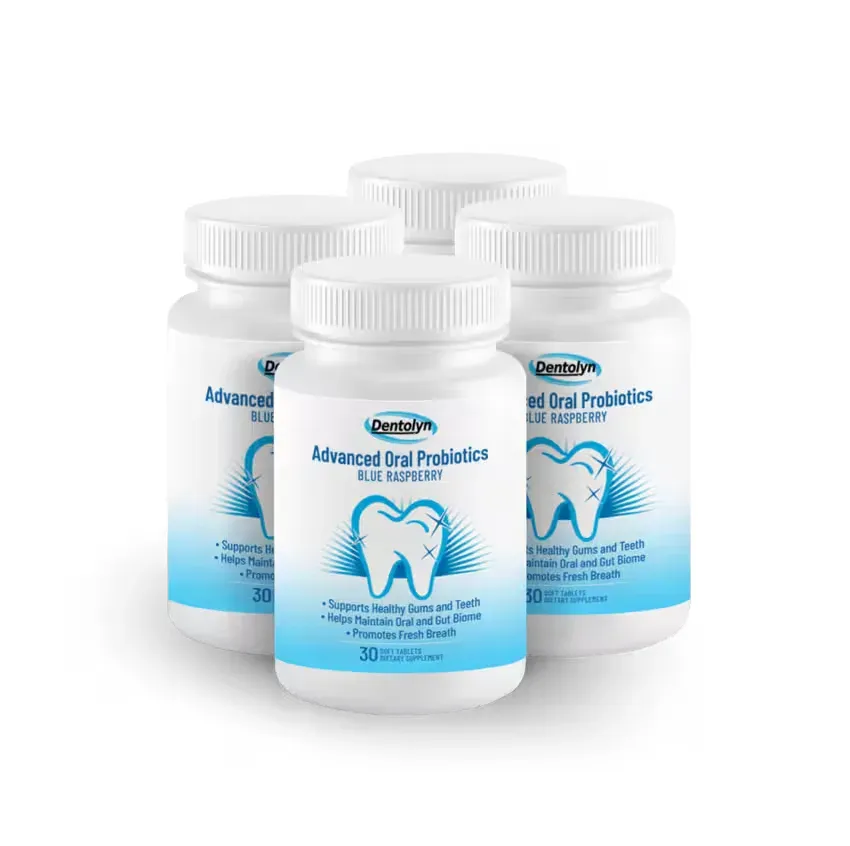
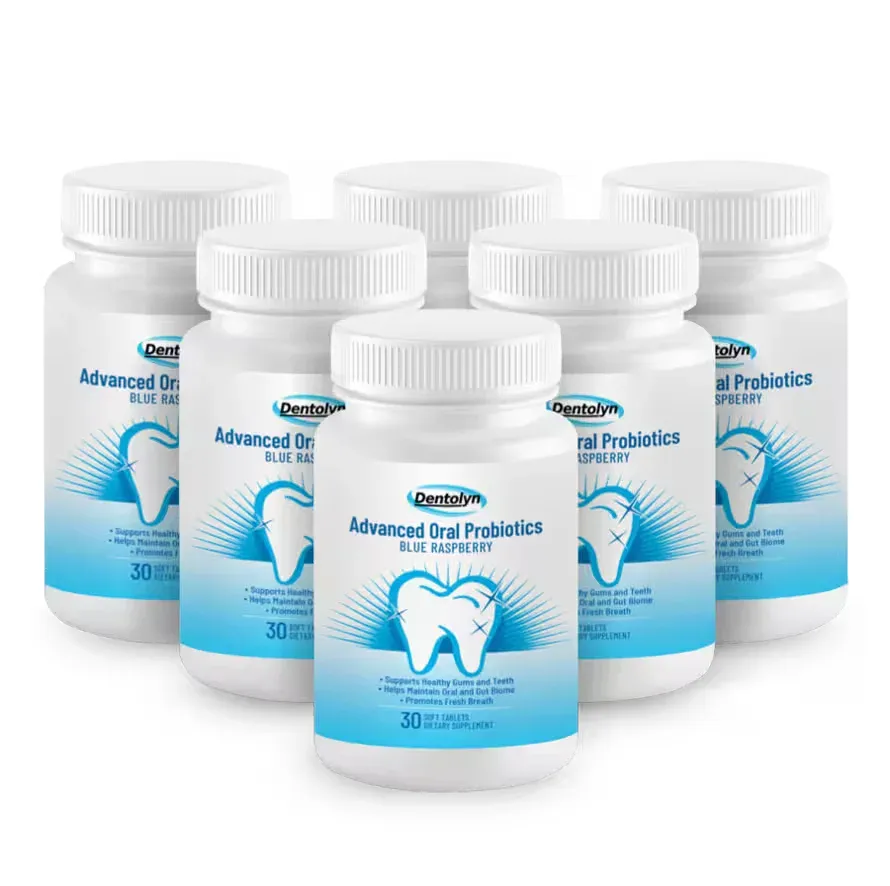
Dentolyn: A Natural Ally Against Stress-Related Oral Damage
While lifestyle changes are fundamental, sometimes your body needs extra support to counteract the cumulative effects of chronic stress on oral health. Dentolyn is formulated to provide targeted nutritional support, working in harmony with your body's natural defenses.
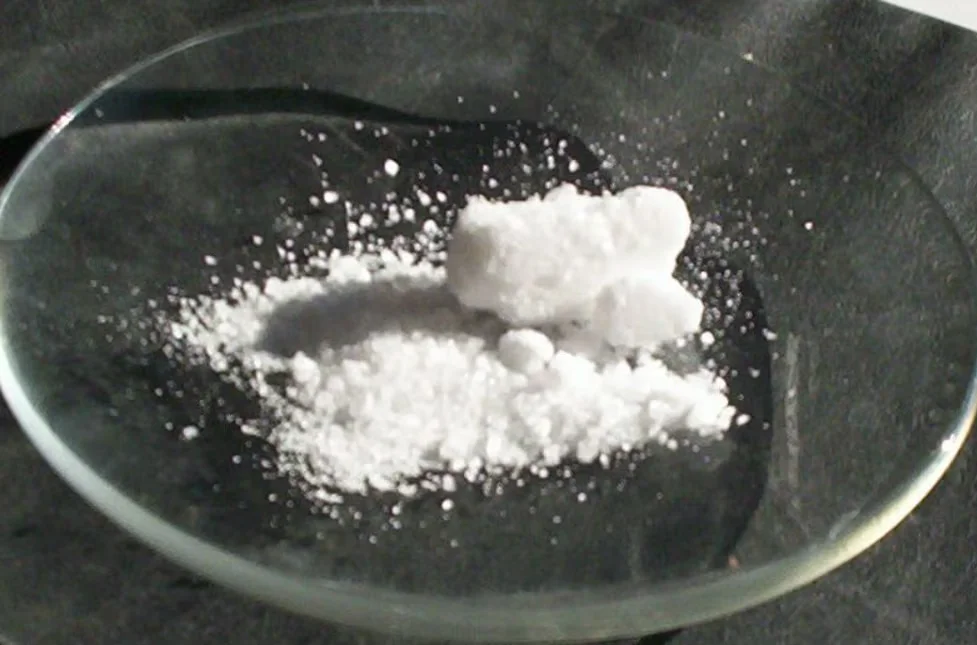
Iodine
Role: Essential for healthy thyroid function, which regulates metabolism and energy. A well-functioning thyroid contributes to overall systemic balance, crucial for stress management and immune response, indirectly supporting oral tissue health and resilience.
Optimal Daily Intake
Magnesium
Role: Known for its calming properties, Magnesium is vital for muscle relaxation and nervous system regulation. It helps reduce tension in jaw muscles, easing bruxism, and supports neurotransmitter function to alleviate anxiety and promote better sleep, crucial for oral recovery.
300-400mg Daily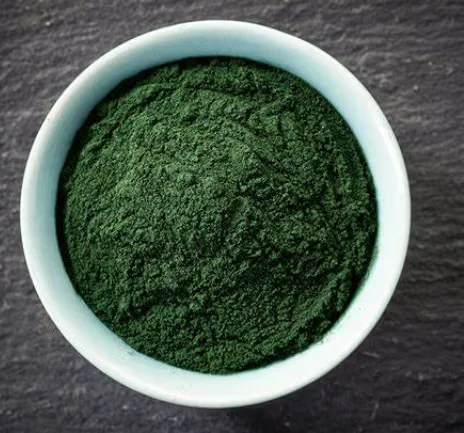
Proprietary Probiotic Blend
Role: A synergistic blend of beneficial bacteria designed to rebalance the gut microbiome. By improving gut health, it reduces systemic inflammation and supports a robust immune system, creating a healthier environment that extends to the oral cavity, helping to combat gum disease and maintain a balanced oral flora.
Billions of CFUsDentolyn combines these powerful ingredients to address the systemic impact of stress on your oral health, from supporting a balanced microbiome to calming the nervous system and strengthening your body's natural defenses. It's a comprehensive approach to protecting your smile from the inside out.
Reclaim Your Oral Health & Confidence with Dentolyn
Don't let the silent damage of stress and anxiety compromise your smile. Dentolyn offers a scientifically-backed, all-natural solution to support your oral health from within. Experience the difference a balanced body can make for your teeth and gums.
- ✓ Supports a Healthy Oral Microbiome
- ✓ Reduces Stress-Related Inflammation
- ✓ Strengthens Gums & Teeth
- ✓ Promotes Balanced Saliva Production
- ✓ Formulated with Natural, Potent Ingredients


What Our Customers Are Saying
"I never connected my constant stress to my persistent gum issues until I started using Dentolyn. The difference is remarkable! My gums feel healthier, and I even notice less jaw tension. It's truly a game-changer."
"As someone who grinds their teeth nightly due to anxiety, I've tried everything. Dentolyn has significantly reduced my bruxism symptoms and the associated morning headaches. My dentist even commented on the improvement in my enamel."
"My dry mouth from stress was making me miserable and causing frequent cavities. Since starting Dentolyn, my saliva flow has improved, and my mouth feels much cleaner and healthier. It's a relief to finally find something that addresses the root cause."
Frequently Asked Questions
How does stress lead to gum disease?
+Chronic stress triggers an inflammatory response throughout the body, including the gums. It also suppresses the immune system, making you more vulnerable to bacterial infections that cause gingivitis and periodontitis. Stress-related habits like poor oral hygiene or clenching can also exacerbate the problem.
Can anxiety cause bruxism (teeth grinding)?
+Yes, anxiety is a major contributor to bruxism, which is the involuntary grinding or clenching of teeth. This often occurs subconsciously during sleep but can also happen while awake. The tension from anxiety manifests in jaw muscles, leading to excessive force on teeth, causing wear, fractures, and jaw pain.
Why does stress cause dry mouth?
+When under stress, your body enters a 'fight or flight' response, which can divert resources away from non-essential functions like saliva production. Additionally, certain medications taken for anxiety or depression can have dry mouth as a side effect. Reduced saliva flow compromises the mouth's natural cleansing and protective mechanisms.
Are canker sores related to stress?
+While the exact cause of canker sores (aphthous ulcers) isn't fully understood, stress is a well-known trigger. Periods of high stress or anxiety can weaken the immune system, making the oral mucosa more susceptible to developing these painful sores. They often appear during times of emotional or physical strain.
How can I naturally support my oral health when stressed?
+Beyond regular brushing and flossing, focus on stress reduction techniques like meditation, yoga, or deep breathing. Maintain a balanced diet rich in vitamins and minerals, stay hydrated, and ensure adequate sleep. Supplements like Dentolyn, formulated with key nutrients, can also provide targeted support for oral and gut health, which are crucial during stressful periods.
Is Dentolyn safe for long-term use?
+Dentolyn is formulated with natural ingredients and designed for daily use to support overall oral and gut health. As with any supplement, it's recommended to consult with your healthcare provider before starting any new regimen, especially if you have existing health conditions or are taking other medications. Always follow the recommended dosage.
Related Articles
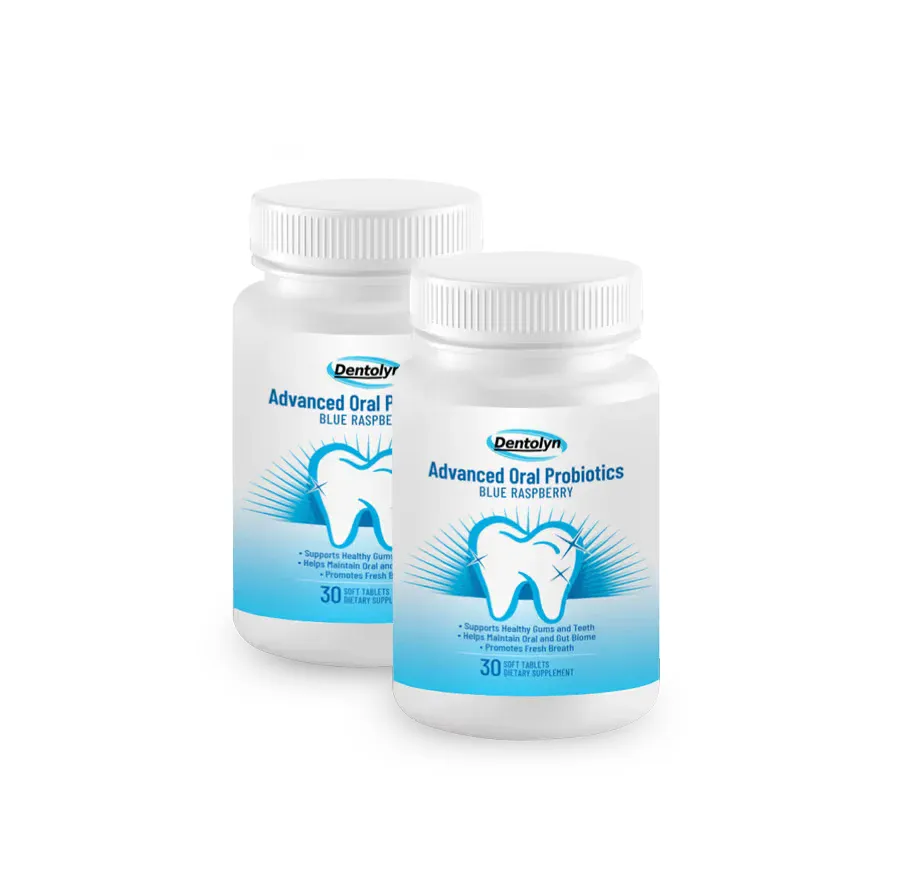
Final Verdict: Restore Your Oral Health with Dentolyn
Clinically studied natural ingredients for teeth, gum support, and oral wellness in 2026.